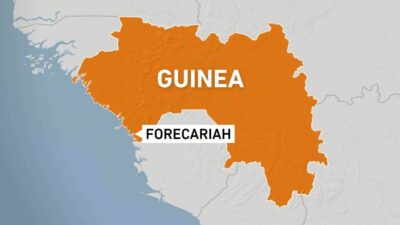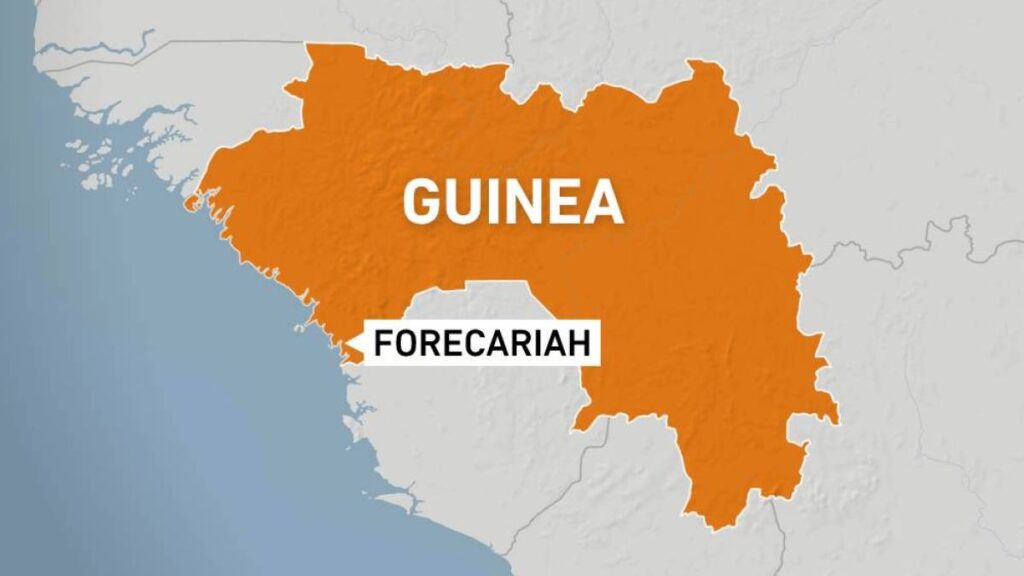
On August 24, in the Forecariah administrative prefecture of Guinea, six bodies were discovered under harrowing conditions, bound and blindfolded. This grim finding has sparked outrage and calls for justice from various African non-governmental organizations (NGOs), who are demanding a thorough probe into the circumstances surrounding the deaths.
The discovery of these bodies has raised significant concerns about human rights violations and the safety of civilians in the region. The NGOs have emphasized the need for an independent and transparent investigation to hold accountable those responsible for this atrocity. The exact events leading to the killings remain unclear, prompting fears about broader security and governance issues within Guinea.
Forecariah, traditionally a quiet area, has recently experienced heightened tensions, which have led to increased scrutiny by both local and international human rights groups. The NGOs have called on the Guinean government to collaborate closely with international bodies to ensure a full and impartial inquiry.
Local authorities have started preliminary investigations, but human rights organizations insist that international oversight might be necessary to avoid potential bias or cover-ups. Families of the deceased demand answers and justice as they grapple with the trauma of losing their loved ones in such a violent manner.
The incident highlights ongoing concerns across parts of Africa where political instability and conflict contribute to human rights abuses. NGOs have pointed out that such grave violations are symptom of deeper issues within state security apparatuses and underline the critical need for reforms.
Additionally, the African Union and regional bodies have been urged to intervene to support Guinea in stabilizing the situation and ensuring such incidents do not recur. The discovery also raises questions about the protection of citizens during times of unrest and the mechanisms for accountability.
This event underscores the vital role African NGOs play in monitoring human rights, advocating for victims, and pushing for transparency and justice in the continent. Their involvement is crucial in bringing national and international attention to these tragic occurrences and prompting effective action.
As investigations proceed, there is considerable international interest in seeing how Guinea addresses this challenge. The outcomes could have significant implications for human rights protections and the rule of law in Guinea and surrounding regions.
Ultimately, the demand for a thorough and independent probe represents a broader call for peace, justice, and respect for human dignity in Africa, emphasizing that no individual or group should be subjected to such violence without consequences.