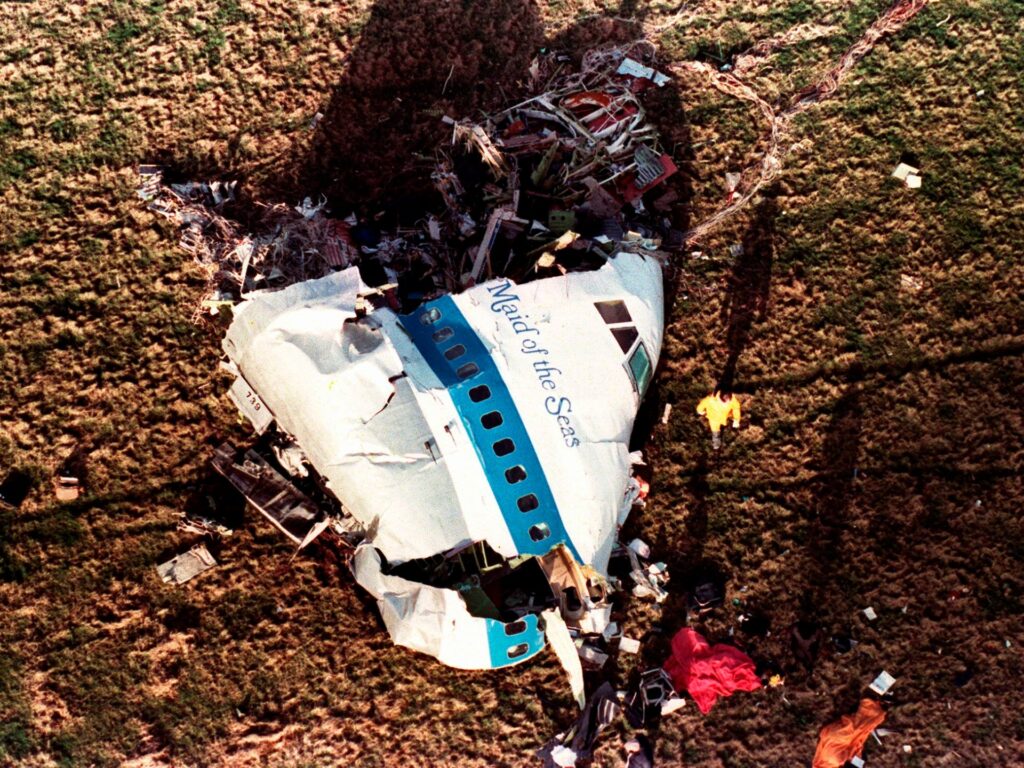
A pivotal US court hearing has been held for Abu Agila Mohammad Mas’ud Kheir Al-Marimi, the third suspect charged in the infamous bombing of Pan Am Flight 103, known as the Lockerbie bombing. The case revolves around the tragic attack in 1988 when the flight exploded over the town of Lockerbie, Scotland, killing all 259 people on board and 11 residents on the ground.
Al-Marimi joins the ranks of individuals accused of orchestrating this devastating act of terrorism. His presence in court marks a significant development in ongoing efforts to deliver justice for the victims and their families. The US, along with international partners, has been relentless in pursuit of accountability for the bombing, which remains one of the deadliest terrorist attacks involving civil aviation.
The hearing addressed the charges brought against Al-Marimi, examining evidence linking him to the plot and discussing the procedural matters related to his prosecution. Legal experts attending the hearing noted the complexity of the case, highlighting that decades-old evidence and intelligence have been reexamined to support the charges.
The downing of Pan Am Flight 103 has had a lasting impact on global aviation security protocols, leading to enhanced measures to prevent similar tragedies. The case also sheds light on the broader geopolitical tensions of the late 20th century, involving state-sponsored terrorism and international investigations.
Advocates for the victims express cautious optimism that holding all responsible parties accountable will bring closure and justice after more than 30 years since the attack. Meanwhile, the US court’s proceedings on Al-Marimi’s case are being closely watched by the international community.
The trial’s progress is expected to reinforce the message that acts of terrorism, regardless of when they occurred, will be pursued and prosecuted under the rule of law. Authorities continue to seek cooperation from other nations to secure evidence and testimonies that may aid in the prosecution.
As this legal process unfolds, the global community reflects on the importance of remembrance and resilience in the face of terror, emphasizing the commitment to justice and the prevention of future attacks. The case serves as a stark reminder of the tragic consequences of terrorism and the enduring quest for accountability and peace.