Nepal is currently grappling with devastating floods that have severely affected numerous regions across the country. The floods, which have been caused by unprecedented heavy rainfall and melting glaciers, have resulted in widespread damage to infrastructure, displacement of communities, and significant loss of life and property.
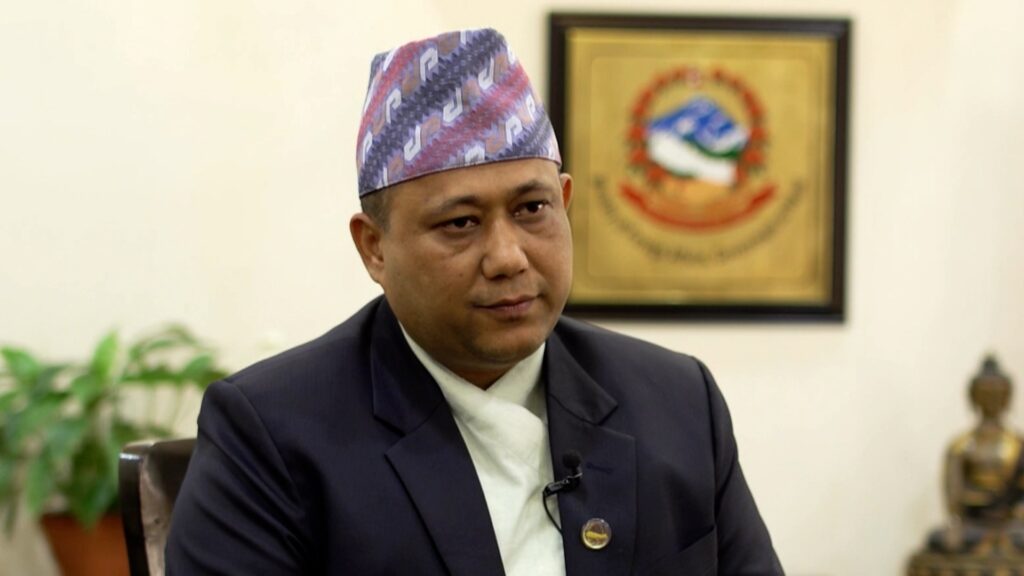
In an exclusive interview with Al Jazeera, the Finance Minister (FM) of Nepal discussed the severity of the situation and the government’s response to the natural disaster. The minister highlighted the urgent need for coordinated relief efforts and international assistance to support the affected population.
The Finance Minister emphasized that the floods have caused extensive damage to roads, bridges, and homes, cutting off access to many remote areas and making rescue operations challenging. The government is mobilizing resources to provide immediate relief, including food, clean water, medical supplies, and temporary shelter to displaced families.
Moreover, the minister pointed out that the economic impact of the floods is significant, affecting agriculture, trade, and local businesses. The destruction of crops and livestock jeopardizes food security and the livelihoods of thousands of farmers across Nepal.
Climate change was also mentioned as a critical factor exacerbating the frequency and intensity of such natural disasters. The Finance Minister called for enhanced climate resilience measures and investment in infrastructure designed to withstand extreme weather events.
International organizations and neighboring countries have expressed solidarity with Nepal, pledging aid and technical support to assist in recovery efforts. The minister expressed gratitude for this support and assured that all international assistance will be used effectively and transparently.
The interview concluded with a call for unity among the Nepalese people and the global community to address the immediate challenges posed by the floods and to work together toward sustainable development and disaster preparedness.
This devastating natural disaster underscores the urgent need for Nepal, and similarly vulnerable countries, to build stronger systems for disaster risk reduction and climate adaptation to mitigate future impacts and safeguard their populations.