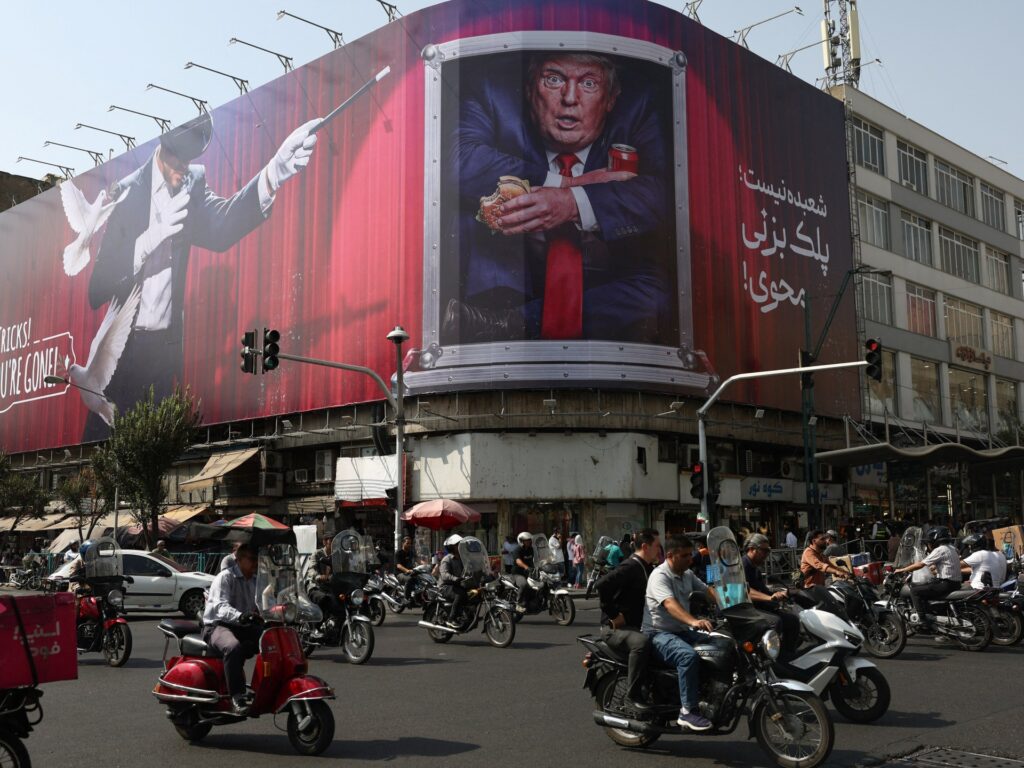
In a dramatic escalation of rhetoric, former U.S. President Donald Trump declared that Iran is “dead” and vowed to respond strongly following renewed clashes within the country. Trump, known for his hardline stance on Iran during his presidency, has once again made headlines with his forceful statements aimed at Tehran.
The renewed clashes, which have been marked by widespread protests and violent confrontations, have drawn international attention and concern. Trump condemned the Iranian leadership, calling for their prosecution over the killing of protesters, signaling a zero-tolerance approach toward the regime’s crackdown on dissent.
During a recent statement, Trump emphasized his commitment to taking decisive action against Iran, promising to hit the country in response to its aggressive behavior. This declaration follows a pattern of tough rhetoric and policy from the former president, who previously withdrew the U.S. from the Iran nuclear deal and imposed stringent sanctions.
Political analysts note that Trump’s remarks reflect ongoing tensions in the Middle East and the complex geopolitical landscape surrounding Iran’s role in regional conflicts. His call for prosecution of Iranian leaders highlights the growing international demand for accountability regarding human rights abuses during the protests.
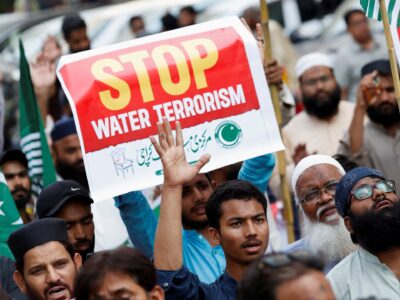
The clashes in Iran began as demonstrations over economic hardship and political repression but have since escalated into a broader confrontation with security forces. The government’s violent response, which has resulted in numerous casualties, has been widely condemned by human rights organizations worldwide.
In this context, Trump’s promise to respond militarily or with sanctions is likely to intensify existing hostilities and further complicate diplomatic efforts. Many experts caution that such aggressive posturing might escalate violence and undermine prospects for peaceful resolution.
Despite this, Trump’s supporters view his message as a strong stance that challenges Iran’s government and seeks justice for the Iranian people suffering under authoritarian rule. The former president’s renewed focus on Iran underscores the ongoing debate in U.S. politics about how to handle relations with the country.
As the situation in Iran develops, global leaders and organizations continue to call for restraint and dialogue. However, Trump’s remarks serve as a stark reminder of the fragile state of affairs and the potential for increased conflict in the region.
In summary, Trump’s remarks on Iran, labeling it ‘dead’ and vowing to respond after renewed clashes, mark a continuation of his confrontational approach toward Tehran. His condemnation of the Iranian leadership for the killing of protesters and his promise of retaliatory measures signal heightened tensions and uncertainty about the future trajectory of U.S.-Iran relations.