Wheat prices are soaring to unprecedented heights, driven by a confluence of geopolitical tensions and climactic challenges that are deeply affecting global supply chains. Central to this price surge is the ongoing conflict between Russia and Ukraine, two of the world’s largest wheat exporters. The escalation of attacks on grain terminals in the Black Sea—vital gateways for global wheat shipments—has intensified fears of disrupted exports, sending shockwaves through international markets.
The Black Sea region hosts some of the most critical grain export infrastructures, and its security is essential for maintaining steady agricultural trade flows. Russian and Ukrainian forces have increasingly targeted these terminals, raising concerns about logistical bottlenecks and the potential for extended interruptions to wheat deliveries worldwide.
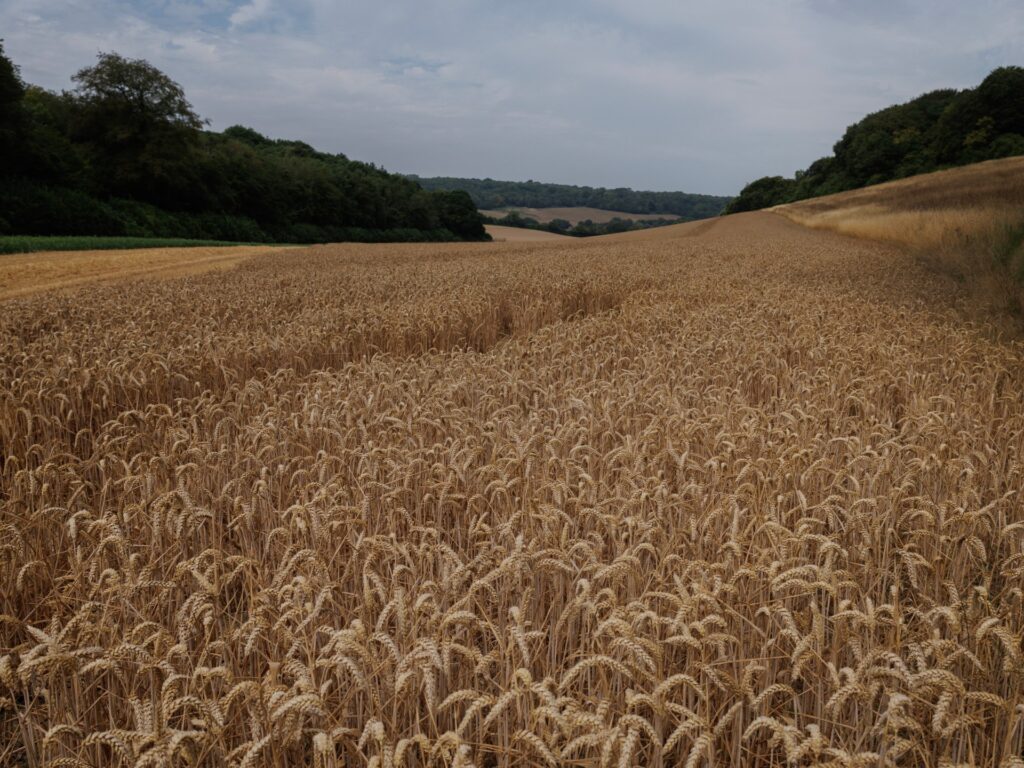
Beyond the war, another formidable factor driving wheat prices upward is extreme heat and adverse weather conditions. Heatwaves and droughts in major wheat-producing regions have reduced crop yields significantly. This climatic stress compounds the pressures already felt due to wartime damages, leading to a shrinking global wheat supply.
The repercussions for consumers and nations are profound. Countries heavily dependent on wheat imports face volatile prices and potential shortages, which can fuel food insecurity and economic instability, particularly in vulnerable regions.
The complexity of this crisis underscores the interconnectedness of global food systems with geopolitical stability and climate resilience. Efforts to safeguard grain shipments, ensure alternative supply routes, and mitigate the impacts of climate change are urgent. The international community must prioritize dialogue and cooperation to restore secure access to agricultural exports and develop sustainable farming practices.
In sum, the soaring wheat prices are the result of an unsettling mix of war-induced disruptions in the Black Sea and the relentless effects of extreme heat on crop production. Both factors have converged to threaten global food security and highlight the delicate balance underlying the world’s grain markets.