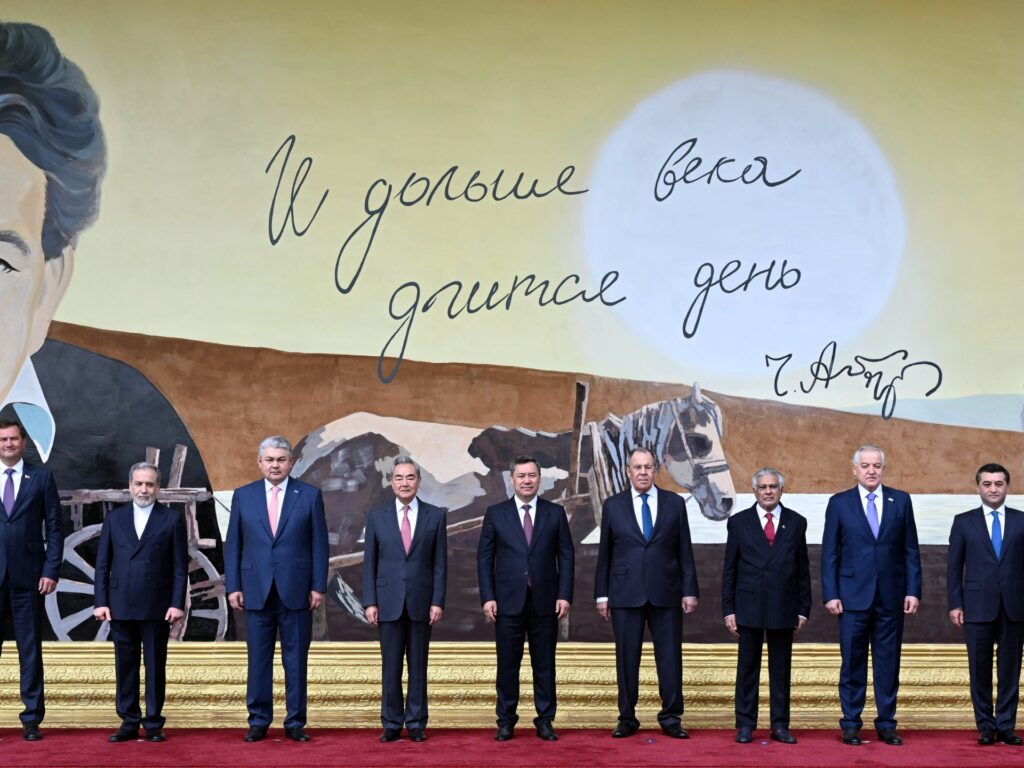
The recent Shanghai Cooperation Organization (SCO) summit, a significant two-day event, saw the gathering of influential leaders including China’s President Xi Jinping, India’s Prime Minister Narendra Modi, and Russia’s President Vladimir Putin. This summit holds considerable importance given the geopolitical climate marked by unilateral actions predominantly by the United States under President Trump’s administration. The overarching agenda of the summit was to advance the vision of a multipolar world order, wherein no single power dominates but rather multiple countries shape global dynamics collaboratively.
Key discussions focused on strengthening mutual trade ties among member states, promoting cooperation in economic, security, and cultural sectors, and enhancing regional stability. The SCO members, comprising some of the world’s largest and most populous countries, aim to balance global governance and provide alternatives to unilateralism. The summit highlighted the necessity to build robust partnerships that transcend traditional alliances and engage in multilateral efforts to address challenges including terrorism, economic disruptions, and political conflicts.
President Xi emphasized the importance of expanding infrastructure connectivity and economic corridors to boost trade facilitation within the SCO framework. Narendra Modi reiterated India’s commitment to fostering good neighborly relations and promoting inclusive development. President Putin underscored the need for collective security measures and combating extremism to safeguard regional peace.
The SCO’s push for greater economic integration involves enhancing trade agreements, investment flows, and technological cooperation among member states. This effort aligns with creating a more balanced global economic environment free from the uncertainties of protectionism and trade wars.
Furthermore, the summit witnessed discussions regarding energy collaboration, environmental sustainability, and cultural exchanges, underscoring the multifaceted approach of the SCO in addressing contemporary global challenges.
In conclusion, the SCO summit with the participation of Xi, Modi, and Putin highlights a critical geopolitical movement toward fostering cooperation, mutual respect, and shared growth among Eurasian powers. It reflects a strategic pivot to multipolarity where global governance is shaped by consensus and partnership rather than unilateral dictates, setting a significant precedent for future international relations.