Spain’s Prime Minister Pedro Sanchez has publicly accused Russia and Israel of spreading disinformation amid the recent crisis in Ceuta. According to Sanchez, the European Union conducted research and found evidence of disinformation campaigns originating from both countries during the incident, contributing to misinformation and confusion.
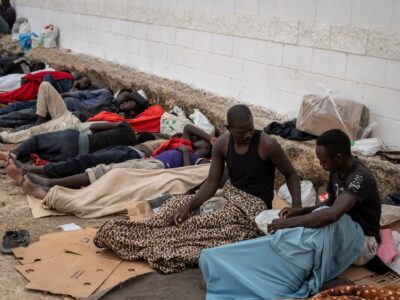
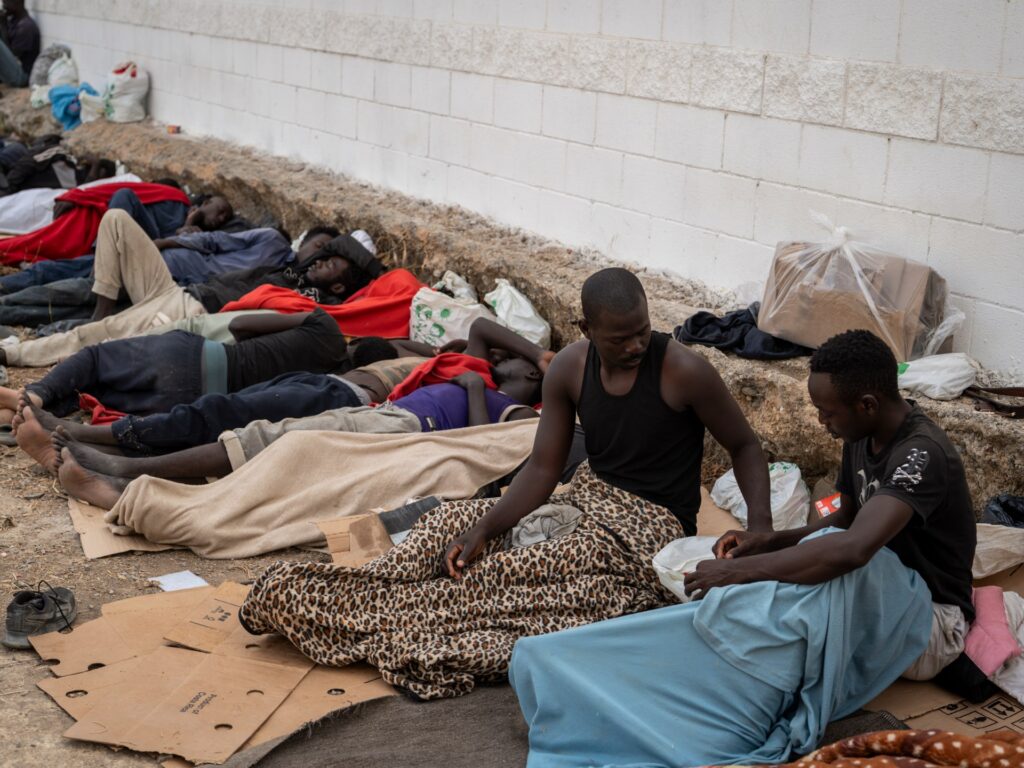
The Ceuta crisis, which involved a sudden influx of migrants and heightened tensions at Spain’s northern African enclave bordering Morocco, sparked significant political and social reactions both within Spain and across Europe. The Spanish government emphasized the need for accurate information and called on all parties to avoid actions that could escalate tensions.
Prime Minister Sanchez’s allegations highlight the growing concern over the use of disinformation as a tool for geopolitical influence in sensitive regional conflicts. The EU’s research, which Sanchez referenced, reportedly identified coordinated efforts by Russia and Israel to disseminate misleading information, aiming to shape public opinion and political narratives surrounding the crisis.
Disinformation campaigns have become a critical challenge for governments worldwide, especially in situations involving migration, international borders, and bilateral relations. The accusation against Russia and Israel reflects broader geopolitical rivalries, as both nations have been implicated in similar tactics in other contexts.
Spain urged the EU and its member states to strengthen mechanisms to detect and counteract such disinformation efforts promptly. The Spanish government is also working to enhance collaboration among intelligence and security agencies to safeguard the integrity of information related to national security and public order.
The Ceuta crisis itself remains a sensitive topic, with complex underlying causes including migration pressures, diplomatic friction with Morocco, and socio-economic factors. Sanchez’s statement underscores the multifaceted nature of the challenge—combating not only the physical aspects of the crisis but also the informational threats posed by external actors.
This development comes at a time when the EU is intensifying efforts to combat foreign interference in its internal affairs, including election meddling and propaganda campaigns. It also coincides with increased scrutiny of the geopolitical strategies employed by Russia and Israel, particularly in regions critical to European stability.
The Spanish government’s move to publicly name Russia and Israel represents a firm stance against misinformation and a call for greater transparency and accountability in international relations. The situation continues to evolve, with Spain and the EU likely to monitor and respond to further disinformation activities related to the Ceuta crisis and other sensitive issues.