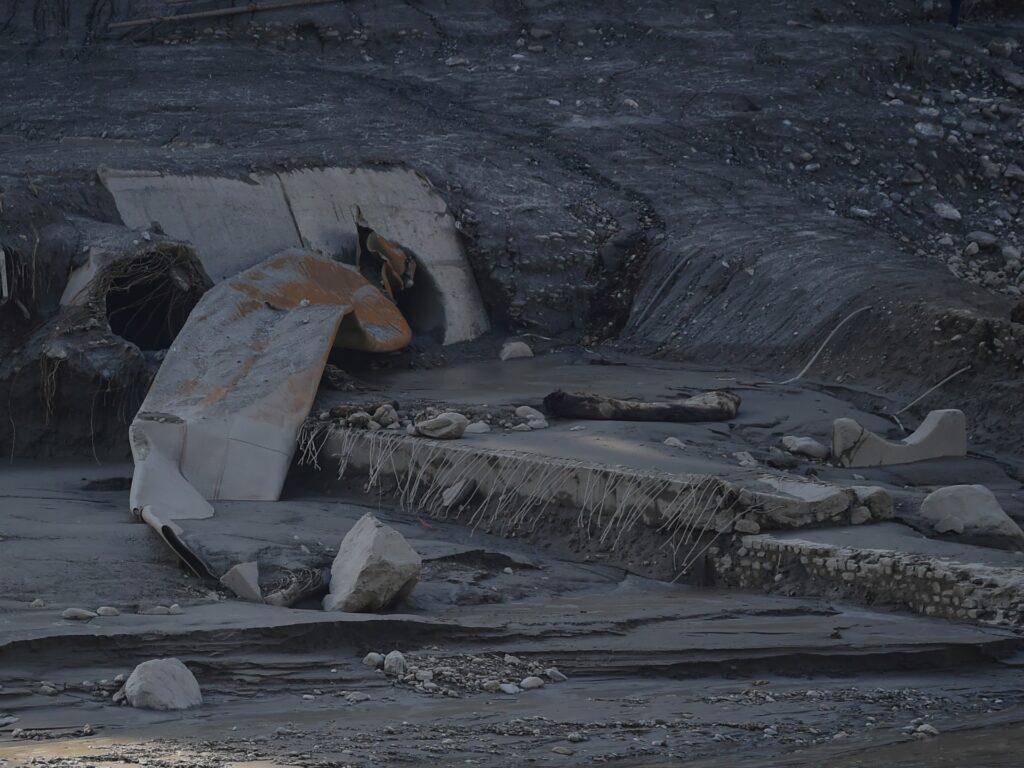
Intense flash floods along the Nepal-Tibet border have caused catastrophic damage and left nearly 5,000 people missing, many of whom are believed to be trapped inside hydropower tunnels.
The sudden deluge occurred after heavy rainfall triggered massive flooding, sweeping away entire villages and sweeping people into hazardous areas, including hydroelectric tunnel systems. These tunnels, primarily constructed for hydropower projects, have become dangerous trapping zones making rescue operations significantly difficult.
Local authorities, along with emergency responders, have been working tirelessly to reach those stranded inside the tunnels, but the conditions are perilous. Rescue teams face challenges such as unstable debris, strong currents, and limited access points which slow down efforts and put the lives of rescuers at risk.
As of now, the death toll is still being assessed, but officials have confirmed that hundreds have lost their lives. With close to 5,000 individuals reported missing, the scale of this tragedy is immense, and the immediate priority remains searching for survivors and providing aid to affected families.
Hydropower tunnels, designed for electricity generation and water diversion, were not built to withstand sudden, large-scale flooding, contributing to the complexity of the rescue missions. The floodwaters have caused partial collapses and quick flooding inside tunnel networks, complicating evacuation.
Government agencies, the army, and rescue organizations are deploying specialized teams using advanced technology such as sonar devices and drones to map inaccessible tunnel areas. Despite these efforts, the reduced visibility underwater and unstable tunnel structures pose ongoing risks.
Communities along the Nepal-Tibet border are grappling with the aftermath, including displacement, loss of homes, and disruption of essential services. Humanitarian aid is being mobilized to provide food, shelter, and medical care.
Experts warn that with climate change causing more unpredictable weather patterns, such flash floods may become more frequent, underscoring the need for better disaster preparedness and infrastructure resilience.
International organizations have expressed their support, pledging assistance to Nepal in rescue operations and relief efforts. Coordinated efforts are underway to manage resources and optimize rescue coordination.
Authorities urge residents in vulnerable areas to stay alert and heed evacuation orders to minimize further casualties. The Nepal government has promised a thorough investigation into infrastructure safety in the flood-prone region to prevent similar tragedies in the future.
In summary, the Nepal-Tibet border flash floods represent a severe humanitarian disaster, with thousands missing and hundreds dead, complicated further by the dangerous conditions inside hydropower tunnels. Rescue operations continue amid challenging environments to save lives and bring relief to survivors.