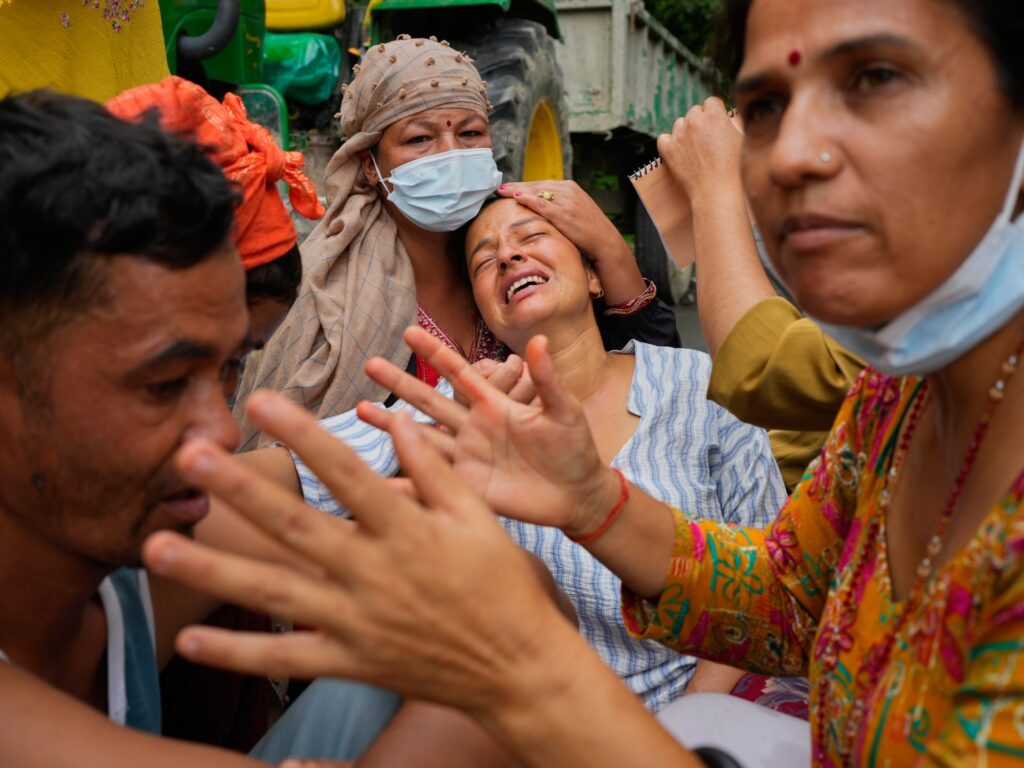
Nepal is currently grappling with one of its deadliest natural disasters in recent history, as catastrophic floods have caused the death toll to soar past 900. The disaster has plunged the country into a state of emergency, with rescue teams racing against time to save those trapped and affected by the relentless flooding. Authorities have confirmed that the focus of rescue efforts is now centered on workers stranded in tunnels of a hydropower project situated in the worst-hit flood regions.
The devastating floods crept up rapidly, a result of heavy monsoon rains that swelled rivers beyond their banks, triggering landslides and widespread destruction. Entire villages have been submerged, roads washed away, and critical infrastructure has been compromised, complicating rescue operations.
Among the most urgent situations are workers caught in hydropower project tunnels. These tunnels have been flooded due to sudden water surges, leaving personnel isolated deep underground. Emergency responders are employing specialized equipment and tactics to reach the trapped workers, who are in immediate need of life-saving assistance.
Government officials are working closely with local authorities, the military, and international aid organizations to coordinate rescue and relief efforts. Helicopters, boats, and heavy machinery have been deployed to navigate the treacherous terrain and to airlift stranded individuals to safety.
The flood disaster has underscored Nepal’s vulnerability to climate-induced natural calamities, prompting calls for improved disaster preparedness and infrastructure resilience. The hydropower sector, which is vital to Nepal’s economy, has suffered significant damage, raising concerns about energy shortages in the future.
In response to the crisis, emergency shelters have been set up to accommodate displaced families, and medical teams are providing urgent care to the injured. The government has also issued warnings to populations living near vulnerable riverbanks and steep hillsides, urging evacuations and caution.
Rescue workers continue their painstaking efforts amid ongoing rains, facing severe challenges such as blocked roads, unstable ground, and the risk of further landslides. Local communities have shown resilience and solidarity, with volunteers aiding in relief distribution and support.
The international community has expressed solidarity with Nepal, with several countries pledging aid and assistance. Experts emphasize the importance of long-term strategies focusing on sustainable development, climate adaptation, and enhanced early warning systems to mitigate the effects of such disasters in the future.
As Nepal struggles to recover from this calamity, the primary concern remains the safe rescue of trapped workers and providing immediate relief to affected populations. The government and aid agencies continue to mobilize resources and strategize for the weeks ahead, aiming to restore normalcy and support the nation’s resilient spirit in the face of adversity.