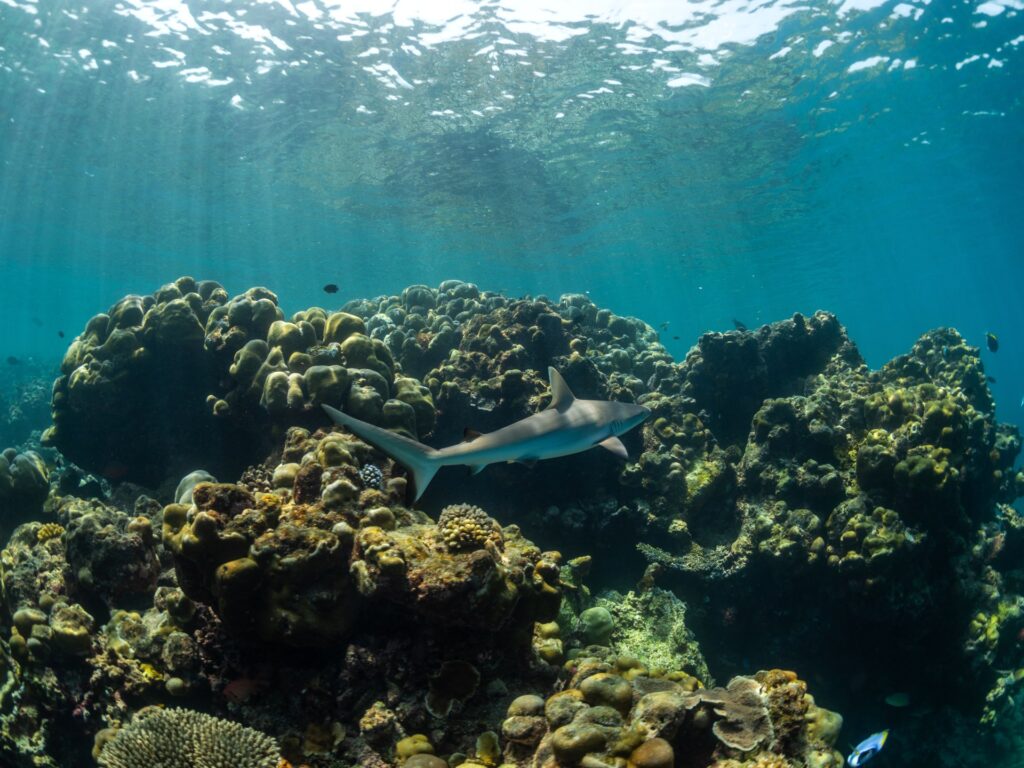
A new report has sounded the alarm on the global state of coral reefs, emphasizing a looming risk of irreversible decline in their coverage. Although coral reefs cover only about 1 percent of the ocean floor, they are home to roughly a quarter of all marine life, making them vital to ocean biodiversity and ecosystem health.
The report highlights how this small but incredibly important habitat supports species diversity, providing shelter, food, and breeding grounds for countless organisms. Coral reefs also contribute to coastal protection and support the fishing industries and tourism sectors crucial to many economies worldwide.
However, the report warns that coral reefs are under intense pressure from multiple threats. Climate change, driving ocean warming and acidification, has led to widespread coral bleaching events that compromise reef resilience. Additionally, pollution, overfishing, destructive fishing practices, and coastal development further stress coral ecosystems.
Experts caution that if current trends continue, the degradation of coral reefs may reach a tipping point beyond which recovery would be impossible. This potential irreversible loss would have devastating effects on marine biodiversity, food security, and livelihoods dependent on reef ecosystems.
The report calls for urgent global action to mitigate climate change impacts and implement sustainable practices to protect and restore coral reefs. It emphasizes the necessity of reducing greenhouse gas emissions, improving waste management, regulating fisheries, and establishing marine protected areas.
Increased funding for coral research and restoration projects is also deemed critical. These efforts include coral gardening, assisted evolution of more resilient species, and improving reef monitoring technologies.
Preserving coral reefs is not only an environmental priority but also essential to maintaining the cultural and economic benefits they provide to human communities around the world. The report serves as a stark reminder that saving coral reefs requires immediate and coordinated global efforts to ensure their survival for future generations.