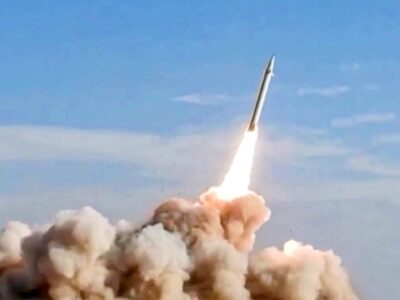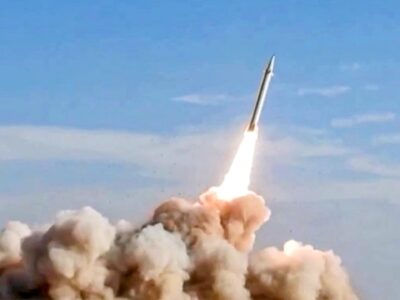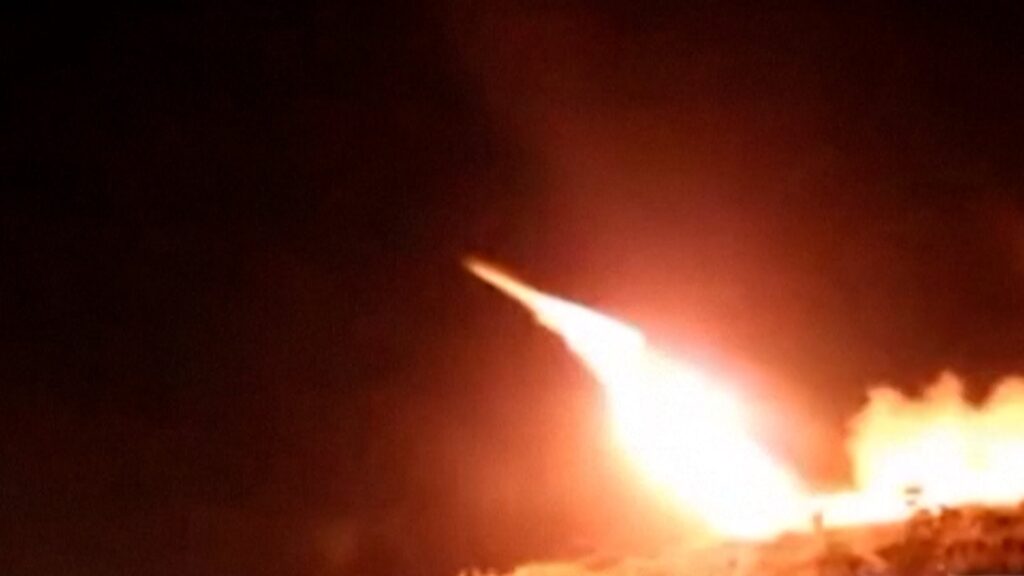
In a significant escalation in the Middle East, the United States recently launched its first military strikes on Iran in a month. The US targeted strategic sites on Larak Island, a key area for Iranian military operations. This attack marks a notable intensification in the ongoing tensions between the two nations.
Following the US strikes, Iran retaliated by targeting bases in Jordan, signaling a widening of the conflict and direct engagement with regional actors allied with the US. This move by Iran could potentially destabilize the already fragile security situation in the Middle East and complicate diplomatic efforts aimed at de-escalation.
The US attack on Larak Island appears to have been a calculated effort to disrupt Iranian operations without provoking a full-scale war. The island is known for its strategic importance, hosting military infrastructure that the US perceives as a threat to its interests and allies in the region.
Iran’s response targeting Jordanian bases underscores the broader geopolitical implications of the conflict. Jordan, a key US ally, has often found itself caught between the pressures of regional rivalries. The attacks on its bases suggest Iran’s intent to exert influence and respond forcefully to US actions.
Regional experts warn that this cycle of attacks and counterattacks could escalate further if diplomatic channels do not quickly intervene. The risk of miscalculations leading to wider conflict remains high, especially given the involvement of multiple regional and international players.
The international community has expressed concern over the developments. Calls for restraint and dialogue have been issued by various countries and organizations, emphasizing the need to avoid a broader confrontation that could affect global security and economic stability.
This recent escalation also highlights the persistent volatility in US-Iran relations, which have been marked by sanctions, proxy conflicts, and intermittent military engagements. The strike on Larak Island and the subsequent Iranian retaliation represent the latest chapter in a complex and long-standing rivalry.
Observers note that both nations might be testing each other’s resolve and capabilities while trying to avoid a direct war. However, the involvement of Jordan could potentially expand the conflict, drawing in other regional actors and complicating peace efforts.
As the situation develops, analysts suggest that the next steps taken by the US, Iran, and their allies will be crucial in determining whether the region moves towards further violence or a diplomatic resolution.
In summary, the recent US attack on Iranian sites on Larak Island and Iran’s retaliatory strikes on Jordanian bases have escalated tensions in the Middle East. This development not only impacts the immediate parties involved but also poses a broader threat to regional and international stability.