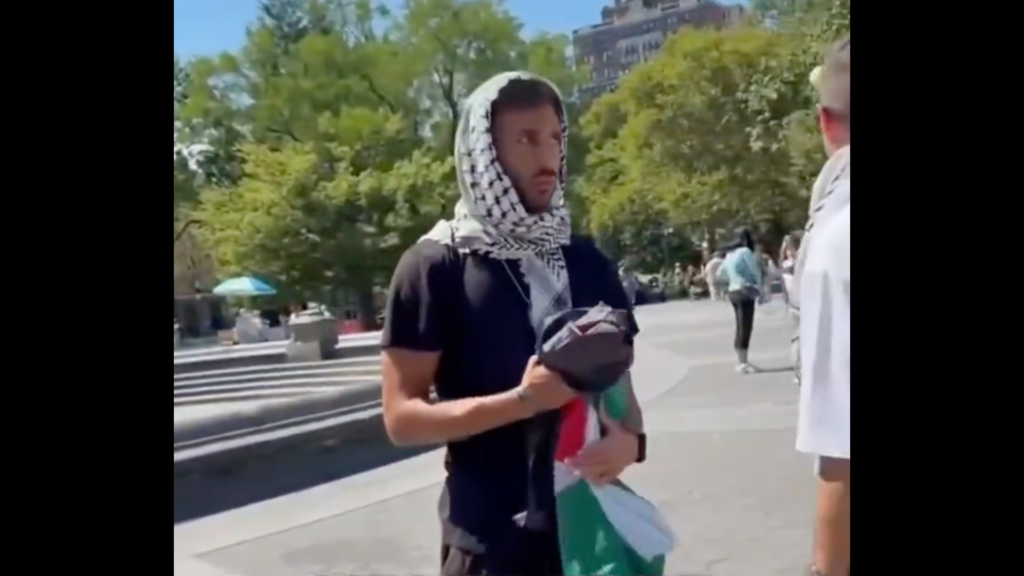
In a recent and controversial turn of events, former Israeli soldiers were reported to have posed as pro-Palestinian supporters in New York City. The operation involved these ex-soldiers disguising themselves as activists to deceive people into engaging with them under false pretenses. This revelation has sparked widespread debate over the ethics and motivations behind such actions.
According to sources, the former soldiers adopted the appearance and rhetoric typical of pro-Palestinian demonstrators to interact with unsuspecting individuals. The goal was reportedly to gather intelligence, influence public opinion, or disrupt genuine pro-Palestinian activities through infiltration.
The incident took place in several public locations within New York City, a hub for various political and social movements. The former soldiers reportedly engaged in conversations, attended rallies, and participated in community discussions, all while concealing their true identities.
Critics have condemned this tactic as deceptive and manipulative, arguing that it undermines trust and stifles authentic dialogue about the Israeli-Palestinian conflict. Supporters, however, claim it was a strategic move intended to protect Israeli interests and gather critical information on opposing groups.
Human rights organizations and activist groups have called for transparency and accountability, urging authorities to investigate these covert activities. They emphasize the importance of honest activism and the right to peaceful protest without fear of infiltration or espionage.
The former Israeli soldiers involved have not publicly commented on their actions, but the incident has drawn attention to broader issues regarding espionage, activism, and the dynamics of the Israeli-Palestinian conflict as it plays out internationally.
This episode underscores the complexities and tensions surrounding public demonstrations, especially those related to deeply contentious geopolitical issues. It raises questions about the lengths to which parties will go in order to influence narratives and the impact such actions have on public perception and trust in activist movements.
As investigations continue, the incident serves as a reminder of the intricate interplay between politics, identity, and activism in modern society. It also highlights the need for vigilance and critical examination of the information and individuals involved in political advocacy.