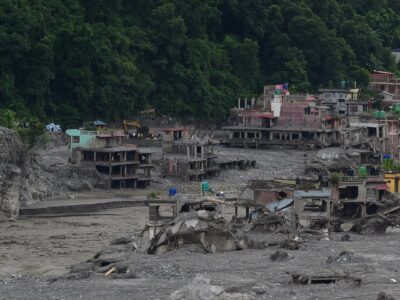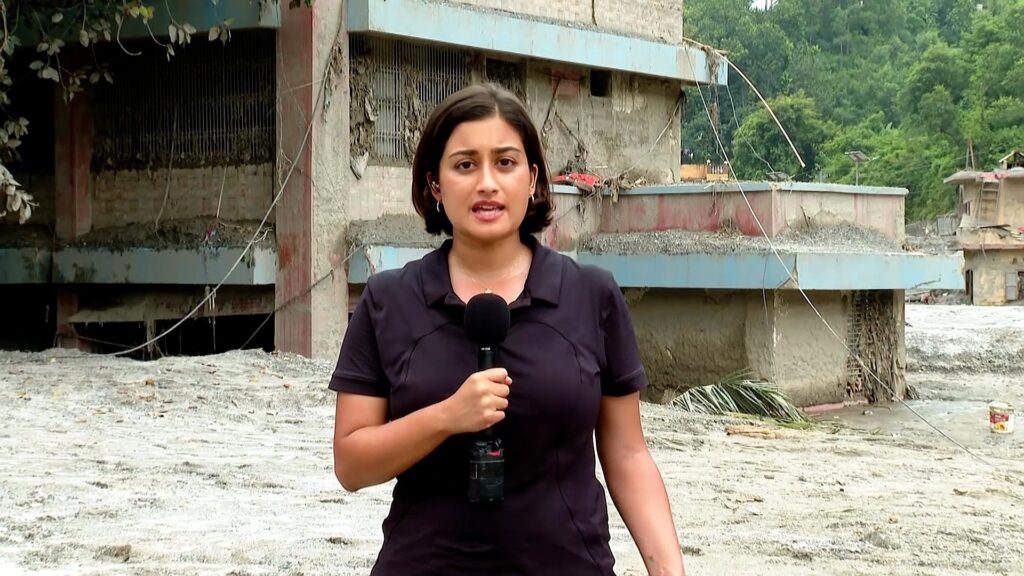
Heavy flooding in Nepal’s Dhading district has left residents devastated, with fears escalating that many more victims may still be trapped beneath layers of thick mud. The flooding, triggered by intense monsoon rains, caused massive landslides and mudslides, sweeping away homes, infrastructure, and entire communities. Local residents have expressed grave concerns that numerous bodies remain buried, making rescue and recovery operations urgent and challenging.
Dhading, a mountainous district in central Nepal, is known for its rough terrain which complicates access and response efforts during natural disasters. The recent floods, some of the worst in recent years, were exacerbated by environmental degradation and deforestation, which reduced the land’s ability to absorb heavy rain.
Witnesses from affected areas report seeing villages completely submerged or buried under mud and debris. Rescue teams, including army personnel and volunteers, are racing against time to find survivors and recover bodies. However, unstable terrain and continuing rains hamper these efforts.
Local authorities have been coordinating with national disaster response teams to bring relief supplies such as food, water, and medicine to the impacted population. Temporary shelters have been established, but the displacements are extensive, with many families left without homes or basic necessities.
The psychological toll on survivors is immense, as many residents are uncertain about the fate of their loved ones. Community leaders and international aid organizations are providing counseling and support services to help cope with the trauma.
The Nepalese government has called for international assistance to facilitate search and rescue, medical aid, and long-term recovery efforts. Experts emphasize the need for improved disaster preparedness and environmental management to mitigate future risks.
Environmentalists warn that recurring floods and landslides could become more frequent due to climate change, urging sustainable development and conservation measures.
In the meantime, the sorrowful communities of Dhading remain vigilant, praying for the safe recovery of missing persons and the strength to rebuild their lives amid adversity. The tragedy underscores not only the human cost of natural disasters but also the importance of global solidarity and resilience in disaster-prone regions.