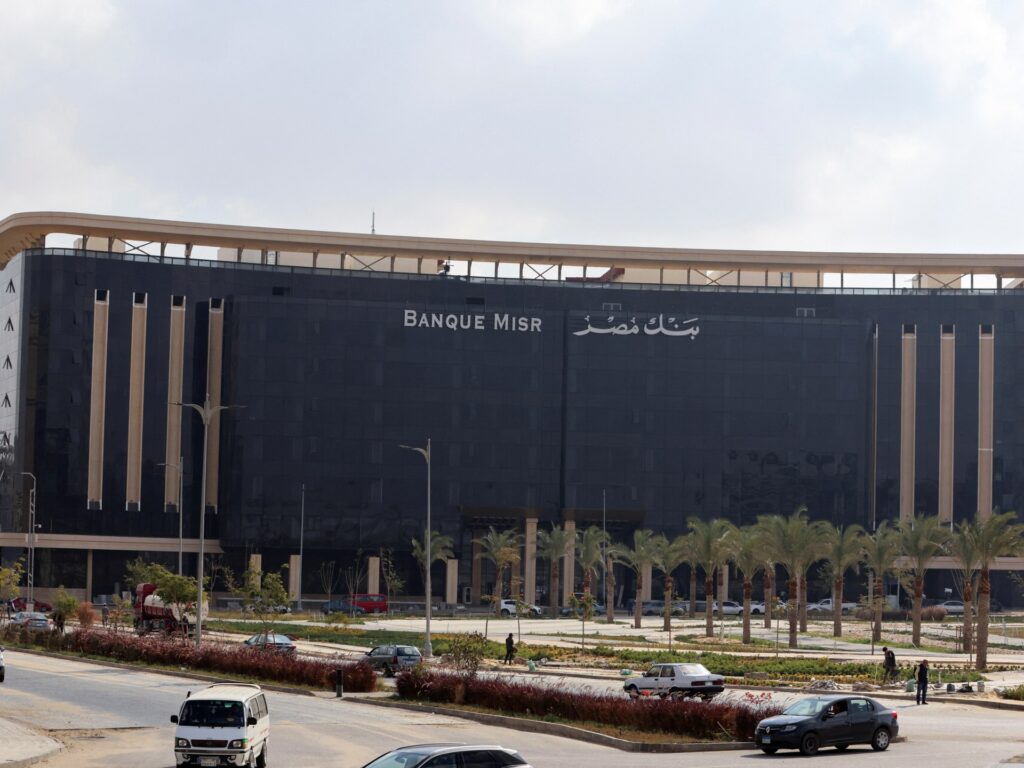
In a significant development in international finance and geopolitics, Banque Misr, Egypt’s second-largest bank, has been targeted with sanctions by the United States. This move reflects increased economic pressure measures by Washington as it seeks to influence the ongoing truce negotiations involving Iran, which have reached an impasse.
Banque Misr plays a pivotal role in Egypt’s banking sector, serving millions of customers both domestically and internationally. The impact of the US sanctions is therefore expected to have broad ramifications not only for the bank itself but also for Egypt’s economy and regional financial stability.
The imposition of these sanctions marks a strategic step by the United States to intensify its economic leverage on Iran by targeting entities linked directly or indirectly with Iranian financial operations. Although Banque Misr is primarily an Egyptian institution, its ties and transactions that intersect with sanctioned Iranian interests have drawn Washington’s attention.
Washington’s sanction package against Banque Misr includes restrictions that may limit the bank’s access to US financial networks and complicate its international banking operations. This could result in difficulties for the bank in processing international transactions, thereby impacting its overseas business and client services.
The sanctions come amid stalled truce talks concerning Iran’s geopolitical activities, notably in the Middle East region. The deadlock has amplified US efforts to employ economic tools to exert pressure and encourage a diplomatic resolution.
Experts note that while the sanctions aim to curb Iran’s regional influence by cutting financial flows, they simultaneously pose challenges for countries like Egypt, which maintains economic and diplomatic balancing acts in a complex international environment.
The Egyptian government has yet to issue a formal response to the sanctions but is expected to engage in diplomatic discussions to mitigate the economic repercussions. The situation also ushers in a period of heightened uncertainty for investors and international partners affiliated with Banque Misr.
Industry analysts suggest that the sanctions could prompt Banque Misr to seek alternative international partnerships and financial strategies to offset the restrictions and maintain its role as a key player in Egypt’s banking sector.
The broader context of this development highlights the fragile interplay between geopolitics and global finance, where economic measures are increasingly utilized as tools of foreign policy.
Stakeholders in Egypt and the wider Middle East are closely monitoring the situation as it unfolds, given its potential to reshape economic relations and impact regional stability.
In summary, the US sanctions on Banque Misr underscore the escalating economic strategies in the US’s foreign policy framework, particularly regarding Iran, while posing new challenges for banks operating in interconnected global financial systems. The coming weeks are critical for assessing the full impact of this move on Egypt’s economy and the broader regional dynamics.