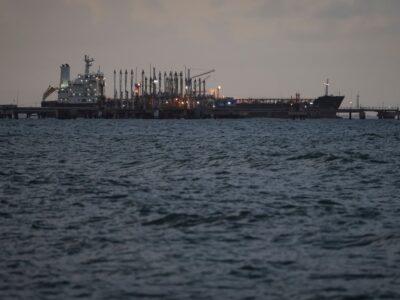
In the latest developments of the ongoing conflict involving Iran, the Islamic Revolutionary Guard Corps (IRGC) has asserted decisive control over the strategic Strait of Hormuz. This crucial waterway, a vital artery for global oil shipments, has become the focal point of heightened military activity and geopolitical tension.
The IRGC’s announcement comes amid intensified confrontations in the region, where Iran aims to strengthen its influence and leverage in the face of escalating pressures. The Strait of Hormuz, which connects the Persian Gulf with the Gulf of Oman and the Arabian Sea, is globally recognized as one of the most important chokepoints for the oil supply chain, with nearly a fifth of the world’s petroleum passing through it daily.
According to statements from the Iranian military, their forces have established what they describe as “decisive control” over the strait. This claim underscores Iran’s intent to assert dominance and potentially restrict maritime traffic under certain conditions, affecting international trade and energy markets.
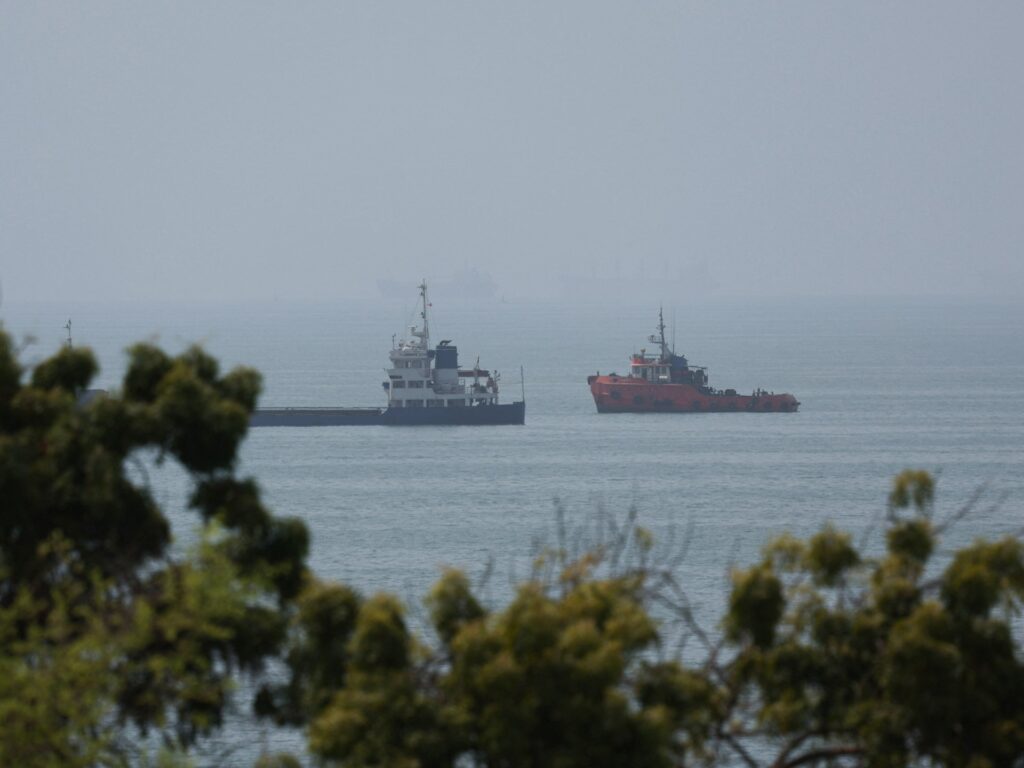
In contrast, the United States has maintained a robust naval presence in the region, enforcing a blockade aimed at curbing Iran’s ability to project power and influence over the maritime route. The US Navy’s operations include monitoring vessels, conducting patrols, and preventing any unauthorized passage that could threaten the security interests of the US and its regional allies.
This standoff represents a significant escalation in the ongoing struggle for control and security in the Persian Gulf region. The US blockade aims to restrict Iran’s military and economic capabilities by limiting the movement of its ships and the export of goods, particularly oil, which is a vital revenue source for the Iranian government.
The international community watches closely as these developments unfold, with concerns mounting over potential disruption to global oil supplies and the risk of broader conflict. The strategic importance of the Strait of Hormuz cannot be overstated, as any disruption could cause dramatic fluctuations in global energy prices and impact economies worldwide.
Diplomatic efforts to de-escalate tensions have been ongoing, involving multiple stakeholders seeking peaceful solutions to avoid open conflict. However, the IRGC’s declaration and the US enforcement measures illustrate the complexities in achieving a breakthrough amid deep-seated mistrust and conflicting strategic interests.
Regional allies of both Iran and the United States are also responding to the crisis, with some expressing support for Iran’s sovereignty claims, while others advocate for the continuation of free navigation through the Strait.
The situation remains fluid, with the potential for rapid changes depending on strategic decisions by both Iran and the US, as well as reactions from other global powers. The Strait of Hormuz’s security dynamics are now a key indicator of the broader geopolitical landscape in the Middle East.
Observers highlight the critical need for dialogue and the establishment of mechanisms to manage and resolve disputes over the strait to prevent escalation into open warfare.
In summary, the IRGC’s claim of control over the Strait of Hormuz amidst the US’s continued naval blockade marks a pivotal moment in regional power struggles, carrying significant implications for international security, global trade, and energy markets. The coming days and weeks will be crucial in determining whether diplomatic efforts can succeed or if the confrontation will intensify further.