In a significant move underscoring the growing concerns over the status of Jerusalem’s sacred landmarks, top Arab and Muslim diplomats have launched a decisive plan aimed at protecting the city’s Christian and Islamic holy sites. This development comes amid rising tensions and what officials describe as unprecedented threats posed by Israeli policies and actions.
The announcement was made during a recent assembly of foreign ministers from key Arab and Muslim countries, who collectively voiced alarm over the deteriorating conditions surrounding these religious landmarks. They emphasized the importance of safeguarding places of worship that hold immense spiritual and historical significance for millions of believers worldwide.
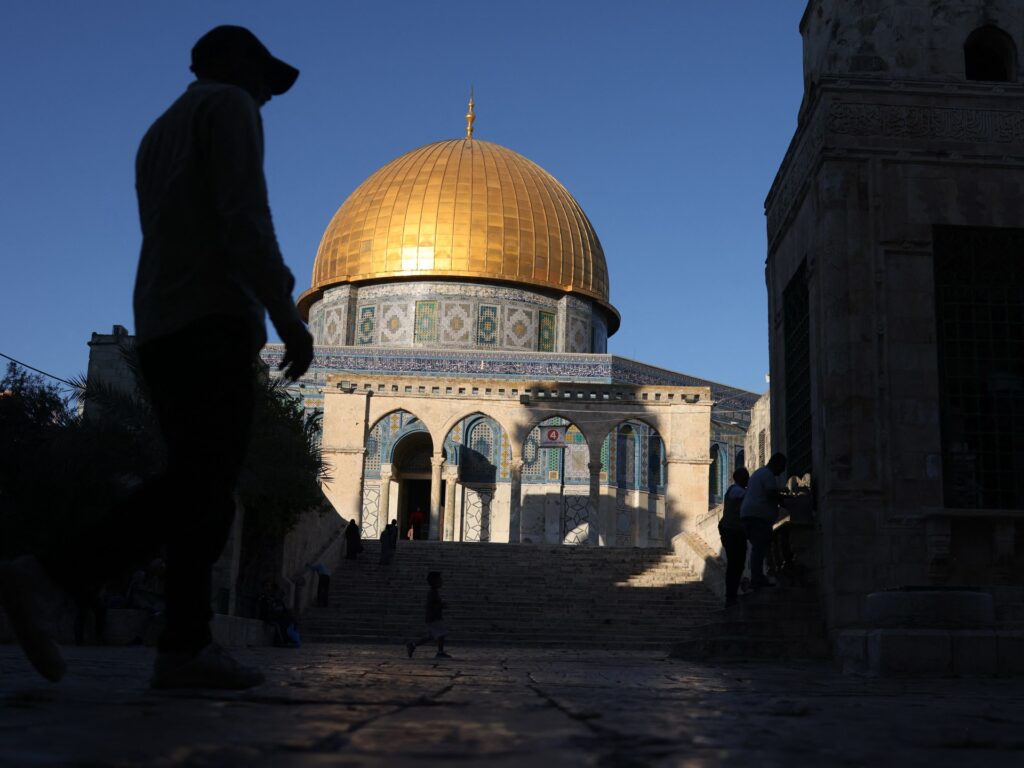
Jerusalem, a city revered by Jews, Christians, and Muslims alike, has long been a focal point of religious and political conflict. The contested holy sites, including Al-Aqsa Mosque and the Church of the Holy Sepulchre, have often been at the heart of disputes reflecting broader geopolitical struggles in the region.
The diplomats’ plan includes a multifaceted strategy to ensure the protection and preservation of these sites. This involves increased diplomatic engagement, monitoring mechanisms, and efforts to raise international awareness about the risks these sites face.
Foreign ministers warned that the Christian and Islamic holy sites in Jerusalem are being “threatened as never before,” highlighting actions that could undermine the city’s cultural and religious heritage. The measures cited include restrictions on access for worshippers, archaeological excavations perceived as politically motivated, and legislative changes affecting property and religious rights.
The coalition stresses that maintaining the sanctity and accessibility of these sites is crucial not only for religious communities but also for peace and stability in the broader Middle East.
This initiative has garnered attention from global actors and international organizations, urging all parties involved to respect the religious plurality and historical significance of Jerusalem.
The ongoing efforts also seek to counter any narrative that could potentially diminish the religious rights of non-Jewish communities in the city, thereby preserving Jerusalem’s status as a shared and inclusive spiritual hub.
The diplomats’ proactive approach symbolizes a broader commitment within the Arab and Muslim world to defend their heritage and advocate for Jerusalem’s role as a center of coexistence and faith.
Moving forward, the coalition plans to engage with the United Nations and other global stakeholders to implement protective measures and facilitate dialogue aimed at resolving disputes.
This plan to protect Jerusalem’s religious sites reflects a critical juncture in regional diplomacy, bringing renewed focus on the preservation of cultural and religious identities amidst complex political realities.
Observers note that the initiative could serve as a model for conflict resolution and cultural preservation efforts in other parts of the world facing similar challenges.
Ultimately, the success of these protective measures depends on sustained international cooperation, respect for religious freedoms, and a shared commitment to peace in one of the world’s most sensitive regions.