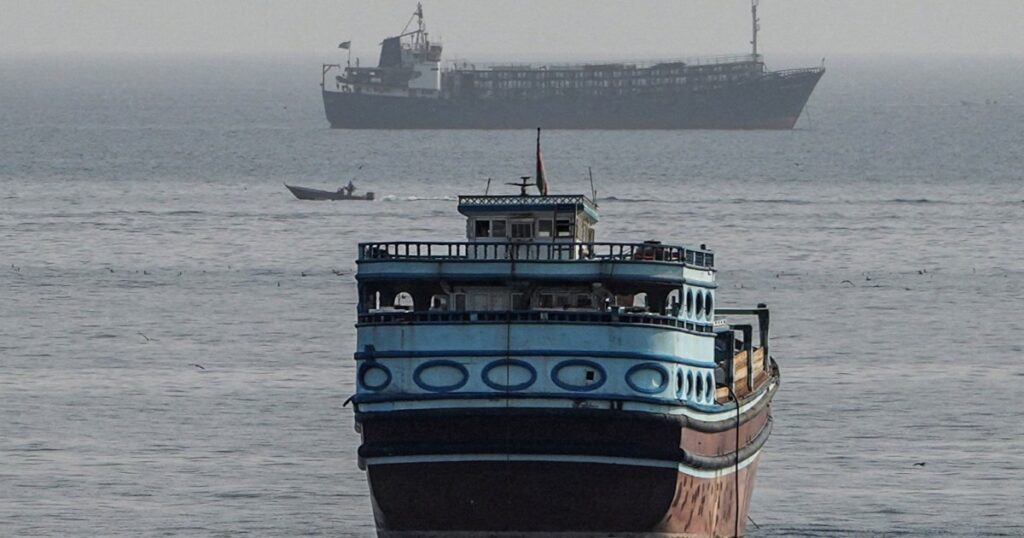
In a significant development that could reshape geopolitical dynamics in the Middle East, Iran, Oman, and the United States are reportedly close to reaching an agreement concerning the Strait of Hormuz, a crucial waterway for global oil shipping. This potential deal aims to restore safe and secure shipping routes through the strait, which has been a focal point of tension and conflict for years.
The Strait of Hormuz, a narrow passage between the Persian Gulf and the Gulf of Oman, is one of the world’s most strategically important chokepoints, with a substantial portion of the world’s petroleum passing through it daily. The vulnerability of this maritime passage has often made it a hotspot for geopolitical strife, particularly between Iran and Western powers.
Iran’s interest in the agreement stems from its desire to ensure the uninterrupted flow of oil exports and to reduce the risk of military confrontations that have periodically escalated in the region. Tehran seeks to project an image of a responsible regional power willing to cooperate on international maritime security, thereby easing economic sanctions and diplomatic isolation.
Oman, geographically positioned adjacent to the strait, has traditionally played a mediating role in regional disputes. Oman’s involvement in the talks underscores its commitment to regional stability and its interest in maintaining open sea lanes vital for global trade. By hosting and facilitating negotiations, Oman is also reinforcing its diplomatic stature as a neutral player capable of bridging divides between East and West.
The United States, which has maintained a strong naval presence in the Gulf for decades, aims to secure unhindered navigation through the strait to protect global energy supplies and maintain freedom of navigation. A deal with Iran and Oman could pave the way for broader peace talks between Washington and Tehran, potentially easing tensions that have plagued the region since the 1979 Iranian Revolution.
Key elements reportedly under discussion include mutual commitments to avoid military escalations, mechanisms for ensuring the safety of commercial vessels, and frameworks for information sharing and incident management. The agreement could also involve provisions for monitoring the waterway to prevent hostile activities and boost transparency among all parties.
If finalized, this deal could usher in a new era of cooperation in a region often marked by suspicion and conflict. It could facilitate the resumption of oil shipments, stabilize local economies dependent on Gulf trade, and contribute to a reduction in military deployments around the strait.
Analysts view this move as a pragmatic step that reflects shifting geopolitical interests. For Iran, it represents an opportunity to alleviate international pressures and re-engage with global markets. For Oman, it is a chance to affirm its role as a peacemaker. For the U.S., it balances strategic interests with the potential for diplomatic breakthroughs.
However, skepticism remains. Critics caution that the underlying political differences between Iran and the U.S. are profound. They warn that the deal’s success will hinge on sustained diplomatic engagement and the ability of all parties to honor commitments amid regional complexities and competing alliances.
Nevertheless, the prospect of such an agreement has been welcomed by international stakeholders concerned about the security of international shipping lanes and the stability of global energy supplies.
In summary, the nearing agreement between Iran, Oman, and the U.S. over the Strait of Hormuz signifies a hopeful progression towards de-escalating tensions, enhancing maritime security, and possibly laying the groundwork for broader peace initiatives in the Middle East. The world watches closely as these talks move toward what could be a historic accord.