Cuba is grappling with its second nationwide blackout in just five days, plunging the island into darkness once again and sparking concerns about the stability of its power grid. This recent power outage has affected millions of residents across the country, disrupting daily life and critical services.
The blackout struck unexpectedly, leaving homes, businesses, and public institutions without electricity for hours. Officials have cited technical malfunctions and infrastructure challenges as the primary reasons behind the outages, although detailed explanations remain limited.
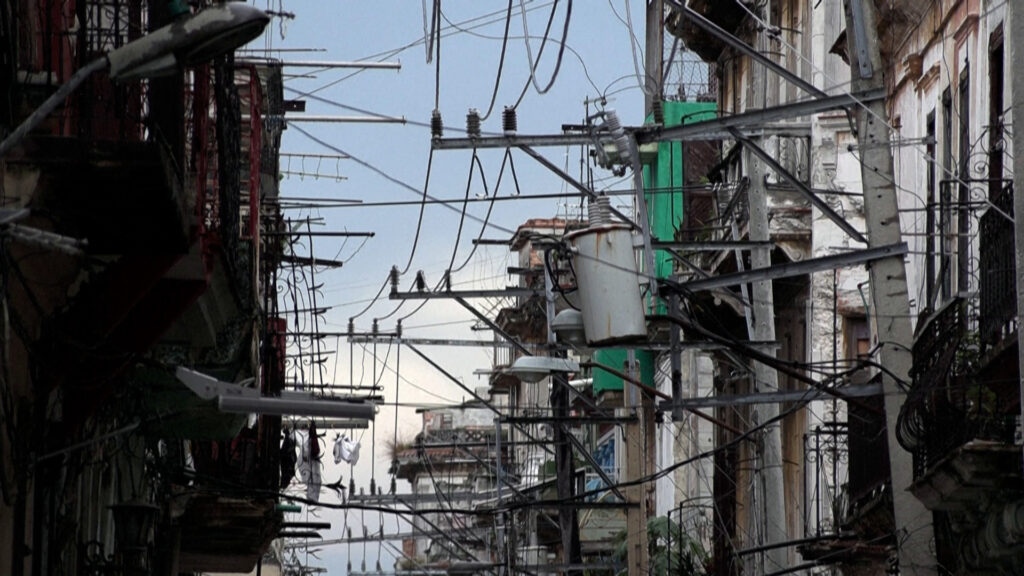
Cuba’s electric system has faced ongoing pressure due to aging infrastructure and limited resources, worsened by economic restrictions and shortages of fuel necessary for power generation. The repeated blackouts highlight the vulnerabilities in the island’s energy sector, which heavily relies on oil imports and aging power plants.
In the aftermath of the first blackout caused by a failure in the National Electrical Dispatch Center, which serves as the island’s control hub, the government pledged to investigate the causes and implement measures to prevent future occurrences. However, the recurrence of a nationwide outage only days later raises questions about the effectiveness of these efforts.
The latest blackout has had widespread impacts. Hospitals have had to operate on backup generators to maintain essential medical services, while schools and businesses have faced closures or interruptions. Transportation systems, including electric trains and traffic lights, have been disrupted, complicating daily commutes and public safety.
Power outages in Cuba not only affect the economy but also have social repercussions, especially for vulnerable populations who depend on electrically powered medical devices or refrigeration for food and medicine.
Observers note that the situation underscores the urgent need for Cuba to modernize its power infrastructure and diversify energy sources to safeguard against future crises. International support and investment could play a critical role in helping the nation upgrade its grid and enhance energy security.
The Cuban government has promised to prioritize the restoration of stable electricity supply and reassured citizens that efforts are underway to stabilize the grid. Still, the recurrence of such large-scale blackouts signals a warning for deeper systemic issues that must be addressed to avoid further disruptions.
As the nation works to recover from this latest outage, residents remain hopeful for a swift return to normalcy, while experts stress the importance of comprehensive reforms to prevent the repetition of such incidents in the future.