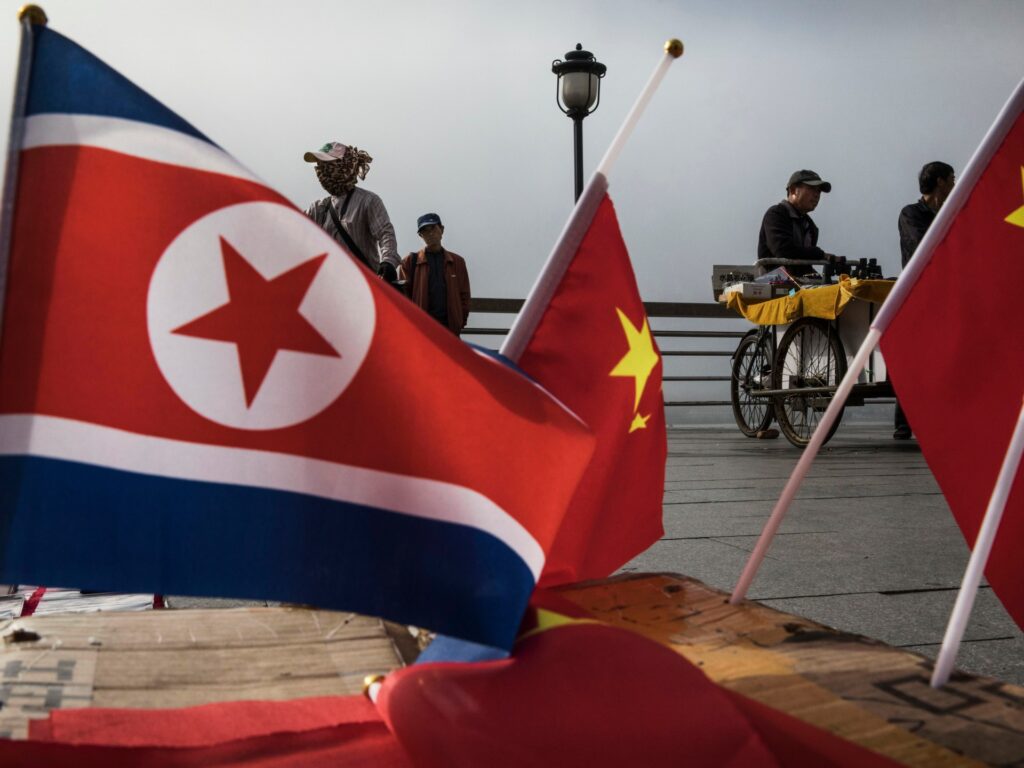
This week marks the 65th anniversary of the China-North Korea friendship treaty, an alliance famously described as ‘sealed in blood’ due to the profound sacrifices made during the Korean War when Chinese forces supported North Korea. The treaty, signed in 1961, has long been a symbol of strong bilateral ties rooted in ideological kinship and mutual strategic interests.
Over the decades, the China-North Korea alliance has endured numerous geopolitical shifts and challenges. Initially forged in the crucible of war, the relationship was based on Communist ideological solidarity and a shared interest in countering Western influence in East Asia. China provided substantial military, economic, and diplomatic support to North Korea, positioning itself as Pyongyang’s principal ally.
Today, the context surrounding this historic friendship has evolved significantly. China remains North Korea’s most critical economic partner and diplomatic supporter, although their relationship is more pragmatic than purely ideological. Beijing’s primary concern is regional stability and preventing escalation on the Korean Peninsula, which could lead to instability spilling over into China.
Recent years have seen tensions due to North Korea’s nuclear weapons program. China has often supported United Nations sanctions against North Korea but also advocates for dialogue and negotiation rather than isolation. This nuanced stance reflects China’s dual objectives: curbing nuclear proliferation and maintaining a buffer state between itself and South Korea, a U.S. ally.
Economic ties between the two countries are substantial but strained. China is North Korea’s largest trading partner, vital for Pyongyang’s economy, especially given international sanctions. However, trade has fluctuated due to global sanctions and border controls, particularly exacerbated by COVID-19 pandemic restrictions. Despite these challenges, both nations continue to engage diplomatically to reinforce their alliance.
The alliance’s 65th anniversary is a solemn reminder of their shared history and ongoing strategic cooperation. Yet, it also highlights the complexities of their relationship in a rapidly changing geopolitical environment marked by strong U.S. influence, regional alliances, and North Korea’s unpredictable policies.
In essence, the China-North Korea friendship treaty, once viewed through the lens of unwavering ideological commitment, today embodies a more calculated partnership. China’s approach to North Korea prioritizes strategic stability and influence, while Pyongyang leverages this relationship to resist international pressure and preserve its regime.
As celebrations reflect on a legacy ‘sealed in blood,’ the modern alliance is tested by global diplomacy, sanctions, and North Korea’s evolving role on the world stage. Both countries remain intertwined, not just by past sacrifices but by present-day geopolitical necessity, maintaining a complex but enduring alliance that continues to shape East Asian security dynamics.