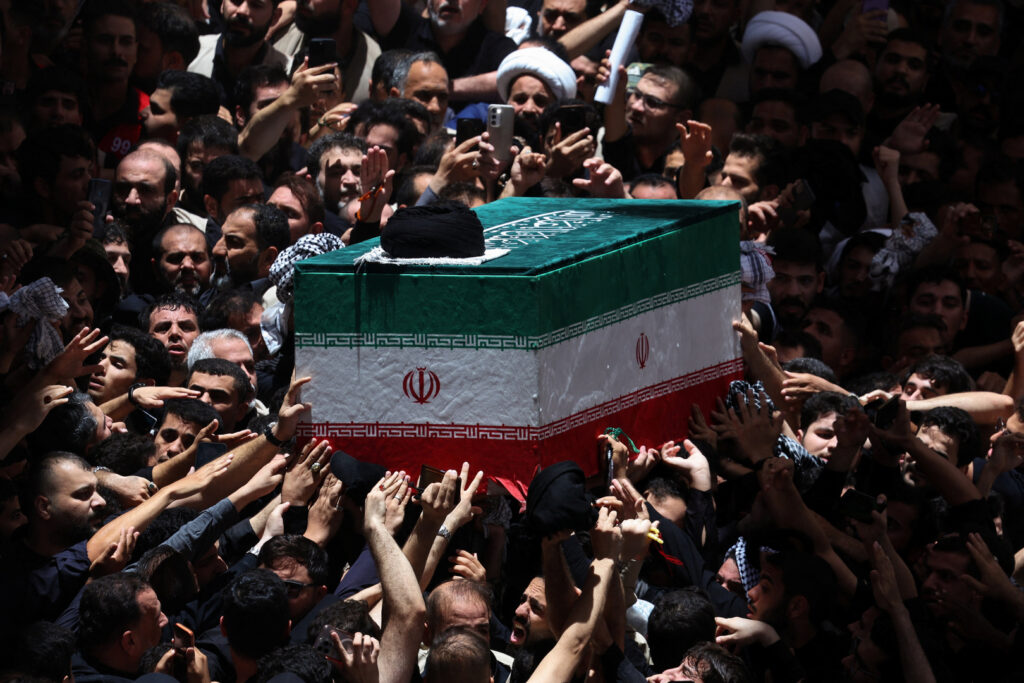
The funeral procession for Iranian Supreme Leader Ali Khamenei in Najaf, Iraq, became a focal point for an overwhelming display of public mourning. More than a million people thronged the streets to pay their respects, highlighting the deep political and emotional impact of Khamenei’s death across the region.
Najaf, a city revered for its religious significance in Shia Islam, saw an unprecedented gathering. The massive turnout can also be seen as a signal of the solidarity and heightened political tensions surrounding the ongoing conflict in Gaza.
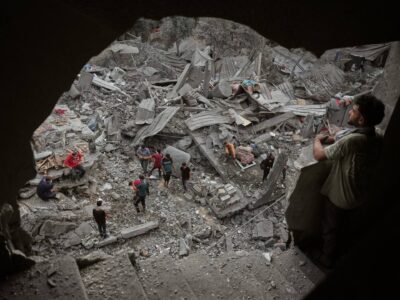
Khamenei had been a central figure in shaping Iran’s policies and its influence in the Middle East, including its support for groups involved in the Gaza war. His death comes at a critical time when the war in Gaza has escalated, impacting regional stability and international relations.
The funeral attracted not only local mourners but also representatives and sympathizers from various countries, reflecting Khamenei’s extensive influence beyond Iran’s borders. The event was marked by somber ceremonies, religious rites, and a strong expression of unity among his supporters.
Experts suggest that the large turnout indicates the merging of religious reverence with political allegiance, especially in a region fraught with conflict and shifting alliances. The gathering also underscored the role of Najaf as a pivotal location for Shia political and religious identity.
As the region grapples with the ongoing Gaza conflict, Khamenei’s funeral procession served as a reminder of the complex interconnections between religious leadership and geopolitical struggles in the Middle East. The funeral not only mourned the loss of a leader but also symbolized a moment of pause and reflection amid turbulent times.
The event is likely to influence the power dynamics in the region, potentially impacting Iranian policy and its involvement in Gaza and broader Middle Eastern affairs. Observers are closely monitoring how Khamenei’s successors will navigate the challenges posed by the war and its aftermath.
This historic gathering in Najaf has been one of the largest in recent memory, representing both a personal loss for many and a significant moment in the ongoing saga of regional conflicts and alliances.