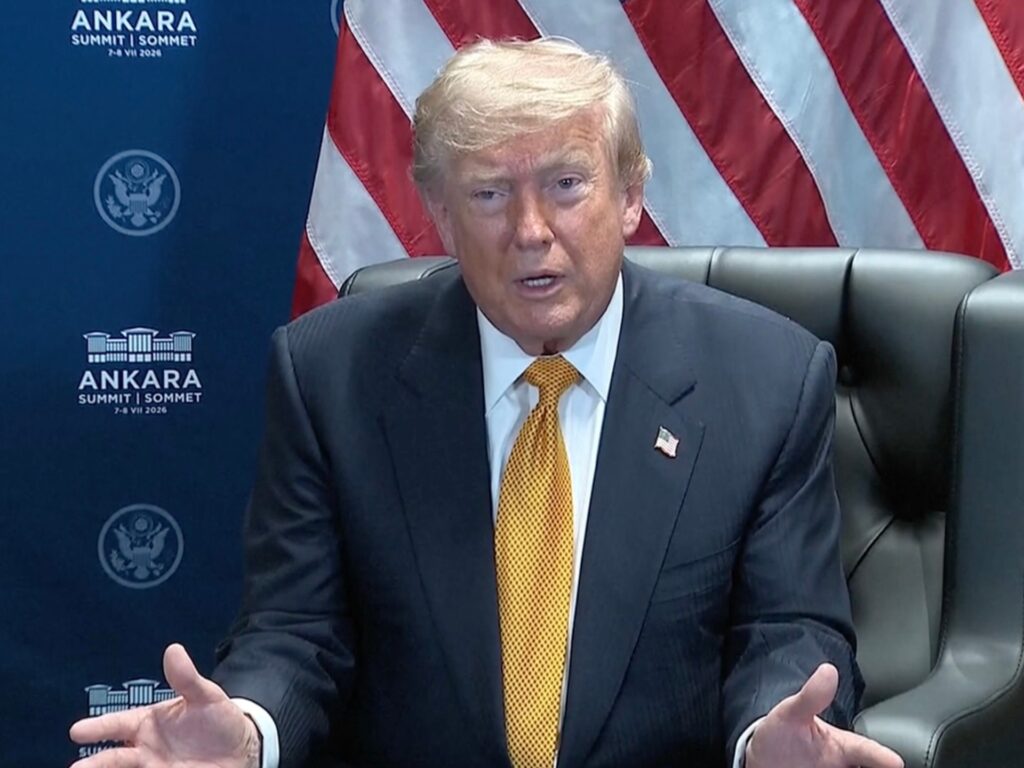
In a recent declaration, former U.S. President Donald Trump announced that the Memorandum of Understanding (MoU) between the United States and Iran is officially over. Trump described Iran as a ‘vicious, violent’ nation, reinforcing his administration’s tough stance against Tehran.
The MoU, which had served as a framework for limited diplomatic engagement, was intended to ease tensions and promote stability in the volatile Middle East region. However, Trump’s announcement signals a breakdown in any ongoing agreements and a potential escalation in hostilities.
Throughout his presidency, Trump was known for his hardline policies towards Iran, including reinstating stringent economic sanctions after withdrawing from the 2015 Iran nuclear deal, formally known as the Joint Comprehensive Plan of Action (JCPOA). His characterization of Iran reflects his administration’s broader concerns regarding Tehran’s regional activities, missile tests, and alleged support for proxy groups.
This most recent statement underlines continuing distrust and animosity between the United States and Iran, raising questions about the future of diplomatic negotiations. Analysts suggest that the ending of the MoU may lead to increased geopolitical instability, with both sides potentially engaging in more aggressive posturing.
Iran’s government has historically rejected U.S. accusations and maintained that its nuclear program and regional involvement are defensive in nature. Despite occasional diplomatic overtures, the relationship between the two countries has remained fraught with conflict and mutual suspicion.
The termination of the MoU could complicate efforts by international mediators to foster dialogue or revive negotiations aimed at curbing Iran’s nuclear ambitions and addressing security concerns. It also puts pressure on neighboring countries and global powers to recalibrate their strategies in the Middle East amidst rising tensions.
Experts warn that without constructive engagement, the risk of misunderstandings and military confrontations could increase. The international community is watching closely to see how both the U.S. and Iran respond to the end of this agreement and what steps will follow in the complex web of Middle Eastern diplomacy.
As the situation develops, there is a critical need for measured policies to prevent further deterioration of bilateral relations and to promote peace and stability in the region.