Oil markets experienced a sharp surge as Brent crude prices climbed above $76 a barrel for the first time in two weeks. This increase marks a reversal from a recent trend toward return to pre-war price levels. The sudden spike is largely attributed to renewed geopolitical tensions following US military strikes in Iran along with escalating violence in the strategically crucial Strait of Hormuz.
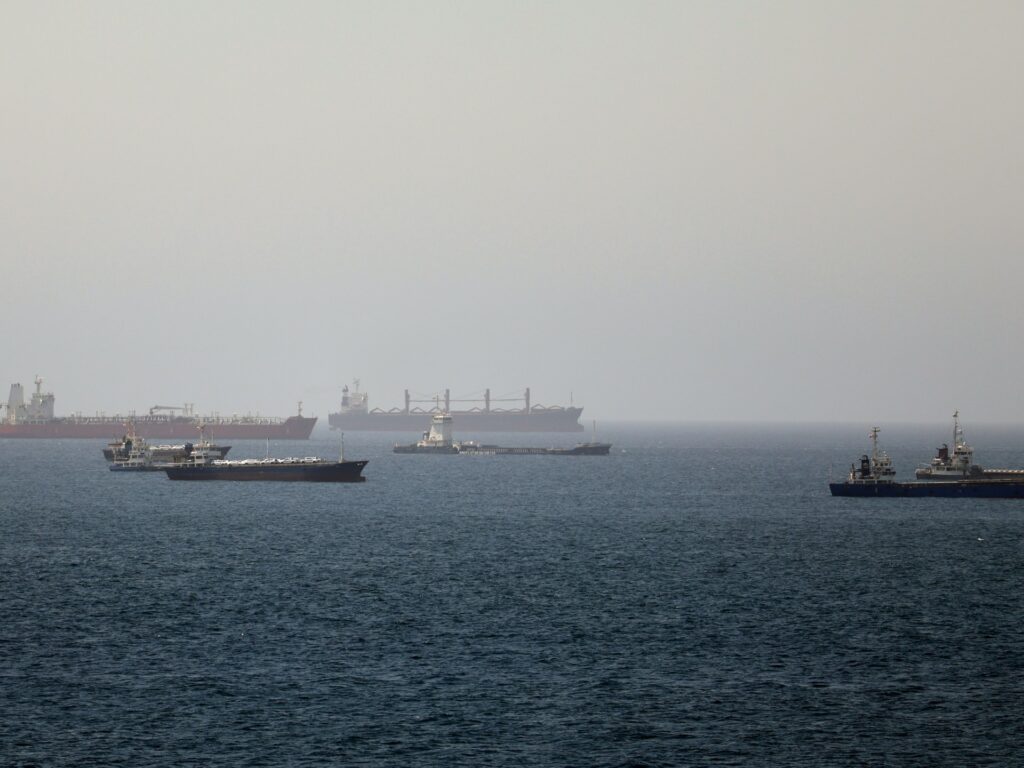
The Strait of Hormuz, a vital transit route through which a significant portion of the world’s oil supply is shipped, has again become a flashpoint for conflict. The renewed hostilities have raised concerns among traders and analysts about potential disruptions to global oil supply, driving prices higher.
Prior to this escalation, oil prices had been gradually stabilizing, with expectations of a return to pre-conflict levels largely unwinding earlier price surges caused by uncertainty. However, the US strikes on Iranian targets and the consequent increase in regional instability have reignited fears surrounding supply security.
Market participants have reacted swiftly, with Brent crude futures responding strongly to news of the US action and reports of violent exchanges near the Gulf. The price movement reflects the sensitivity of global energy markets to changes in Middle Eastern geopolitical dynamics.
Energy analysts suggest that if tensions persist or intensify, the upward pressure on oil prices could continue, potentially leading to increased costs for consumers worldwide. The implications are significant not only for energy markets but also for economic stability in countries heavily dependent on oil imports.
The US military actions are reportedly a response to threats perceived from Iran, aiming to deter further hostile activities. However, these actions have also raised concerns about possible retaliations and a further escalation of conflict in the region.
The international community is closely monitoring the situation, with calls for de-escalation to avoid broader conflict and to maintain the security of international shipping lanes vital for energy transportation.
In summary, the oil price surge marks a sharp return to heightened tensions in a key oil-producing region. The rise in Brent crude prices above $76 a barrel reflects the fragile balance between geopolitical conflict and global economic interests, illustrating the ongoing volatility that can arise from instability in the Middle East.