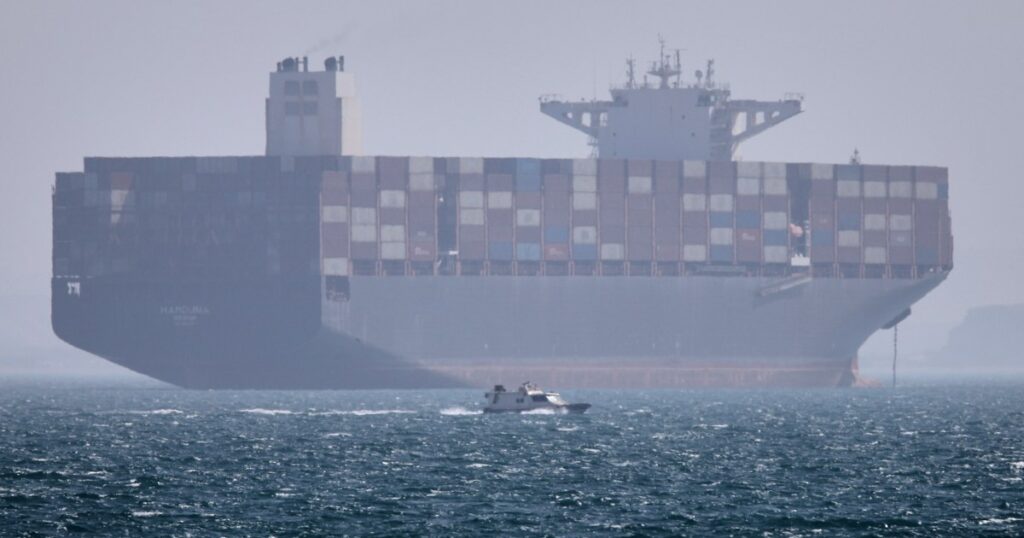
In a significant escalation of tensions in the Middle East, the United States has launched military strikes on targets in southern Iran. These strikes came shortly after attacks on Qatari and Saudi tankers in the strategically critical Strait of Hormuz, a vital passage for global oil shipments.
The U.S. government’s decision to conduct these strikes follows assaults on maritime vessels, which Washington attributes to Iranian-backed forces, heightening alarm over regional security and the safety of international shipping lanes.
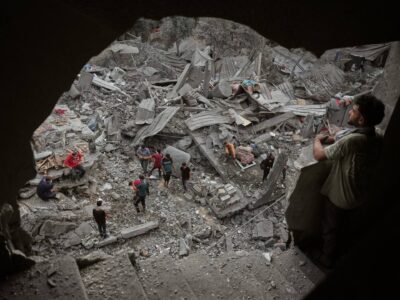
According to official sources, the strikes targeted reportedly militant sites in the southern region of Iran, aiming to disrupt operations perceived as threatening to American interests and allies in the Gulf.
Tehran responded promptly and forcefully, with officials vowing a “crushing response” to the U.S. action. Iranian authorities warned that any further aggression would lead to severe consequences, potentially destabilizing the already volatile region.
The recent attacks on tankers have increased fears over the security of the Strait of Hormuz, through which about a fifth of the world’s oil passes. The Strait is a narrow waterway flanked by Iran and the Arabian Peninsula, and is often a flashpoint in geopolitical clashes.
The strike marks a serious development in U.S.-Iran relations, which have been fraught with hostility since the U.S. withdrawal from the Iran nuclear deal and the re-imposition of sanctions on Tehran.
International reactions to the strikes have been mixed, with some countries condemning Iran’s alleged involvement in the tanker attacks and others urging restraint from all parties to avoid further escalation.
The United Nations and regional organizations have called for calm and dialogue, emphasizing the importance of safeguarding maritime security in the Gulf.
Experts warn that the situation remains highly unstable, with the potential for wider conflict if diplomatic efforts fail to resolve underlying tensions.
This latest episode adds to a history of confrontations between the U.S. and Iran, each marked by proxy battles, naval skirmishes, and political brinkmanship.
The global energy markets reacted swiftly, with oil prices rising amid concerns over supply disruptions.
Analysts are closely monitoring the developments, highlighting the strategic importance of the Gulf region and its impact on world peace and economic stability.
As the situation unfolds, the international community watches cautiously, hoping for a de-escalation to prevent a broader conflict that could affect millions worldwide.