El-Obeid, the capital of North Kordofan state, has emerged as a critical battleground in Sudan’s ongoing conflict, marking a new and pivotal phase in the war that has profound implications both militarily and humanitarianly. Understanding why el-Obeid matters requires looking at the city’s strategic importance, its role in Sudan’s conflict dynamics, and the cascading effects of fighting on the civilian population.
Geographically, el-Obeid is centrally located, making it a logistical and strategic hub. Control of el-Obeid offers a significant advantage for any faction seeking to influence the broader region. The city lies at a crossroads of vital transportation and communication routes that connect various parts of Sudan. Hence, dominance over el-Obeid can disrupt or enhance military movements, supply chains, and communication networks, affecting the war’s progress across multiple fronts.
Politically, el-Obeid carries symbolic weight. It is a major urban center with historical and economic significance. The city has traditionally been a focal point for regional leadership and governance. As the war enters this new phase, capturing or holding el-Obeid signals a shift in power balances and can influence both domestic and international perceptions of the conflict. Factions controlling el-Obeid gain legitimacy and bargaining power in any future negotiations or peace processes.
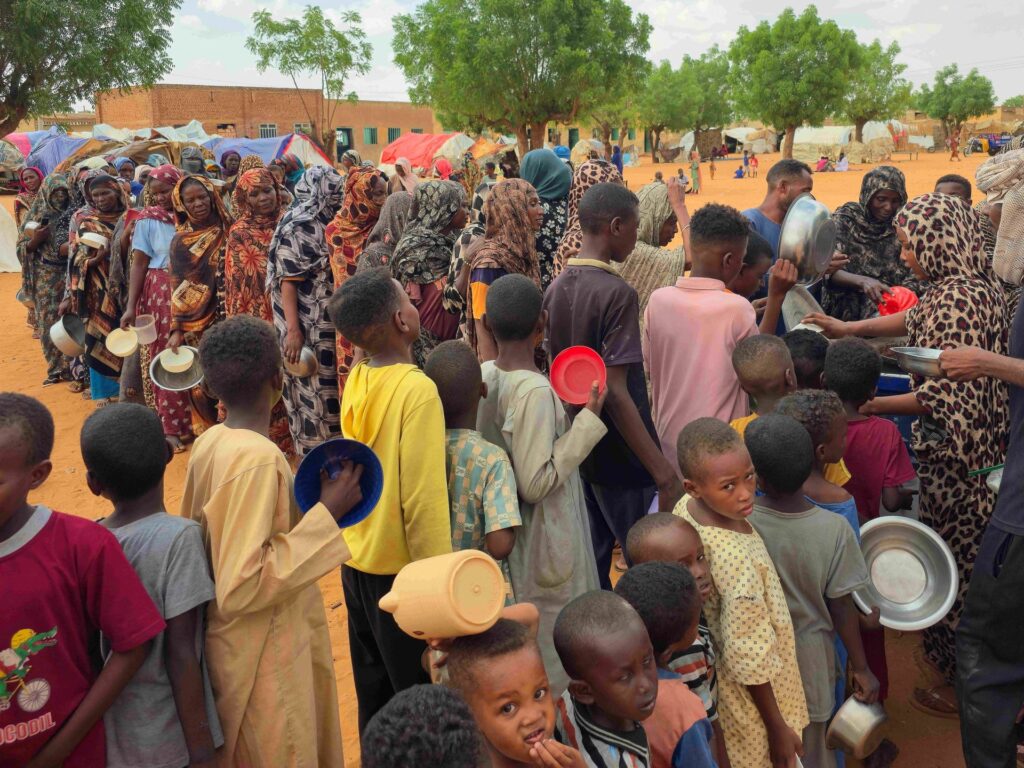
For the humanitarian crisis, el-Obeid is a critical artery. The city hosts numerous displaced individuals and serves as a refuge for civilians fleeing violence in surrounding areas. Fighting in and around el-Obeid exacerbates the dire humanitarian situation. Access to food, medical supplies, and shelter becomes increasingly scarce as the conflict escalates. Aid organizations face significant challenges delivering assistance, and the civilian population bears the brunt of intensified hostilities, often caught between warring factions.
The battle for el-Obeid also affects broader regional stability. North Kordofan’s social fabric comprises diverse communities, many of whom are ethnic groups with long-standing tensions. The war could inflame these tensions, leading to localized ethnic conflicts and complicating peace efforts. Moreover, the instability in el-Obeid risks spillover effects into neighboring states, potentially dragging more regions into conflict and deepening Sudan’s fractures.
Internationally, the situation in el-Obeid draws increasing scrutiny and concern. The city’s fate influences foreign policy decisions, humanitarian aid distribution, and international diplomatic engagement in Sudan. Countries and global organizations monitoring the war understand that controlling el-Obeid can be a bellwether for the conflict’s trajectory. Consequently, diplomatic missions and international agencies are closely tracking developments here to calibrate their responses.
In summary, el-Obeid matters because it sits at the nexus of military strategy, political power, and humanitarian urgency in Sudan’s war. As fighting intensifies, the city becomes a symbol and fulcrum of the conflict’s evolving phase. Winning control of el-Obeid could shift momentum decisively, while loss or devastation in the city deepens Sudan’s humanitarian catastrophe. The conflict in el-Obeid encapsulates the complex interplay of war’s immediate and ripple effects, emphasizing its significance in shaping Sudan’s future amidst turmoil.