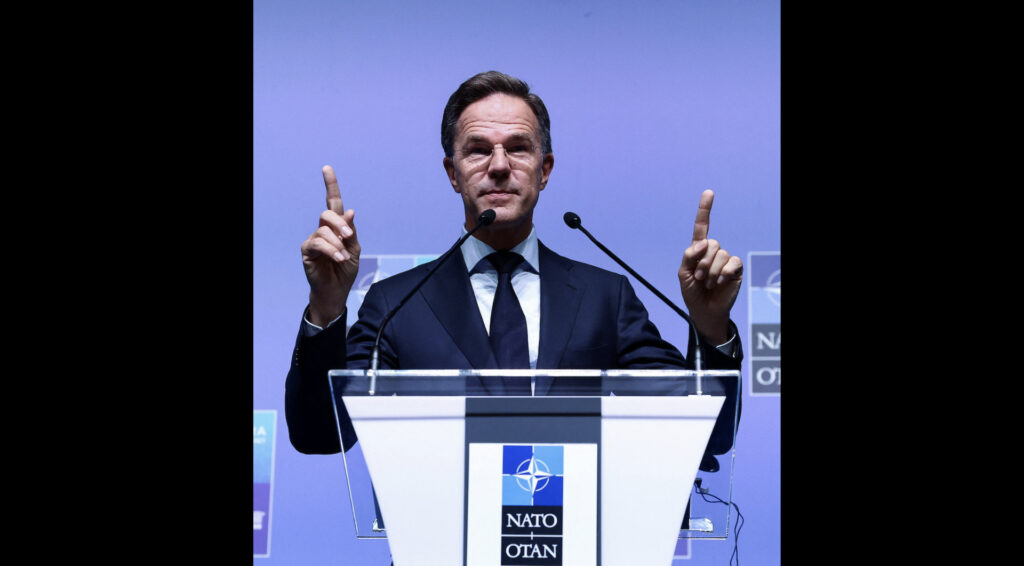
NATO Secretary General Mark Rutte has called for member countries to establish ‘credible plans’ to meet agreed defence spending targets. Speaking on the current state of NATO defence budgets, Rutte acknowledged that members are now spending approximately 4% of their GDP on defence — a significant increase from previous years.
This announcement comes amid growing global security challenges and the evolving geopolitical landscape, emphasizing the importance of robust military capabilities within the alliance. Traditionally, NATO has urged its member states to allocate at least 2% of GDP towards defence spending to ensure the readiness and deterrence capacity of the alliance.
Rutte highlighted that while the current spending surpasses the usual target, consistent and sustainable financial commitments remain crucial. He emphasized that having credible, transparent, and achievable defence plans would enable better strategic planning and resource allocation among members.
In recent years, NATO countries have boosted their defence budgets in response to rising tensions in Eastern Europe and other geopolitical flashpoints. This expenditure increase also reflects the alliance’s commitment to modernization, including investments in advanced technologies, cyber defence, and enhanced military readiness.
However, the Secretary General cautioned that the goal is not just about meeting percentage targets but ensuring funds are effectively used to improve collective security. He stressed that quality of spending is as important as quantity.
Several NATO countries have reported significant increases in their military budgets, signaling a shared recognition of defence priorities. Yet, disparities among members’ economies and political will pose challenges to unified spending approaches.
Rutte encouraged all NATO members to collaborate and engage transparently in discussing their defence strategies and budget plans to maintain the alliance’s strength and operational effectiveness.
NATO continues to advocate for strategic investments that support rapid deployment capabilities, interoperability among forces, and resilience against emerging threats.
The Secretary General’s remarks underline the alliance’s proactive stance in adapting to a complex security environment, reinforcing its collective defence pledge.
In summary, NATO’s current defence spending sits around 4% of GDP, exceeding traditional targets but requiring credible long-term planning to sustain and enhance the alliance’s security framework. Member states are urged to balance quantitative spending increases with qualitative improvements to maintain NATO’s strategic edge.