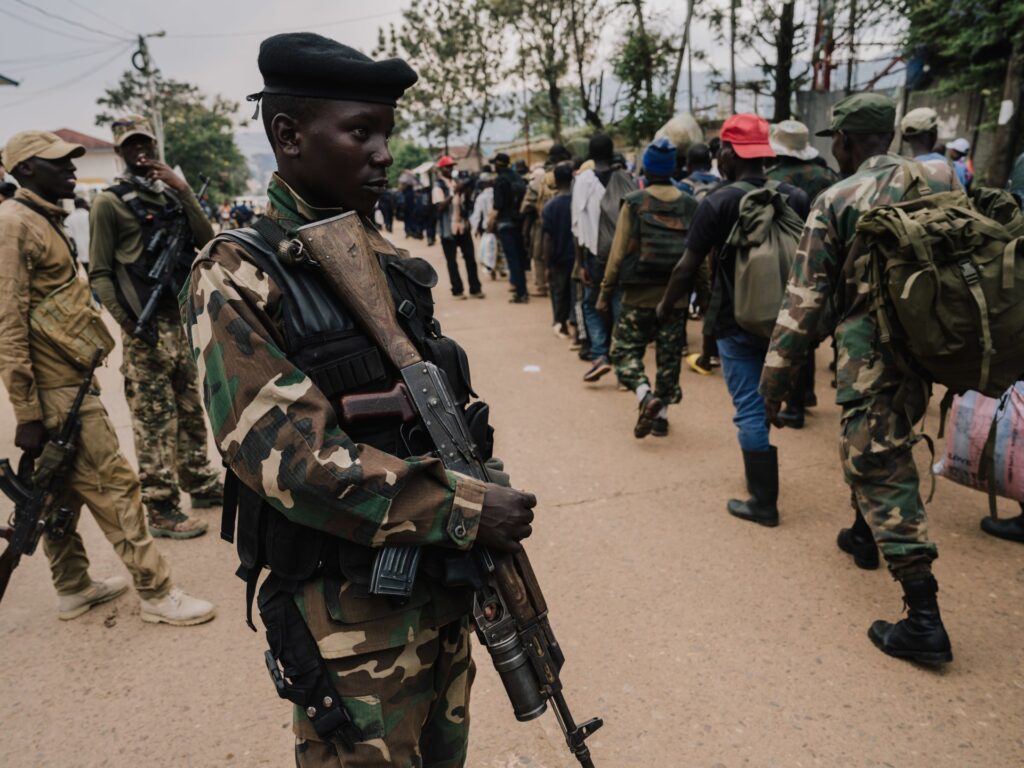
The ongoing conflict in eastern Democratic Republic of Congo (DR Congo) continues to be fueled by the lucrative trade of conflict minerals, a situation that has prompted the United States to impose sanctions amid growing international concern.
Conflict minerals, including tin, tantalum, tungsten, and gold, are mined illegally in the region and sold to finance armed groups that perpetuate violence and instability. These minerals are vital components in the manufacturing of electronic devices worldwide, linking global supply chains directly to the conflict zones.
The US sanctions target companies and individuals involved in the illicit trade, aiming to disrupt the financial networks that fund war efforts. This move is a response to mounting evidence that despite previous international efforts, armed factions still profit immensely from mineral resources.
The eastern DR Congo has been plagued by armed conflict for decades, with various militias vying for control over mineral-rich territories. These groups often exploit local populations, committing human rights abuses such as forced labor, sexual violence, and displacement.
The mineral trade’s complexity is exacerbated by porous borders and corrupt officials who facilitate smuggling and conceal the origins of minerals. This makes enforcement of sanctions challenging but necessary to stem the flow of conflict financing.
Consumer awareness campaigns and corporate responsibility initiatives have sought to diminish demand for conflict minerals by promoting conflict-free sourcing practices. However, these measures face obstacles due to limited transparency in supply chains and high demand for cheap raw materials.
International organizations and governments have been working to improve traceability mechanisms, such as the OECD Due Diligence Guidance, which encourages companies to audit their supply chains for conflict minerals.
The US sanctions serve as a stark warning that the international community is becoming less tolerant of industries indirectly sustaining violence in DR Congo. It signals a potential shift toward stricter enforcement and increased accountability for stakeholders along the mineral supply chain.
Humanitarian groups emphasize that addressing the mineral trade is crucial not only to reduce violence but also to promote economic stability and development in the region. Sustainable solutions require collaboration between governments, corporations, and local communities.
The complexity of eastern DR Congo’s conflict, fueled by the mineral trade, continues to challenge peace efforts. Yet, the US sanctions highlight a pivotal moment aiming to disrupt the financial underpinning of these conflicts.
Without effective measures to curb the profits from conflict minerals, violence and human suffering in eastern DR Congo are likely to persist, underscoring the urgent need for comprehensive action.