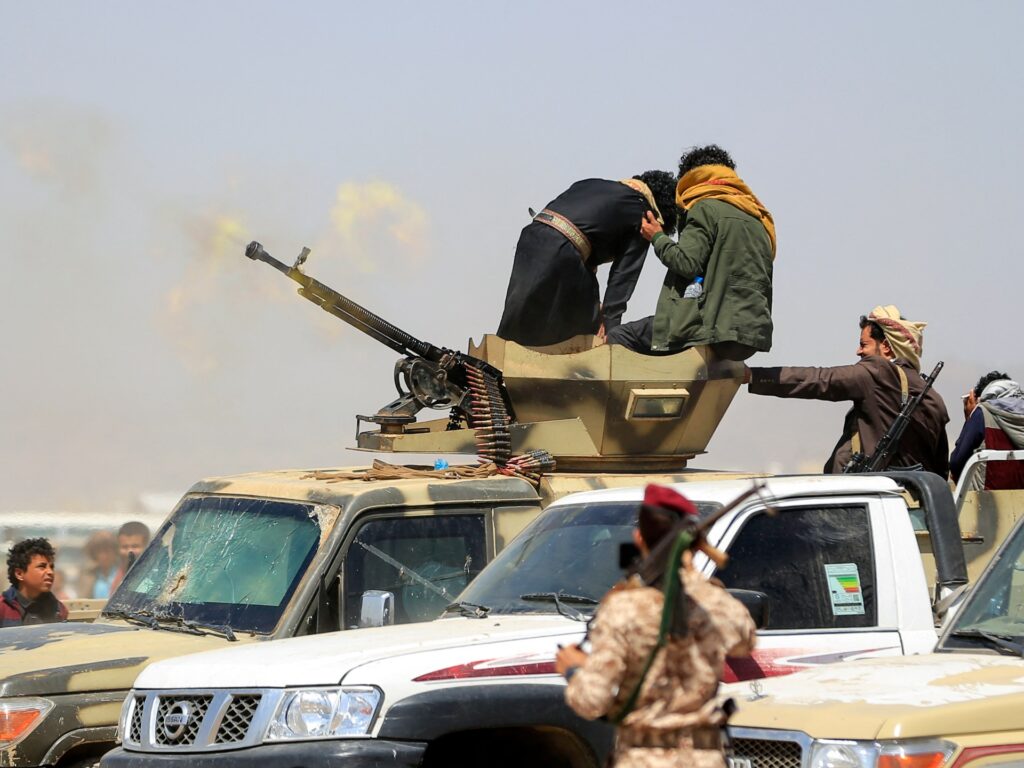
In the latest clashes in Hodeidah, Yemen, at least 15 Yemeni government troops have been killed amid intense fighting with Houthi forces. The violence has underscored the ongoing turmoil in the region, which remains a focal point in the broader Yemeni conflict.
According to an official statement by a Yemeni government minister, more than 50 Houthi fighters were also killed during these clashes. The fighting occurred in strategically significant areas of Hodeidah, a vital port city that has been contested throughout the conflict due to its importance for aid deliveries and commerce.
The Yemeni government forces have been striving to maintain control and resist the Houthi insurgents, who seized large parts of the country including the capital, Sanaa, in 2014. Despite numerous attempts at ceasefires and peace talks, hostilities have frequently erupted, leading to heavy casualties on both sides.
Hodeidah’s strategic importance stems from its position on the Red Sea coast, serving as the main entry point for commercial goods and humanitarian aid to northern Yemen. The city’s control directly affects the flow of assistance to millions of Yemenis facing famine and economic hardship.
The minister’s report highlights the significant losses suffered by the Houthi fighters, reflecting the intensity and scale of the confrontation. While the government forces have taken a toll on the insurgents, the death of at least 15 government soldiers shows the high human cost of the fighting.
International observers and aid organizations continue to warn about the humanitarian impact of the ongoing conflict, advocating for renewed negotiations to achieve lasting peace. The fighting in Hodeidah is seen as a critical obstacle to stabilizing the region and restoring essential services.
The clashes come amid a backdrop of a protracted civil war that has devastated Yemen over the past decade. The war has resulted in one of the world’s worst humanitarian crises, with millions displaced and in need of urgent assistance.
Efforts by the United Nations and other international actors to broker peace have faced setbacks, yet negotiations continue in hopes of reducing violence and promoting dialogue between the conflicting parties.
The situation in Hodeidah remains volatile, with further fighting expected unless a ceasefire or political resolution is achieved soon. Both sides have shown resilience and determination to control this critical area, making the path to peace more complex.
The Yemeni government calls for international support to bolster their efforts in regaining full control of Hodeidah and ensuring that humanitarian aid can reach those in desperate need without obstruction.
In summary, the recent fighting in Hodeidah has resulted in significant casualties on both sides, with at least 15 government troops and more than 50 Houthi fighters killed. The situation highlights the ongoing conflict’s intensity and the urgent need for peace initiatives to alleviate suffering and restore stability in Yemen.