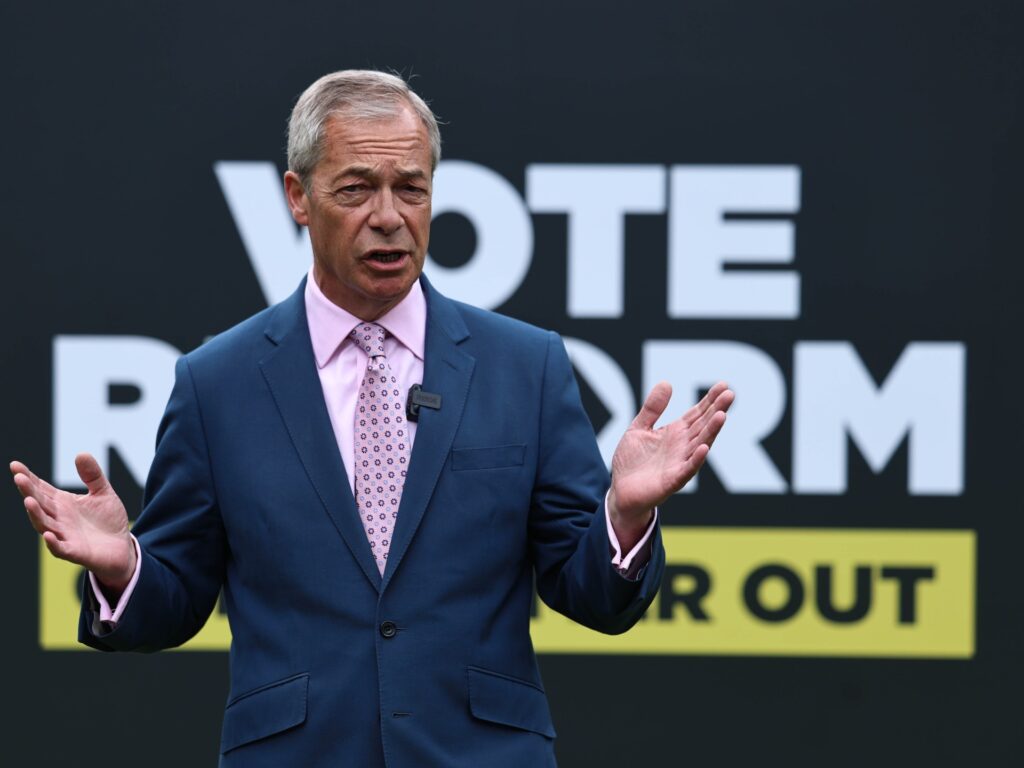
In a recent revelation by the Sunday Times, Nigel Farage, the leader of the Reform UK party, failed to disclose critical financial support from George Cottrell, a convicted criminal. According to the report, Cottrell provided significant funds that covered a range of expenses for Farage, including security, drivers, staff salaries, and accommodation.
George Cottrell’s involvement with Reform UK has raised eyebrows due to his criminal background, yet his financial contributions have played a considerable role in supporting Farage’s day-to-day activities and campaign logistics. The lack of transparency regarding these funds has led to growing scrutiny of legislation governing political donations and the requirement for full disclosure.
The funding reportedly helped maintain a level of operational support essential for the party leader’s public and political engagements. Despite the controversy, details on how this financial support was arranged remain sparse, prompting calls for further investigation and clearer regulatory oversight.
Critics argue that the failure to report such substantial backing undermines democratic principles and highlights vulnerabilities in political finance laws. Reform UK and Nigel Farage have yet to provide a detailed response or explanation regarding the omission of these funds from official disclosures.
This development adds to the ongoing debates about political financing integrity, especially concerning contributions from individuals with criminal histories. It underscores the challenges faced by political parties to ensure transparency and honesty in their funding sources and the need for stringent measures to prevent potential misuse or undue influence.
The Sunday Times report has sparked discussions among political analysts, legal experts, and the public about the implications for Reform UK and the broader political landscape. As inquiries continue, the focus remains on enforcing rigorous checks and balances to protect the credibility and trustworthiness of political processes.
This case serves as a reminder of the importance of financial disclosure in politics and the impact undisclosed support can have on public confidence in elected representatives and their parties. The story is developing, with potential legal and political consequences pending further investigation and official responses.