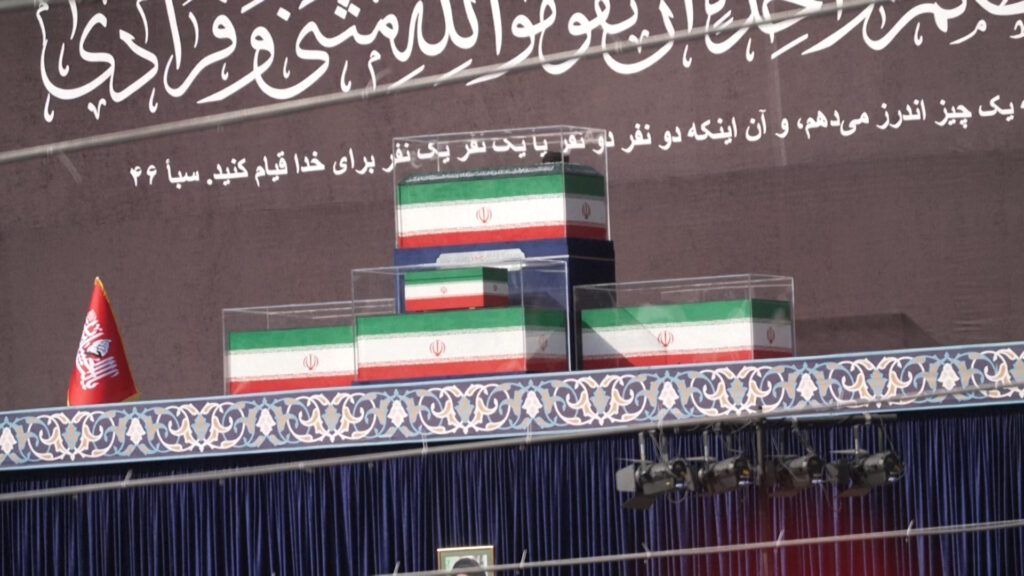
Iran has entered the second day of mourning and funeral processions for its late Supreme Leader, Ali Khamenei. Despite facing an intense heatwave sweeping across the country, thousands of Iranians have turned out in large numbers to pay their respects and participate in the ceremonies.
The heatwave has brought record temperatures, yet this has not deterred the crowds, who appear deeply moved and committed to honoring their late leader’s legacy. Streets in major cities have been filled with mourners, many carrying portraits and banners to commemorate Khamenei’s influence and leadership during his tenure.
The nationwide observance has included prayers, speeches, and multiple processions that traverse significant urban centers. Citizens from all walks of life, representing different regions and demographics, have come together in a display of national solidarity and mourning.
The government has organized the funeral events with tight security but encourages public participation, seeing the mass turnout as a testament to the leader’s impact on the country.
Ali Khamenei, who served as Supreme Leader since 1989, was a defining figure in Iran’s political and religious landscape. His passing marks the end of an era, and the prolonged funeral rites reflect the country’s deep respect and reverence.
Observers note the powerful symbolism of the public’s willingness to endure harsh weather, underscoring the emotional and political significance of the moment. Community leaders and officials have praised the unity shown by citizens amidst challenging conditions.
Health officials have issued warnings about the heatwave and the potential risks of dehydration and heatstroke, urging participants to stay hydrated and take precautions.
The event has drawn international attention, highlighting not only the political implications of Khamenei’s death but also the cultural practices surrounding death and mourning in Iran.
The coming days are expected to see continued ceremonies, with various religious and official gatherings planned as the country navigates this period of transition. The funeral processions are likely to be a historic moment reflecting both the collective grief and the enduring spirit of the Iranian people.
In sum, the second day of Ali Khamenei’s funeral was marked by large-scale participation against a backdrop of severe weather, revealing a nation united in remembrance and resilience.
This widespread demonstration of respect and loyalty provides insight into the socio-political fabric of contemporary Iran and the profound place Khamenei held until his passing.