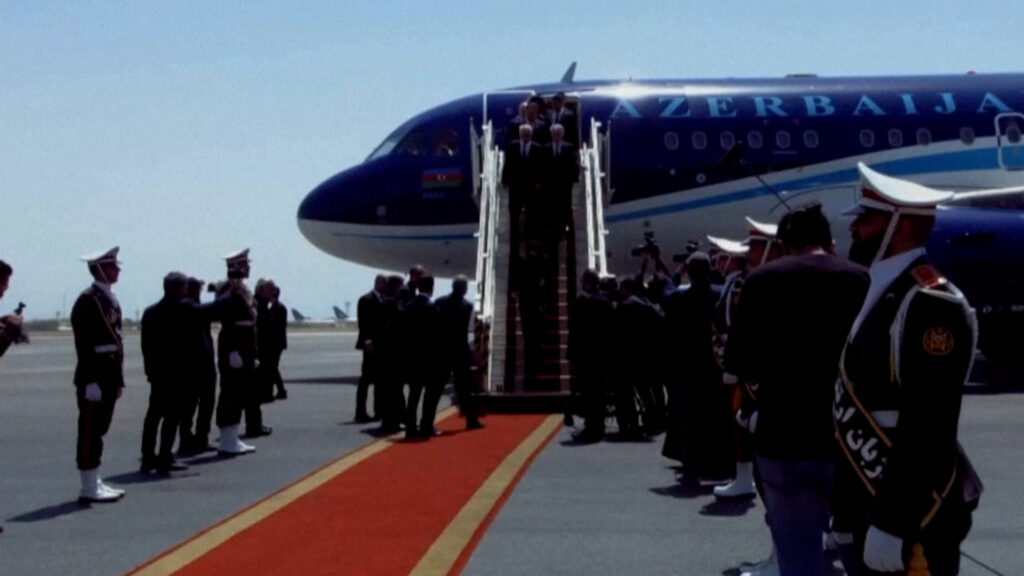
In a significant gathering in Tehran, world leaders have come together to pay homage to Iran’s late Supreme Leader Ayatollah Ali Khamenei. The event marks a pivotal moment as nations express their respect and recognize the impact of Khamenei’s leadership on regional and global politics.
The ceremony took place at the heart of Tehran, attracting dignitaries from various countries, reflecting the late leader’s influence on international diplomacy. Leaders emphasized Khamenei’s role in shaping Iran’s domestic policies and his steadfast stance in foreign affairs, which have left a lasting imprint on the geopolitical landscape.
During the tribute, speakers highlighted Khamenei’s contributions to Iran’s revolutionary ideals and his guidance through periods of significant challenges and change. Many pointed out his efforts to promote national unity and resilience against external pressures.
The attendance of numerous heads of state and senior officials underscores the late leader’s importance. They recounted moments of cooperation and dialogue with Iran under his tenure, acknowledging his visionary leadership and strategic acumen.
Several statements at the event praised Khamenei’s commitment to sovereign rights and his advocacy for the principles of justice and independence. The gathering also served as an opportunity for leaders to discuss the future of Iran and the region in the post-Khamenei era.
Cultural and religious ceremonies accompanied the political tributes, reflecting the deep respect for Khamenei’s ideological and spiritual legacy. These activities included recitations, traditional music, and displays honoring his life and work.
As the world watches closely, this tribute not only memorializes a pivotal figure but also signals a moment of reflection and potential transition for Iran. The international community remains attentive to the developments following this landmark event.
In summary, the tribute to Ayatollah Ali Khamenei in Tehran represents a significant acknowledgment of his role in shaping modern Iran and influencing international relations. It also opens a chapter of dialogue on the country’s future trajectory and its relationships worldwide.