In the lead-up to the NATO leaders’ meeting scheduled to be held in Ankara next week, a sharp debate has emerged surrounding defense spending commitments within the alliance. The discourse was recently reignited by comments from former U.S. President Donald Trump, who labeled NATO countries’ defense spending as “ridiculous.” His critical remarks accused allied nations of failing to meet fair financial contributions to the military alliance, emphasizing the need for increased defense budgets.
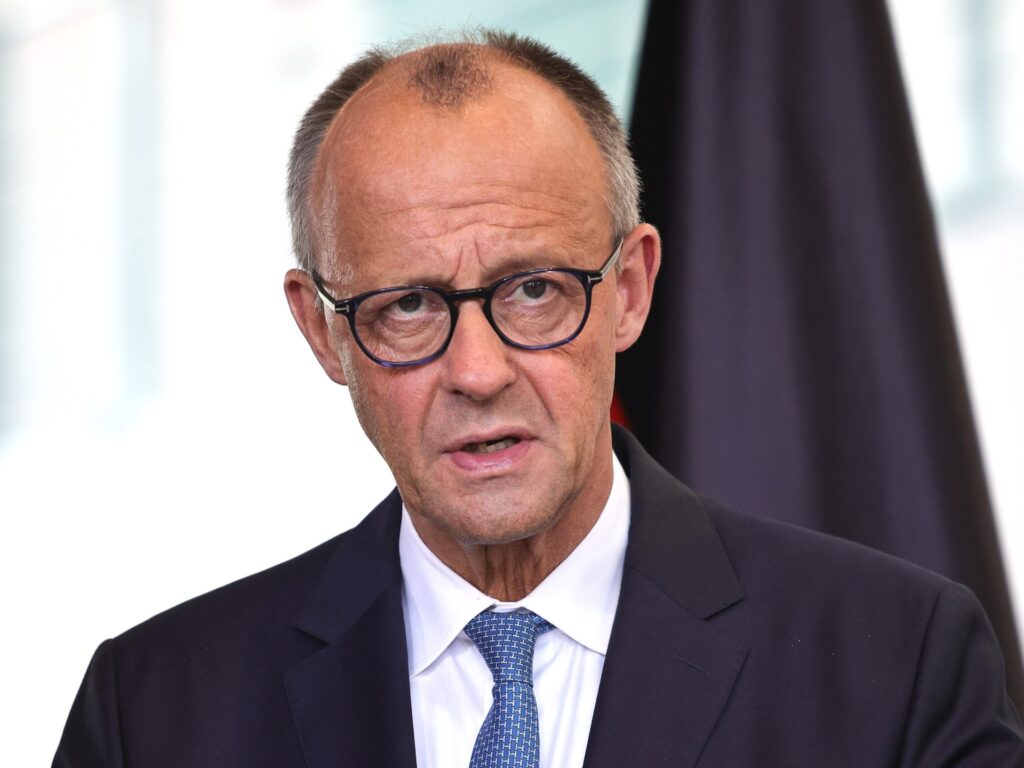
Responding robustly to Trump’s comments, German Chancellor Olaf Scholz’s coalition partner, Friedrich Merz, came forward to defend Germany’s commitment to NATO spending. Merz stressed that Germany has invested significantly in its defense capabilities and that ongoing efforts reflect a strong dedication to collective security within the alliance.
Merz emphasized the importance of unity and cooperation among NATO members, particularly in an era marked by geopolitical uncertainties and emerging security challenges. He argued that while criticisms sparked necessary conversations about equitable spending, the alliance’s foundational solidarity should not be undermined by public disputes.
The discussion comes at a critical time as NATO seeks to reinforce its deterrence posture in response to evolving threats in Eastern Europe and beyond. Defense spending remains a perennial issue with some members exceeding the 2% of GDP target set by NATO, while others continue to work towards meeting this benchmark.
Officials from various member states acknowledge that increasing defense investment is pivotal for maintaining operational readiness, modernizing forces, and addressing emerging technological domains such as cybersecurity and space.
Next week’s summit in Ankara is anticipated to focus heavily on recommitting to collective defense responsibilities, strategizing military expenditures, and addressing newer domains of threat. Leaders are expected to negotiate a pathway that balances equitable burden-sharing with the strategic needs of the alliance.
Merz’s defense of Germany’s position mirrors a broader desire among European allies to assert their role in global security while managing domestic political and economic constraints. The dialogue underscores NATO’s ongoing challenge to maintain cohesion among diverse members with varying capacities and priorities.
As the world watches the upcoming summit, the conversation about NATO’s spending commitments highlights the evolving nature of international defense cooperation in an interconnected but increasingly complex security environment. Merz’s remarks serve both as a rebuttal to critics and a call for continued investment and solidarity among allies to safeguard collective peace and stability.