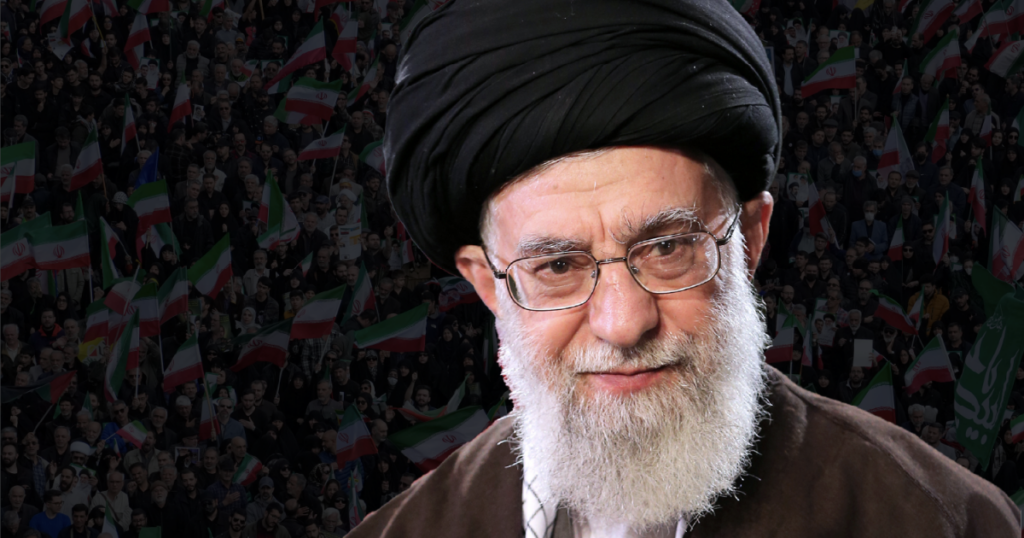
Iran’s late Supreme Leader, Ali Khamenei, will be honored through a series of funeral processions and mourning gatherings across Iran and Iraq from July 3rd to July 9th. These events will provide mourners the opportunity to pay their respects through a well-coordinated series of regional assemblies, highlighting the deep reverence held for Khamenei among many in the region.
The funeral proceedings are planned to span several days, beginning on July 3rd, with key gatherings in major cities throughout both Iran and neighboring Iraq. This extended period of mourning underscores the significant impact Khamenei has had on the political and social landscape of the Middle East.
Day one will mark the initial processions in Tehran, where adherents and citizens will gather to begin the solemn tribute. The capital is expected to host large crowds who will participate in the ceremonies and prayers arranged in honor of the late leader.
Following the events in Tehran, the procession will move to several other major Iranian cities including Mashhad, Isfahan, and Shiraz, where local residents will have the opportunity to join the communal remembrance activities. These cities have been selected for their historical and cultural significance within Iran, allowing for widespread participation.
In parallel, cities in Iraq that have strong religious and cultural ties to Iran will also hold mourning gatherings. Najaf and Karbala, two of Iraq’s most sacred cities, will see large processions as thousands of mourners pay homage to Khamenei’s legacy. These cities are vital religious centers for Shia Muslims and their involvement adds a profound spiritual dimension to the funeral rituals.
Throughout the week, the processions will follow a carefully mapped route to allow different communities to join in the final farewell. This approach ensures that Khamenei’s followers, from various regions and backgrounds, can express their grief collectively. The logistics of these gatherings involve close cooperation between local authorities and religious institutions to maintain order and provide security amid the expected crowds.
The funeral event has also been marked by international attention, with diplomatic figures and representatives from several countries acknowledging the passing of one of the region’s most influential leaders. This international dimension reflects Khamenei’s role not just within Iran but on a broader geopolitical scale.
By the end of the mourning period on July 9th, a concluding ceremony is planned, signifying the end of the collective mourning process. The event will be both a moment of reflection for those who mourn and a historical marker of a transformational era in Iranian and Middle Eastern politics.
Together, these successive days of funeral processions and commemorations lay out a poignant map of mourning that binds communities across borders. It highlights the enduring impact of Ali Khamenei’s leadership and the deep connections between Iran and Iraq, especially through religious and cultural ties.
This comprehensive mapping of funeral events provides a structured and respectful itinerary for thousands to come together, share their sorrow, and celebrate the life of a figure who has shaped the region’s history over several decades.