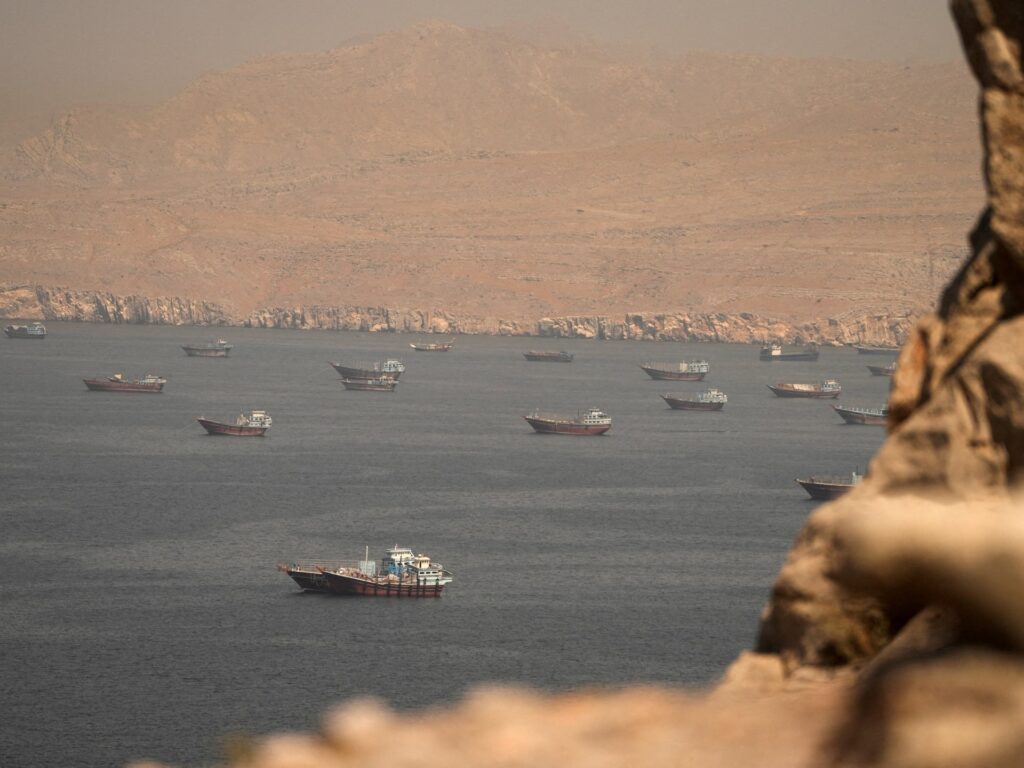
The reopening of the Strait of Hormuz, a critical artery for global oil shipments, has reignited discussions about the delicate balance of oil supply and demand worldwide. After recent disruptions that constricted the flow of crude oil, the resumption of normal maritime traffic through this chokepoint has raised the possibility of an emerging oil surplus that could unsettle global energy markets.
The Strait of Hormuz is strategically vital as approximately 20% of the world’s petroleum passes through this narrow waterway each day. The temporary closure or blockage of this route previously led to supply constraints and heightened concerns over oil shortages, driving prices upward and stoking market volatility.
Now, with the channel reopened and oil flows resuming, analysts are closely monitoring the impact on the global oil supply chain. The increased availability of crude oil could result in an oversupply situation, commonly referred to as an oil glut. This occurs when production outpaces demand, causing crude inventories to swell and prices to drop.
An oil glut can have far-reaching consequences for the energy sector and broader economy. Lower oil prices benefit consumers through reduced fuel costs but pose challenges for oil-producing nations and companies that rely heavily on higher prices to sustain revenues and investments.
In recent months, global economic uncertainties combined with energy transitions have led to fluctuating demand forecasts. The reopening of Hormuz might exacerbate oversupply issues if demand does not keep pace with the renewed flow of oil exports. This could lead to price volatility, pressuring producers to adjust output or engage in strategic stockpiling.
Energy market stakeholders, including governments, producers, and investors, must carefully balance supply decisions to avoid destabilizing the market. Coordination among oil-exporting countries and monitoring of geopolitical tensions that could threaten the strait’s security remain critical to maintaining market stability.
In summary, the reopening of the Strait of Hormuz has shifted the dynamics from scarcity-induced price hikes to concerns about a surplus-driven price slump. Whether this surplus leads to sustained lower prices or prompts strategic responses to stabilize the market hinges on the interplay between supply levels and evolving global demand patterns. Vigilance and adaptive strategies will be key to navigating the uncertain energy landscape ahead.