Fuel shortages in Russia are intensifying as Ukrainian military strikes continue to target key refineries, severely disrupting the country’s fuel supply network. The situation has prompted Russian authorities to enforce strict rationing measures to mitigate the impact on consumers and essential services.
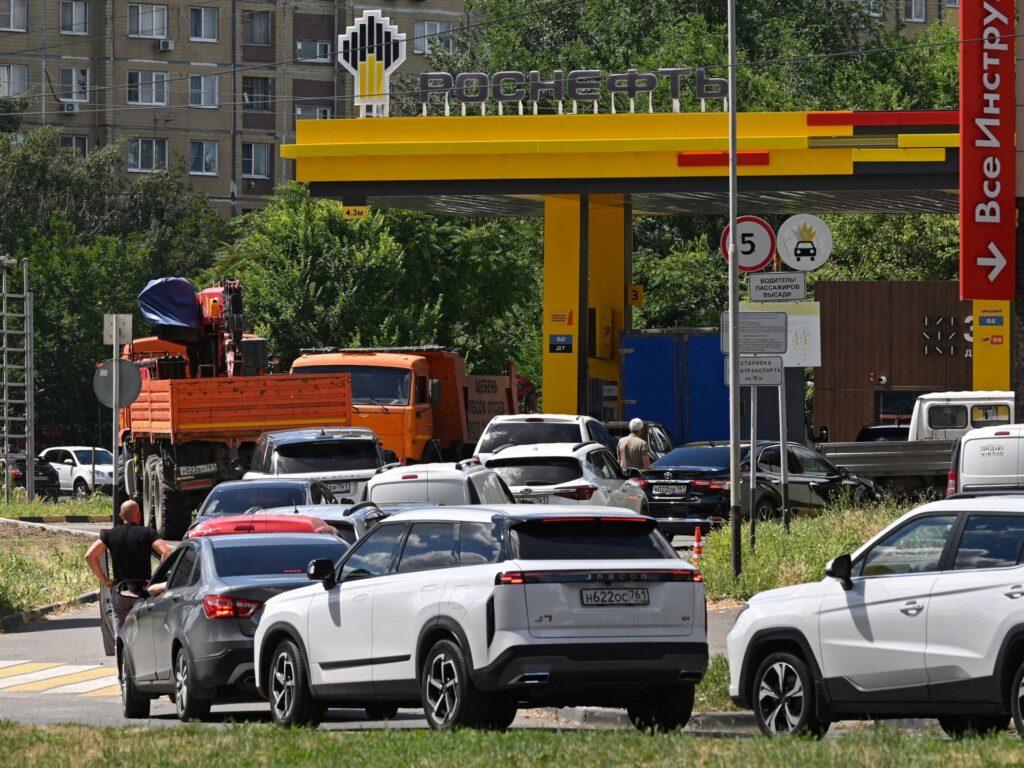
The crisis is rooted in a series of Ukrainian attacks on major fuel infrastructure, which has led to a significant decline in the production and distribution of gasoline and diesel across Russia. These attacks have disrupted the supply chains, leaving retailers with dwindling inventories and causing long lines at fuel stations in several regions.
Officials have acknowledged the severity of the situation, describing the crisis as deep and complex. Measures such as fuel rationing have been implemented to ensure that limited resources are allocated fairly and to prevent panic buying. Authorities are prioritizing essential sectors including emergency services, public transportation, and agriculture to maintain basic operations.
Analysts warn that the ongoing conflict and resulting infrastructure damage may have long-term implications for Russia’s energy sector. Repairing the damaged refineries could take months, amplifying the economic strain on an already pressured market.
Consumers are feeling the pinch as prices soar due to scarcity. Many ordinary Russians report difficulties in securing enough fuel for their daily needs, leading to disrupted travel and economic hardship for small businesses reliant on fuel.
In addition to domestic challenges, the shortage is impacting Russia’s export capabilities. Traditionally a significant fuel exporter, Russia now faces limitations that could reduce its presence in global markets, potentially benefiting competitors.
Government responses include calls for increased domestic production and efforts to diversify energy sources, but experts believe these measures will take time to yield results. Meanwhile, the situation has heightened public concern about energy security and economic stability.
The worsening fuel shortage underlines the broader consequences of the ongoing conflict between Russia and Ukraine. As Ukrainian forces continue to target critical infrastructure, the pressure on Russia’s economy and civilian population is mounting.
International observers are closely monitoring the developments, with some expressing concern about the humanitarian implications if fuel scarcity continues unchecked. The crisis serves as a stark reminder of how modern warfare extends beyond the battlefield, deeply affecting everyday life.
In summary, Russia’s fuel shortage crisis is a multifaceted challenge exacerbated by Ukrainian strikes on refineries. The government’s rationing efforts reflect the gravity of the situation as it navigates an uncertain path toward recovery and stability. The coming months will be critical in determining how effectively Russia can address the fuel supply disruptions and mitigate the broader economic repercussions.