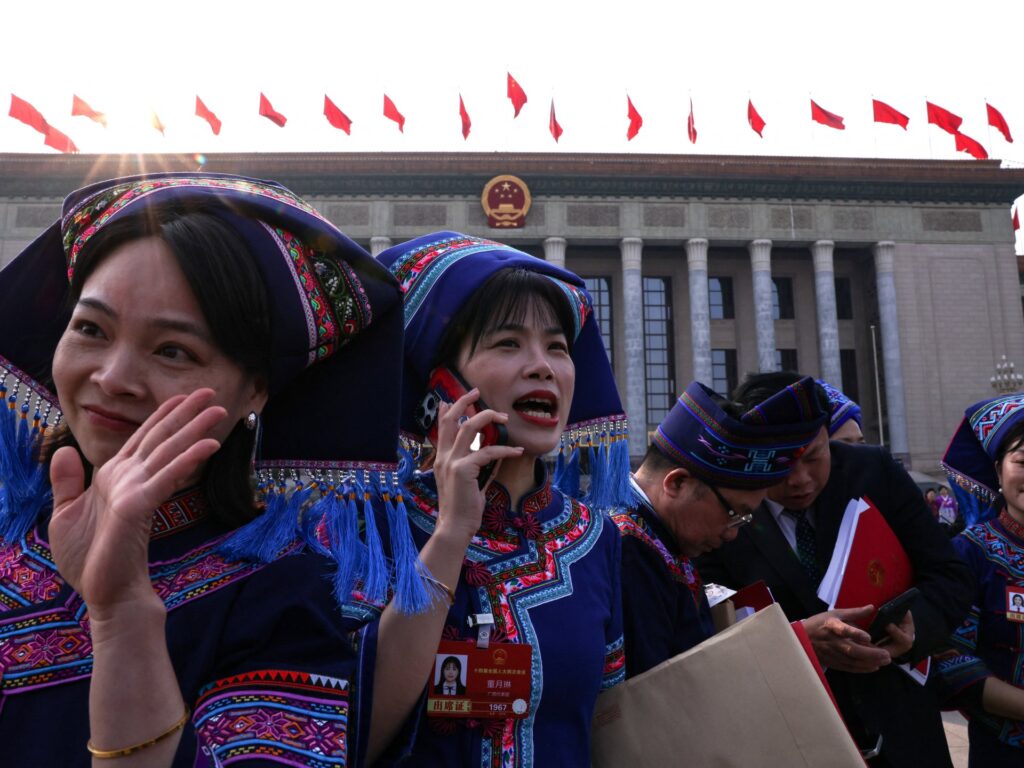
China’s newly enacted ethnic unity law has raised significant concerns among international observers and human rights activists. While officially framed as a measure to promote ethnic harmony within China, many critics argue that the law’s provisions extend beyond national borders and could be used to justify transnational repression against ethnic minorities and dissenters abroad.
The Chinese government claims that the law aims to strengthen unity and solidarity among the country’s diverse ethnic groups, fostering social stability and national cohesion. It includes mechanisms purportedly designed to prevent ethnic discrimination and to promote cultural integration. However, the law also grants Chinese authorities expanded powers to monitor and control ethnic minorities, including those residing overseas.
One of the most contentious aspects of the law is its extraterritorial reach. It permits Chinese agencies to enforce ethnic unity measures beyond China’s borders, which activists worry could lead to intimidation, surveillance, and repression of diaspora communities. These communities, particularly Uyghur, Tibetan, and other minority groups, may find themselves subject to Chinese legal actions while living in foreign countries.
Analysts point out that the law can be interpreted to legitimize coercive tactics that suppress dissent and cultural expression among ethnic minorities globally. This has led to fears that Beijing’s influence will encroach upon the sovereignty of other nations where these diaspora populations reside.
International human rights groups highlight instances where overseas ethnic minority activists have been threatened or harassed by entities linked to the Chinese state. The new law could provide a legal basis for such actions, potentially expanding the scope for coordinated campaigns of repression.
Governments around the world have been alerted to the implications of the new law. Some have begun reassessing the protection and support structures for ethnic minority communities within their jurisdictions to guard against possible interference from Chinese authorities.
Critics also warn that framing ethnic unity in terms of strict legal mandates risks marginalizing the cultural diversity it purports to protect. By enforcing a top-down definition of ethnic harmony, the law may diminish the autonomy and traditions of minority groups.
The law comes amid an ongoing crackdown in China on the Uyghur population in Xinjiang and other ethnic minorities, actions that have drawn widespread international condemnation. The legislation’s broader reach has intensified scrutiny of China’s human rights practices and raised questions about the global impact of its domestic policies.
Experts call for international cooperation and vigilance to ensure that the principles of human rights and national sovereignty are upheld. They advocate for transparent dialogue with China to clarify the intentions and enforcement mechanisms of this controversial law.
In conclusion, while the ethnic unity law is presented as a positive step towards national cohesion, its potential to justify transnational repression poses serious challenges. The law represents not just a domestic policy shift but a strategic extension of Beijing’s control that could affect ethnic minorities worldwide, necessitating a coordinated global response to preserve human rights and freedoms.