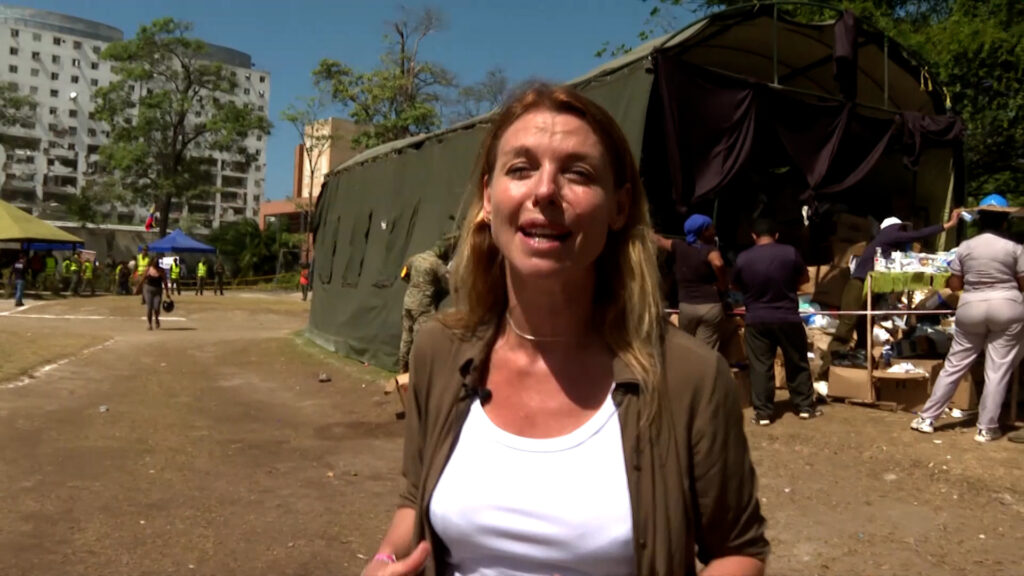
Venezuela, known for its diverse landscapes and rich cultural heritage, is currently grappling with the aftermath of powerful earthquakes that have left many survivors in desperate need of assistance. In a poignant scene, a local golf course has been transformed into a makeshift relief center, serving as a beacon of hope for those affected by the natural disaster.
Al Jazeera’s Teresa Bo reports directly from this relief hub, highlighting the immense challenges faced by survivors and the critical role that international aid is playing in the ongoing recovery efforts.
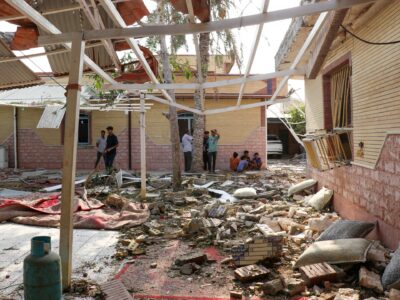
The earthquakes, which struck with little warning, have caused widespread damage to infrastructure and homes across several regions in Venezuela. The destruction has not only displaced thousands but also severely disrupted access to essential services, making the timely delivery of aid a top priority.
Local authorities, overwhelmed by the scale of the disaster, have called on the international community for support. Foreign aid agencies have responded promptly, sending supplies such as food, water, medical equipment, and temporary shelters to help alleviate the suffering of the affected populations.
At the relief center on the repurposed golf course, volunteers work tirelessly to register survivors, distribute aid packages, and provide medical care. The atmosphere is one of resilience mixed with urgency, as families wait in line for assistance, sharing stories of loss and hope.
Teresa Bo’s on-the-ground reporting sheds light on the human dimension of the crisis, documenting personal accounts that reveal the profound impact of the earthquakes on everyday lives. Survivors express gratitude for the aid, yet they also voice the need for sustained support to rebuild their communities.
The Venezuelan government has pledged to coordinate closely with international organizations to enhance the efficiency of the response and ensure that resources reach the most vulnerable. However, logistical challenges and damaged infrastructure continue to pose significant obstacles.
Disaster experts emphasize that Venezuela’s location along tectonic fault lines makes it susceptible to seismic activity, underlining the importance of preparedness and resilient infrastructure to mitigate future risks.
Meanwhile, humanitarian organizations are advocating for increased funding and global solidarity to support long-term recovery and rehabilitation efforts in the earthquake-hit regions.
As Venezuela faces this critical period, the collaboration between local responders and foreign aid groups serves as a testament to the power of global cooperation in times of crisis. While the road ahead is arduous, the collective commitment to aid and rebuild offers a glimmer of hope to the survivors amidst the devastation.