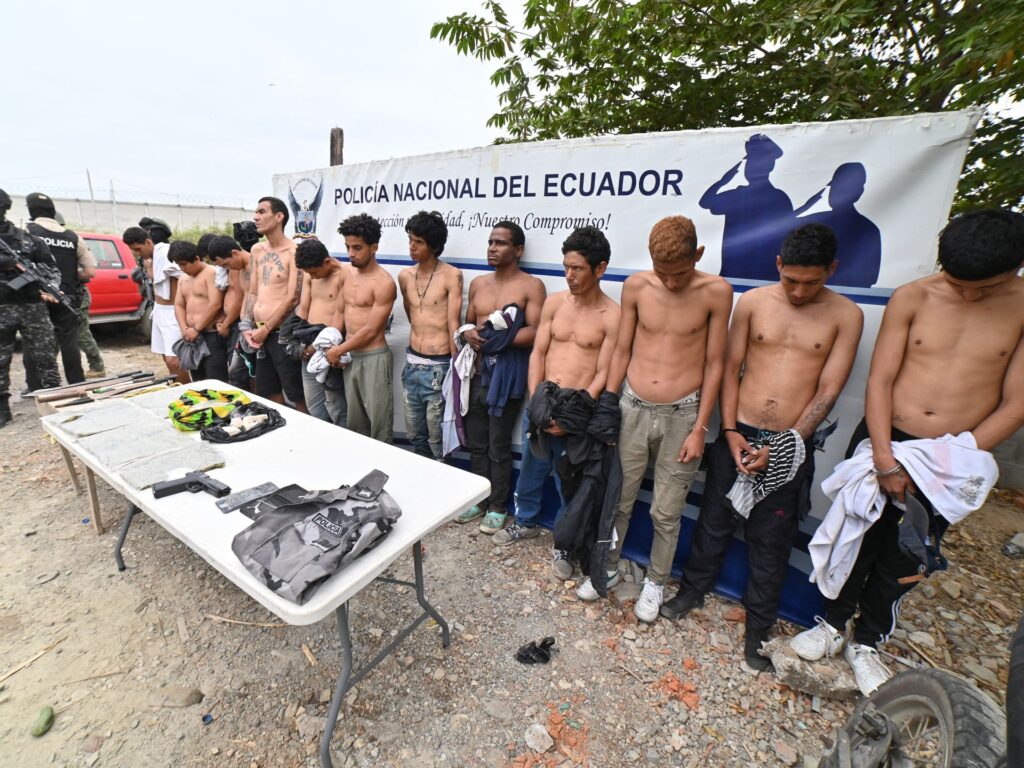
In a decisive move aimed at combating organized crime, the United States has officially designated the Chone Killers gang of Ecuador as a ‘terrorist’ organization. This designation reflects the growing concerns about the gang’s involvement in violent crime and its impact on regional stability.
The Chone Killers, originating from the city of Chone in Ecuador, have been linked to numerous criminal activities including drug trafficking, extortion, and violent attacks. Their actions have significantly contributed to the rise in violence and insecurity in various parts of Ecuador.
This US designation comes as a strong show of support for Ecuador’s President Daniel Noboa, who has recently intensified efforts to dismantle widespread gang networks throughout the country. President Noboa’s government has launched several aggressive campaigns targeting organized crime groups, aiming to restore safety and order for citizens.
Ecuadorian officials have praised the United States for backing these initiatives, highlighting the importance of international cooperation in tackling transnational crime. The US’s move to label the Chone Killers as terrorists allows for enhanced legal and financial measures to disrupt the gang’s operations, including freezing assets and imposing sanctions.
This partnership signals a new chapter in Ecuador’s fight against gang violence, with hopes to weaken the influence of criminal organizations and protect communities plagued by fear and violence.
The designation also sends a message to other criminal groups in the region that such activities will not be tolerated and will face international legal repercussions.
The United States government emphasized that this action aligns with broader efforts to promote security and stability in Latin America by supporting local governments in their fight against crime and terrorism.
President Noboa’s administration remains committed to rooting out corruption and dismantling criminal syndicates that undermine Ecuador’s progress and threaten its citizens.
While challenges persist, the cooperation between Ecuador and the United States is seen as a critical step toward reducing gang-related violence and fostering a safer environment.
The Chone Killers’ terrorist designation is expected to facilitate increased intelligence sharing and joint operations between Ecuadorian and US security forces, creating a more unified front against organized crime.
Communities affected by gang violence have expressed cautious optimism, hoping that this international backing will bring tangible improvements in safety and justice.
As Ecuador continues its campaign, the government encourages citizens to support law enforcement efforts and report criminal activities to aid in the nationwide crackdown.
This collaboration underscores the vital role of regional alliances in addressing complex security challenges that cross borders.
In conclusion, the US designation of Ecuador’s Chone Killers as a terrorist organization marks a pivotal development in the ongoing battle against gang violence. It exemplifies the importance of both national resolve and international partnerships in securing peace and justice for vulnerable populations in Ecuador and beyond.