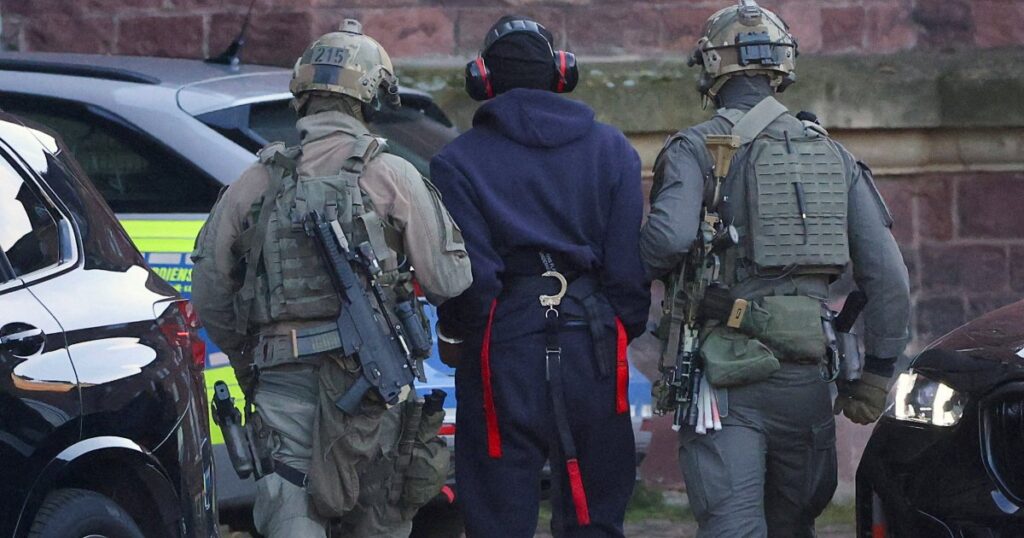
German prosecutors have officially charged a Ukrainian suspect in connection with the sabotage of the Nord Stream pipelines. The incident, which caused significant damage and international uproar, involved explosions on the underwater pipelines that supply Russian gas to Europe. Officials allege that a yacht was employed as a covert platform for the sabotage operation, with the Ukrainian suspect reportedly leading the mission from the vessel.
The Nord Stream pipeline system, a critical energy infrastructure linking Russia and Europe through the Baltic Sea, has been a focal point of geopolitical tensions amid the ongoing conflict in Ukraine and broader East-West relations. The explosions disrupted the flow of natural gas, causing economic and energy supply concerns across the continent.
Investigations revealed that the explosions were not accidental but deliberate acts of sabotage. German prosecutors have been working alongside international intelligence and maritime authorities to piece together evidence leading to those responsible. The yacht, used as a seaborne base, was instrumental in executing the underwater attacks that damaged multiple pipeline sections.
The suspect, whose identity remains under wraps due to legal protections, is believed to have played a commanding role in orchestrating the sabotage. Charges include destruction of critical infrastructure, endangering public safety, and potentially acts of terrorism.
This development has significant implications for international security and energy policies in Europe. It underscores vulnerabilities in critical infrastructure and the susceptibility of undersea facilities to covert attacks. European leaders are expected to intensify security measures and investigate further to prevent similar incidents.
The case is also likely to exacerbate diplomatic tensions between Russia, Ukraine, and the European Union. Russia has condemned the sabotage as an act of aggression, while Ukraine has denied involvement, emphasizing its stance as a victim of the broader conflict.
Legal proceedings are expected to continue as German authorities gather more evidence. The investigation highlights the complex interplay of energy security, geopolitical conflict, and clandestine operations in the current international landscape.
The Nord Stream incident has already shifted policy discussions towards greater energy independence and diversification for Europe, reducing reliance on Russian gas supplies. This new development adds urgency to those conversations.
In summary, the formal charges against a Ukrainian suspect mark a key moment in the investigation of the Nord Stream sabotage. It exposes the intersection of espionage, warfare, and energy geopolitics, with ongoing repercussions for Europe’s security and diplomatic relations.