The ongoing tension surrounding Israel’s military presence in Lebanon is increasingly being viewed as a critical factor that could undermine the US-Iran Memorandum of Understanding (MoU). Analysts note that while both the United States and Iran aim for the MoU to succeed, Israel’s continued actions in Lebanon present a significant challenge to this objective.
The US-Iran MoU, crafted to ease tensions and foster cooperation between the two nations, depends heavily on regional stability. Lebanon, sharing borders with both Israel and Syria, plays a key strategic role in the Middle East balance of power. Israel’s firm stance and operations within Lebanese territory have raised concerns about escalating conflicts that might derail diplomatic efforts.
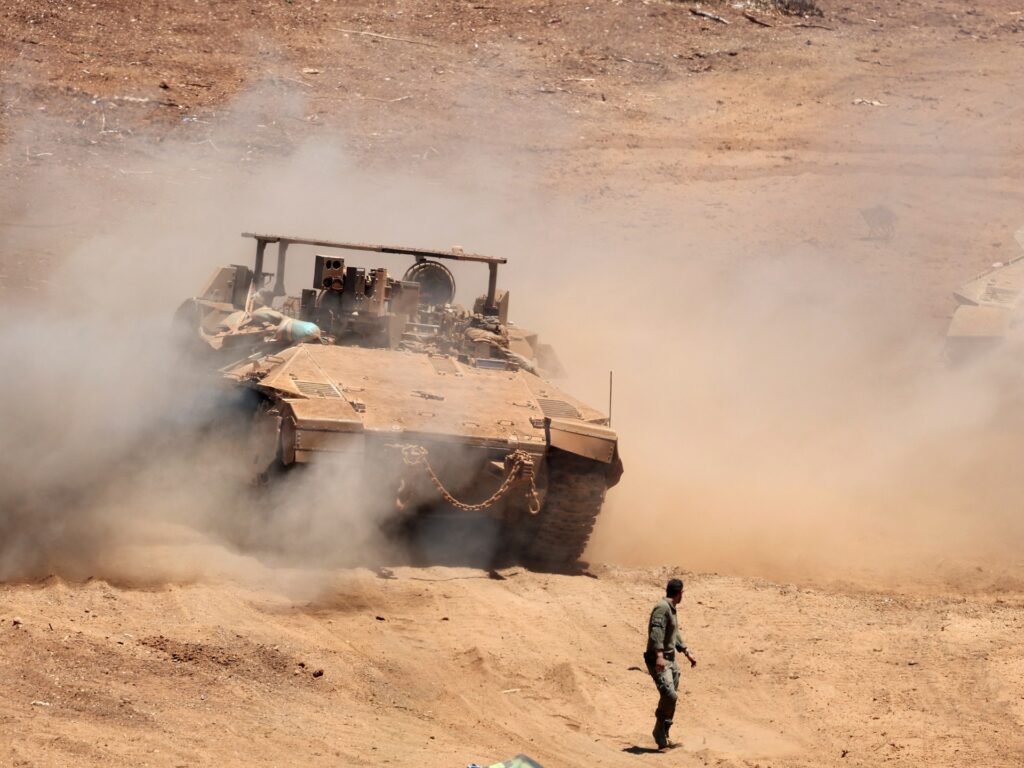
Israel insists it will maintain its security operations in Lebanon, citing concerns over attacks and the threat posed by Hezbollah and other militant groups purportedly backed by Iran. This unyielding position complicates the delicate negotiations surrounding the MoU, as it creates a hostile environment contrary to the spirit of peace the agreement seeks to promote.
Analysts argue that negotiations between the US and Iran require mutual trust and the reduction of proxy conflicts in the region. Israel’s military activities in Lebanon exacerbate tensions, fueling distrust and impeding progress. This situation could potentially lead to a wider regional conflict, undermining months of diplomatic efforts.
On the Iranian side, there is a recognition of the importance of diplomatic progress with the US to alleviate economic sanctions and improve global relations. However, Iran also demonstrates steadfast support for allies in Lebanon, particularly Hezbollah, viewing them as crucial to maintaining influence in the region.
The MoU’s future thus hinges on Israel’s willingness to reconsider its approach in Lebanon. Without de-escalation, the pathway to a successful MoU remains fraught with difficulties. Both Washington and Tehran face pressure from their respective regional allies and domestic audiences, complicating any potential compromises.
Experts highlight that achieving a breakthrough requires a balance of security and diplomacy. For Israel, this means acknowledging the broader implications of its actions in Lebanon while for the US and Iran, it involves managing expectations and encouraging restraint among their proxies.
In summary, Israel’s persistent military presence in Lebanon serves as a formidable obstacle to the success of the US-Iran MoU. While both global powers desire peaceful coexistence and cooperation, the realities on the ground in Lebanon challenge these aspirations. The coming months will be critical in determining whether diplomatic efforts can overcome these hurdles or if tensions will further escalate, jeopardizing regional stability and peace initiatives.