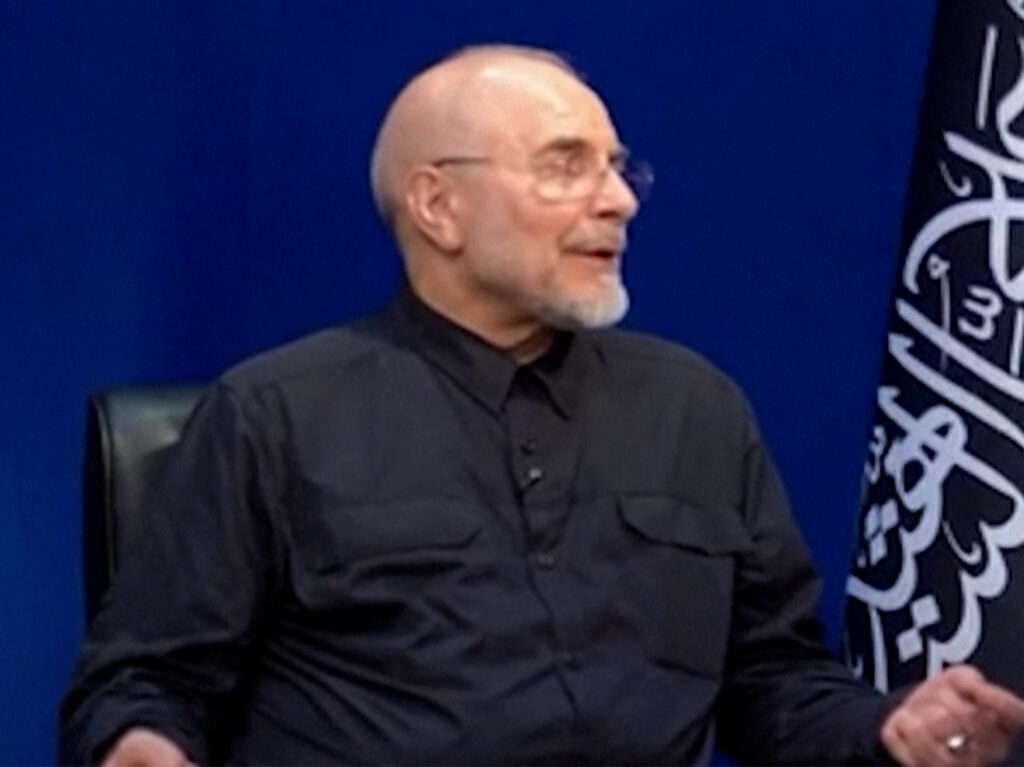
Iran has announced that it was unable to export a single barrel of oil during the period of the US blockade on its ports, according to statements made by the country’s chief negotiator. This blockade, implemented as part of escalating tensions and sanctions imposed by the United States, effectively cut off Iran’s access to crucial export markets and severely impacted its economy.
The US sanctions targeted Iran’s oil exports, a major revenue source for the country, aiming to pressure it to alter its nuclear and regional policies. The blockade involved stringent restrictions on shipping companies, insurers, and financial institutions to prevent them from engaging in trade with Iran’s oil sector.
Iran’s inability to export oil during this blockade underscores the effectiveness of the sanctions in disrupting the country’s oil industry. The chief negotiator highlighted that despite efforts to find alternative ways to sell oil, including smuggling and clandestine shipments, these measures did not result in significant exports during the blockade period.
The blockade has had significant ramifications not only on Iran’s economy but also on global oil markets. Iran, one of the world’s largest oil producers, has traditionally supplied significant quantities of crude to the global market. The sudden halt in exports contributed to fluctuations in global oil prices, creating uncertainty in energy markets.
Iran’s leadership has condemned the US blockade as illegal and unjust, accusing Washington of economic warfare. The country continues to seek diplomatic and economic countermeasures to mitigate the impact of sanctions.
International responses to the blockade have been mixed. Some countries have supported US efforts to pressure Iran, citing concerns over nuclear proliferation and regional security. Others have criticized the blockade, emphasizing the humanitarian impact and calling for a return to diplomatic negotiations.
The US blockade represents a broader strategy within its maximum pressure campaign aimed at compelling Iran to negotiate terms that align with Western interests. However, Iran’s steadfast resistance and claims of zero oil exports during the blockade reflect the ongoing stalemate.
Looking ahead, Iran’s position remains precarious as it navigates economic challenges compounded by limited export capabilities and ongoing international isolation. The blockade situation also brings to light the vulnerabilities of global supply chains dependent on Middle Eastern oil.
Analysts suggest that resolving the issues surrounding Iran’s oil exports would require complex negotiations involving multiple stakeholders, including regional players and international powers. The path forward likely hinges on diplomatic breakthroughs, with potential easing of sanctions if agreements are reached.
This period is a critical turning point in US-Iran relations, with significant implications for regional stability, global energy security, and international diplomatic efforts.