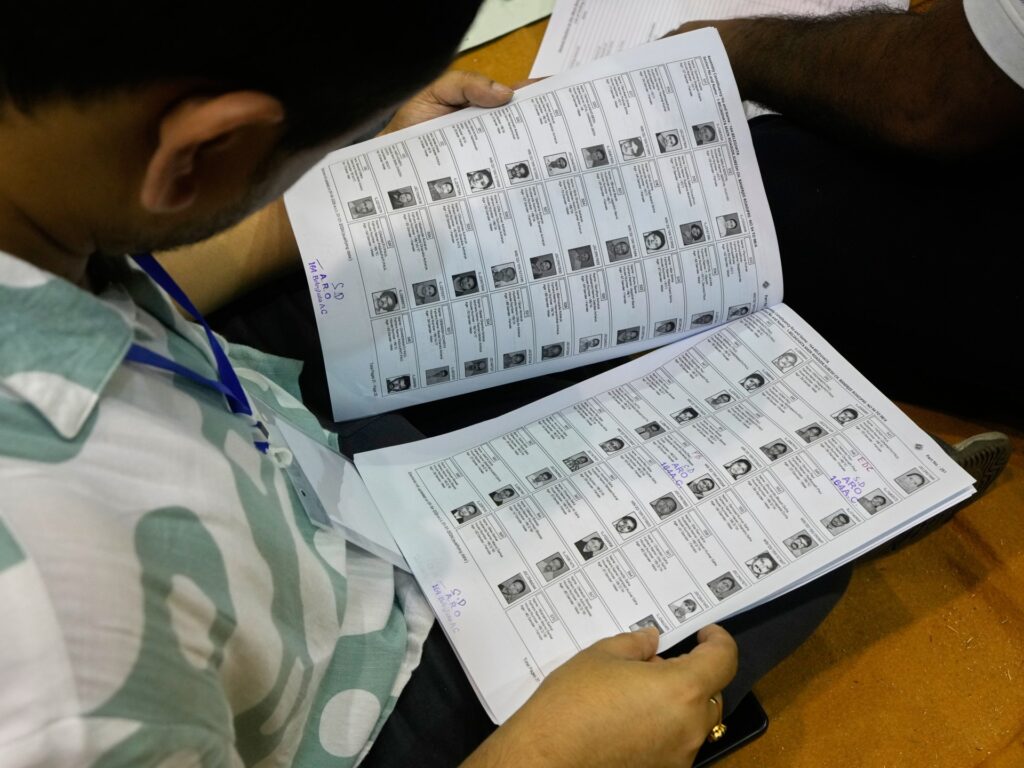
India’s West Bengal state is currently grappling with a significant controversy as millions of residents face potential loss of government welfare benefits linked to a contentious revision of the electoral rolls. The revision led to the removal of millions of names from the voter lists, sparking fears and protests over disenfranchisement and the broader implications for citizens’ access to state-provided aids.
The Bharatiya Janata Party (BJP), which has spearheaded campaigns to enforce stringent voter verification processes, argues that those removed from the rolls are not eligible for government welfare programs. The party’s stance has intensified the debate, highlighting the intersection of electoral policies and social welfare rights.
The electoral roll revision was officially justified by authorities as a necessary step to clean up and update voter lists, eliminating duplicate and fraudulent entries to ensure the integrity of upcoming elections. However, many critics, including opposition parties and civil rights activists, contend that the exercise disproportionately affected marginalized groups, including minorities and economically disadvantaged communities, who are now effectively disenfranchised.
The process involved extensive scrutiny of voter identification documents, with individuals who failed to meet the newly imposed criteria or could not provide sufficient documentation being struck off the lists. This exclusion has far-reaching consequences beyond voting rights; as voter identification often doubles as proof of residency and citizenship, those removed from the rolls are reportedly facing difficulties in accessing welfare schemes that require such proofs.
One critical issue is that government welfare benefits in Bengal, as in many parts of India, are tightly linked to formal identification and voter registration. This link means the removal from the electoral rolls can result in automatic disqualification from receiving subsidies, pensions, healthcare benefits, and other social programs designed to support vulnerable populations.
The BJP’s justification for denying aid to those deleted from the voter list is framed around maintaining the sanctity and fairness of welfare distribution, emphasizing that only verified residents should benefit from these programs. However, critics argue that this move effectively punishes individuals for administrative and procedural deficiencies, placing their fundamental socio-economic rights at risk.
Opposition parties have mobilized to challenge these actions, pointing out that millions of affected Bengal residents were legitimate voters who met existing requirements before the revision. They warn that the welfare impact could exacerbate poverty and social inequalities in one of India’s most populous states.
International human rights organizations have also expressed concern, urging the Indian government to reconsider policies that link electoral registration so rigidly with access to essential welfare benefits. They emphasize the need for inclusive democratic practices that safeguard the rights of all citizens, irrespective of bureaucratic setbacks.
Furthermore, there are legal challenges underway in courts questioning the fairness and legality of the voter roll revision as well as the subsequent exclusion from welfare schemes. These cases highlight the complexities inherent in balancing electoral integrity with inclusive social policies.
The situation in Bengal serves as a crucial example of the broader challenges India faces as it attempts to modernize and secure its democratic processes while ensuring that no segment of its vast population is left behind in accessing social welfare. The coming months are expected to see continued public debate and judicial scrutiny on these intertwined issues of democracy, administrative governance, and social justice.