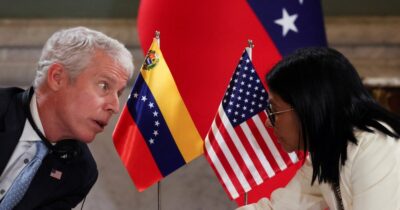
In the complex landscape of Middle Eastern geopolitics, the recent Memorandum of Understanding (MoU) between the United States and Iran represents a strategic step toward managing ongoing tensions rather than signaling an end to their protracted regional conflict. This document, crafted as a state-to-state framework, aims primarily to mitigate mutual pain points — such as economic sanctions, security threats, and diplomatic isolation — rather than to conclusively resolve the deeper disputes that have long defined US-Iran relations.
The MoU functions as a pragmatic approach by both nations. It recognizes the realities of continued diplomatic rifts and conflicts across the region, focusing instead on establishing mechanisms for conflict management and risk reduction. This framework helps prevent escalation and maintains channels for dialogue, which can be crucial in reducing unintended confrontations.
From Tehran’s perspective, the agreement provides a platform to ease economic hardships exacerbated by US sanctions, promoting stability within its borders. For Washington, the MoU serves to protect its strategic interests in the Middle East, curbing Iran’s regional influence while avoiding direct military conflict.
Experts note that while the MoU does not promise peace, it establishes important communication lines that could pave the way for future negotiations. It reflects a shift from outright confrontation to controlled engagement, acknowledging that a full resolution will require more comprehensive diplomatic efforts involving multiple stakeholders.
This approach underscores the complexity of international relations where immediate resolutions are often unattainable, and managing ongoing conflicts with calibrated agreements can be the most viable option. As such, the US-Iran MoU stands as a testament to realpolitik—prioritizing stability and risk management amid persistent discord.
Both nations continue to navigate their longstanding grievances and divergent interests cautiously. The MoU does not erase differences but creates a structured mechanism for coexistence in an unstable regional context. Moving forward, both sides will need to build on this initial framework with sustained diplomatic engagement and confidence-building measures.
In summary, the US-Iran MoU reflects a nuanced policy choice, managing pain without ending the war. It offers a necessary, if temporary, blueprint for coexistence, underscoring the intricate balance of power and diplomacy in today’s Middle East.