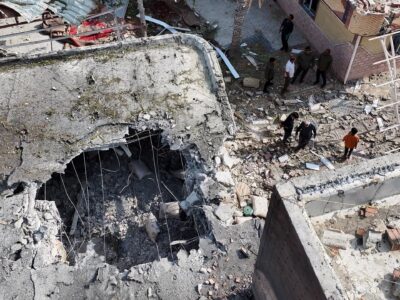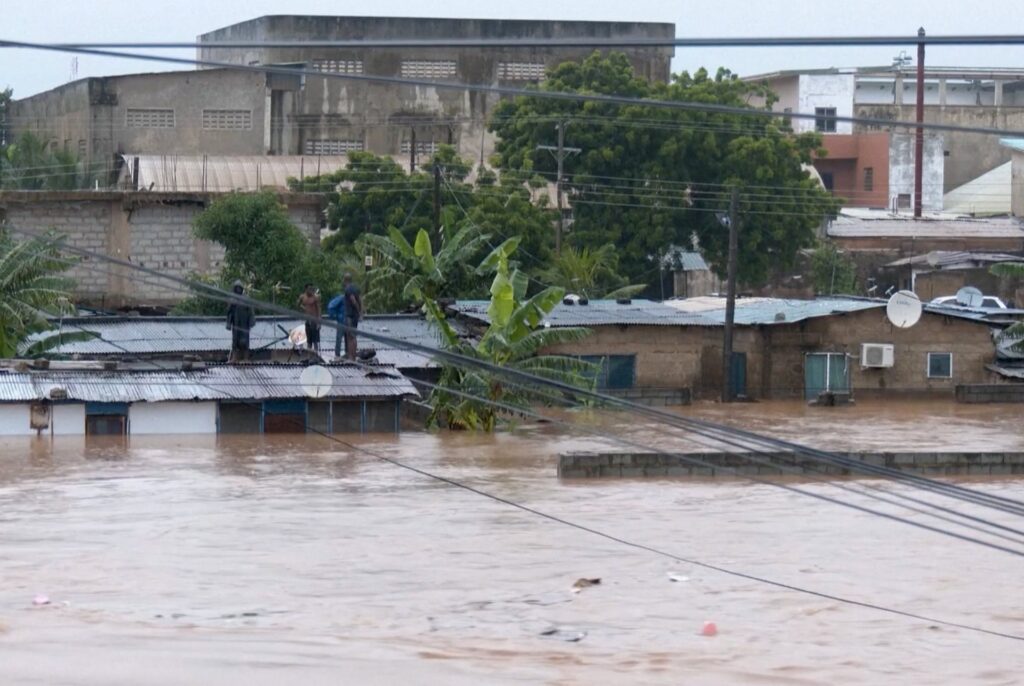
Accra, the bustling capital of Ghana, has been hit by a series of devastating events that have left residents stranded and in distress. A massive fire broke out at a rubber factory, engulfing the premises and causing widespread damage. At the same time, severe floods have inundated parts of the city, compounding the crisis and posing significant challenges to emergency responders and affected communities.
The fire at the rubber factory in Accra rapidly escalated, drawing fire brigades from across the city to contain the blaze. Despite their swift response, the fire destroyed large sections of the factory, causing not only economic losses but also raising concerns over air quality and public health due to the thick smoke and toxic fumes emitted.
Alongside the fire, torrential rains have led to severe flooding in various neighborhoods of Accra. Streets and homes have been submerged, leaving many residents trapped and unable to access essential services. The floods have disrupted traffic, hampered rescue efforts, and caused significant damage to infrastructure and property.
Authorities have urged residents to stay indoors and avoid flood-affected areas while emergency teams work tirelessly to manage the dual crises. Relief organizations and local government officials are coordinating efforts to provide shelter, food, and medical assistance to those displaced by the flooding and fire.
This calamity underscores the increasing vulnerability of urban centers like Accra to natural and man-made disasters. The convergence of industrial accidents and extreme weather events highlights the urgent need for improved disaster preparedness, urban planning, and response mechanisms.
Community leaders have called for more robust infrastructure and better drainage systems to mitigate future flooding risks. They emphasize the importance of fire safety regulations and regular inspections to prevent similar industrial accidents.
As Accra grapples with the aftermath of these events, the resilience and solidarity of its people remain evident. Volunteers have mobilized to assist affected families, and donations of supplies are pouring in from across the country.
The government has promised a thorough investigation into the cause of the fire and a comprehensive review of flood prevention strategies. Meanwhile, residents are cautiously optimistic but remain vigilant as emergency responders continue operations to restore safety and normalcy.
This dual disaster in Accra serves as a stark reminder of the challenges faced by rapidly growing cities in managing environmental hazards and industrial risks. It calls for coordinated action from all sectors to build safer, more resilient urban communities in Ghana and beyond.