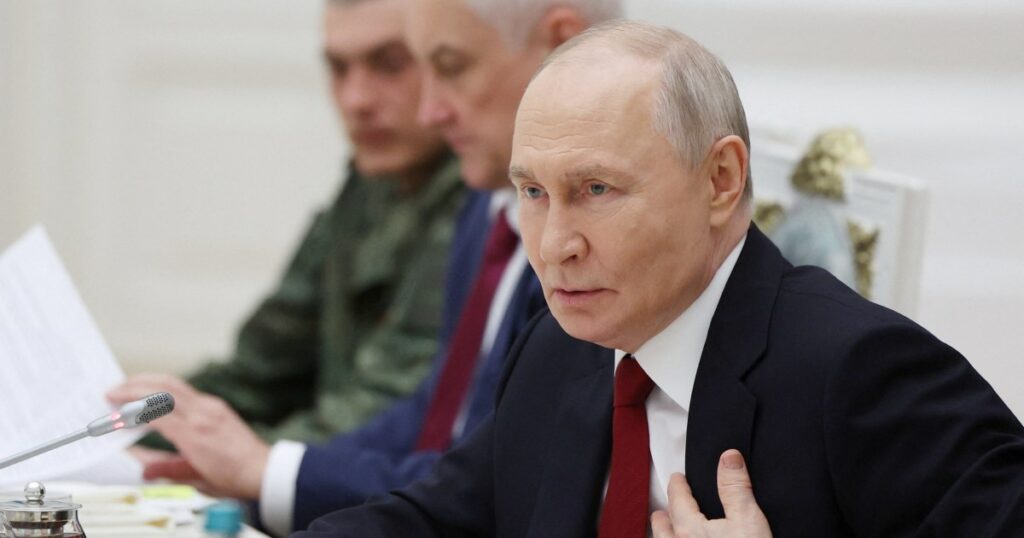
The ongoing Russia-Ukraine war has seen a significant development as Russian President Vladimir Putin has rejected proposed limits on long-range missile strikes. This decision comes amidst escalating tensions and increasing attacks on critical infrastructure, particularly in the energy sector.
Putin’s refusal to accept constraints on Russia’s military actions follows Ukraine’s recent escalation in offensive operations targeting Russian energy facilities. Ukrainian forces have intensified their efforts to disrupt Russia’s energy supply chains, aiming to weaken the country’s ability to sustain its military campaign.
According to Russian claims, the proposal to impose limits on long-range strikes originated from Ukraine. However, President Putin dismissed these negotiations, emphasizing Russia’s right to respond to threats and protect its national interests without restrictions.
The significance of long-range missile capabilities lies in their strategic value, enabling either side to strike targets far beyond the frontline, including vital infrastructure and logistical hubs. The absence of agreed limitations raises concerns about the potential for further devastation as both sides could intensify their missile campaigns.
Military analysts suggest that Ukraine’s proposal possibly aimed at preventing heavier Russian retaliation or managing escalation risks. However, Russia’s rejection is interpreted as a sign of determination to continue leveraging its long-range strike capabilities to suppress Ukrainian resistance effectively.
The energy sector attacks underscore the increasing vulnerability of critical infrastructure in modern warfare and the broader strategy of targeting economic and logistical capacities to influence the conflict outcomes.
International observers have expressed alarm over the expansion of missile strikes and the dismissal of limits, warning that this could prolong the conflict and increase civilian suffering.
Putin’s stance highlights the deepening complexity of the Russia-Ukraine war, where diplomatic efforts and military strategies interact amidst high stakes.
As the situation develops, the international community continues to monitor the impacts of these strategic decisions closely, hoping for a de-escalation but preparing for the possibility of intensified hostilities.