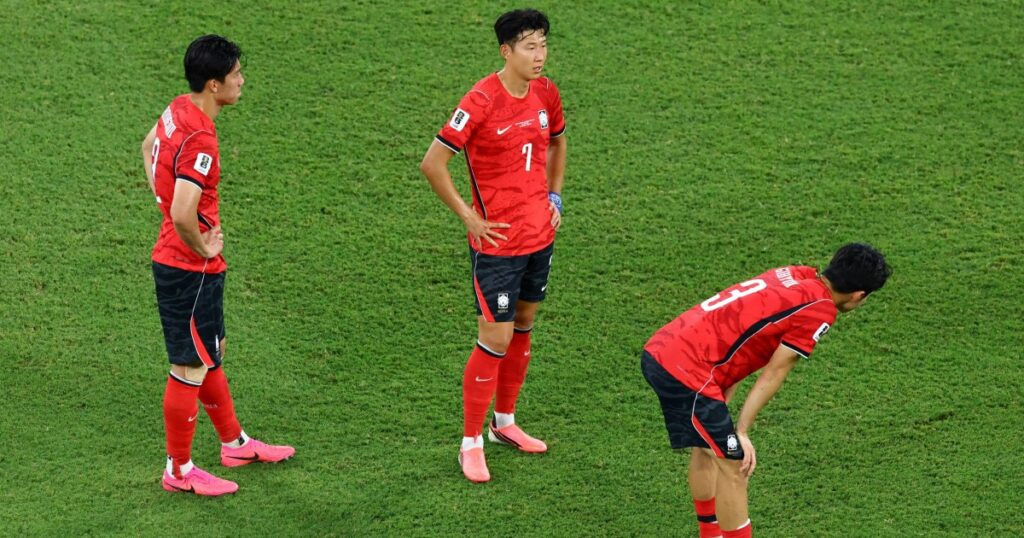
South Korea’s national football team faced a disappointing exit from the FIFA World Cup after failing to advance beyond the group stage. This outcome has stirred a wave of reactions throughout South Korea, ranging from government officials to former players and fans, all calling for significant changes within the football management and coaching staff.
Following the team’s early elimination, the head coach of the South Korean national team resigned, acknowledging the team’s underperformance and taking responsibility for the failure to progress beyond the group stage. This resignation marks a pivotal moment for the nation’s football community, emphasizing the urgent need for introspection and reform.
The response from South Korea’s president has been especially pronounced. He has called for an official investigation into the factors contributing to the team’s disappointing World Cup performance. The president’s demand for a thorough probe reflects the high level of national concern regarding the management of the team and the preparation leading up to and during the tournament.
Former South Korean football stars have also voiced their opinions, urging the football federation to reconsider its current strategies and leadership to build a stronger, more competitive team for future international competitions. The ex-players advocate for more robust development programs, better support for the athletes, and a comprehensive review of coaching methodologies.
Fans, passionate and deeply invested in the team’s success, have expressed their dissatisfaction through social media and public forums. There is a strong call among the supporters for transparency and accountability from the football association. Many fans believe that changes in team selection, coaching staff, and training regimes are necessary to restore South Korea’s standing on the global football stage.
The collective demand for change signifies a crucial moment for South Korean football. Stakeholders at every level are recognizing the need for reform to ensure the national team can compete successfully in future tournaments, including the next World Cup. The lessons from this year’s tournament are expected to drive policy adjustments, invigorate youth development programs, and restructure coaching strategies.
This national introspection is a sign of South Korea’s ambition to strengthen its football legacy and achieve better results on the world stage. The unity among the president, former players, and fans illustrates the widespread commitment to advancing South Korean football beyond the recent disappointment.
In conclusion, South Korea’s early World Cup exit has become a catalyst for change, spurring leaders and fans alike to demand a thorough examination of football practices in the country. The resignation of the coach, presidential intervention, and vocal public opinion collectively highlight the seriousness with which South Korea is approaching the future of its national team in pursuit of greater success and international recognition.