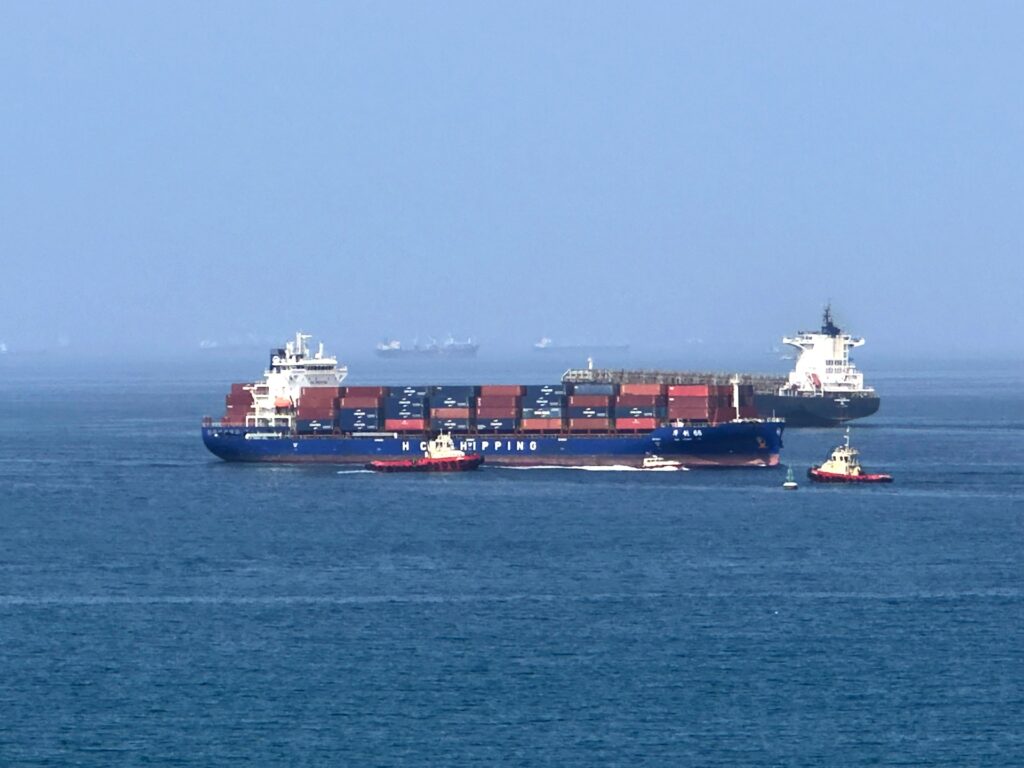
Tensions in the Middle East have escalated with Tehran reaffirming its determination to maintain control over the strategic Strait of Hormuz, a crucial chokepoint for global oil shipments. This insistence comes amidst reports that the United States and Iran have reached a tentative agreement to halt hostile actions and resume dialogue negotiations. According to Axios, talks are set to continue in Doha, Qatar’s capital, signaling a potential thaw in relations after a period marked by confrontations and uncertainty.
The Strait of Hormuz holds immense geopolitical significance, as nearly a fifth of the world’s oil transits through this narrow passage. Iran’s control over the strait has long been a point of international concern, given the impact any disruptions could have on global energy markets. Tehran’s assertiveness in maintaining control underscores its strategic priorities in the region.
In recent months, hostilities have occasionally flared, raising fears of wider conflict. The reported agreement to cease attacks reflects a mutual acknowledgment by both Washington and Tehran of the risks posed by continuous conflict. The renewal of talks in Doha represents a hopeful step towards easing tensions through diplomatic engagement.
Officials close to the negotiations have indicated that the conversations will focus on de-escalation measures, security assurances, and pathways for future cooperation. While specifics remain confidential, the willingness of both parties to engage signals a possible shift in dynamics.
International observers have been watching the developments closely, given the potential implications for regional stability and the global economy. A resolution to the conflict in this critical region could alleviate price volatility in oil markets and reduce risks of military confrontation.
The renewed diplomatic effort comes at a pivotal moment, with global powers seeking stability amid broader geopolitical challenges. The involvement of Qatar as a mediator highlights the importance of regional actors in facilitating dialogue.
Despite the optimistic tone of the reports, challenges remain. Deep-seated mistrust and past confrontations create hurdles for long-term peace. Nevertheless, this development offers a glimmer of hope that dialogue might pave the way for a reduction in hostilities.
As talks progress, stakeholders from around the world will be closely monitoring the situation in the Strait of Hormuz and the broader Middle East. The outcome of these engagements could shape the security landscape for years to come.
In summary, Iran’s firm stance on controlling the Strait of Hormuz, combined with a tentative agreement with the U.S. to halt attacks and revive talks in Doha, marks a critical juncture in efforts to manage a volatile flashpoint. While uncertainties persist, renewed diplomacy provides a cautiously optimistic outlook for de-escalation in a region vital to global commerce and security.