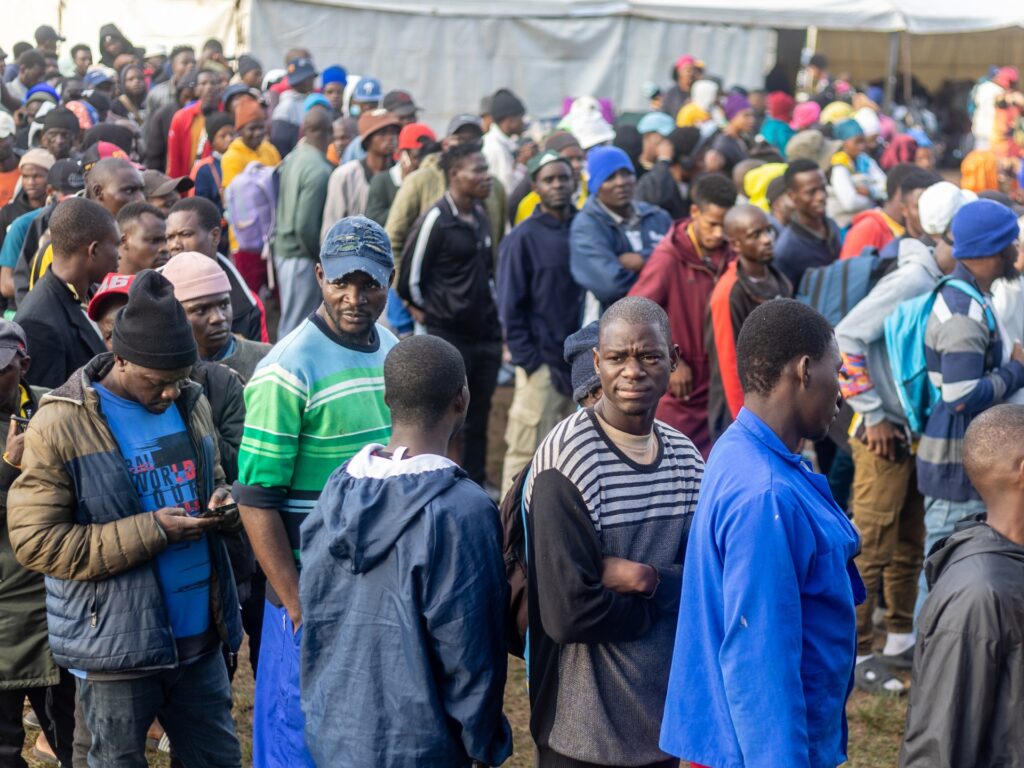
Recent unrest and violence in South Africa have triggered a significant exodus of Malawians returning home, shedding light on the harsh realities and costs of migration. Many Malawians, who initially moved to South Africa seeking better economic opportunities, now face broken livelihoods and threats to their safety amid the turmoil.
The situation began escalating with outbreaks of violence in parts of South Africa, leading to widespread insecurity for foreign nationals, including the Malawian community. As chaos ensued, many felt compelled to make the difficult choice to leave behind what little they had built and return to Malawi, despite uncertain prospects at home.
The phrase “If I am to die, let it be here” encapsulates the desperation felt by many migrants. The violence not only disrupted lives but also dismantled the fragile economic foundations that migrants had established. Many had hoped to earn enough to support their families back home, but instead, they found themselves victims of xenophobic attacks and looting.
This sudden mass return has put pressure on Malawi’s already stretched resources and infrastructure. Returning Malawians face challenges such as limited employment opportunities, lack of social support, and the psychological impact of displacement. The government and humanitarian organizations are mobilizing efforts to provide assistance, but the scale of the return presents ongoing complexities.
The crisis highlights broader issues related to migration from Malawi and other countries in the region. Migrants often leave due to poverty, unemployment, and lack of opportunities, only to encounter new forms of hardship abroad. This cycle of migration and return underscores the need for comprehensive strategies addressing both the root causes of migration and the protection of migrants’ rights.
Communities in Malawi are rallying to support returnees, but sustainable solutions require regional cooperation. Strengthening economic development in Malawi is essential to provide alternatives to migration. At the same time, South Africa and other host nations must work to ensure safety and dignity for foreign workers.
The story of Malawians fleeing violence in South Africa is a poignant reminder of the fragility of migrant livelihoods and the human cost of unrest. It calls for urgent attention from policymakers, civil society, and international actors to safeguard migrant communities and promote stability in the region.
Ultimately, the experiences of these migrants underscore a universal truth: safety and opportunity remain elusive for many, and the search for a better life can quickly turn into a struggle for survival. The hope now is that through concerted efforts, both the causes and consequences of such migrations can be effectively addressed, offering a more secure future for all involved.