Sudan’s ongoing conflict has recently escalated dramatically in the city of el-Obeid, revealing deep-seated challenges impeding peace efforts and highlighting the complex interplay of foreign interests and polarized narratives fueling the violence. The battle for control over the strategic city exposes how protracted warfare continues to ravage Sudan, with generals and leaders seemingly entrenched in a stalemate, akin to ‘digging with a needle’—efforts that make little progress while causing significant destruction.
El-Obeid, a pivotal urban center in Sudan, is at the heart of this brutal struggle. The city’s burning has become symbolic of the larger crisis—where military confrontations have devastated infrastructure, displaced thousands, and captured international attention. Despite calls for ceasefire and negotiations, the relentless fighting reveals a troubling reality: peace is stalling because key military figures and factions remain locked in power struggles, each bolstered by divergent foreign alliances chasing their strategic agendas.
Foreign arms supplies have played a critical role in intensifying the conflict. Various reports indicate an influx of weapons from different external sources, which has emboldened combatants to persist in their offensive campaigns with little incentive to compromise. This external involvement complicates efforts for mediation, as it amplifies divisions and prolongs hostilities, leaving civilians caught in a perilous limbo.
Narratives surrounding the war are heavily polarized, with both sides propagating contrasting versions of events that hinder reconciliation. This competing discourse not only fuels mistrust among local populations but also challenges international observers trying to piece together an objective understanding of the conflict. The dissonance in storytelling acts as another obstacle to peace, as it perpetuates grievances and inflames tensions.
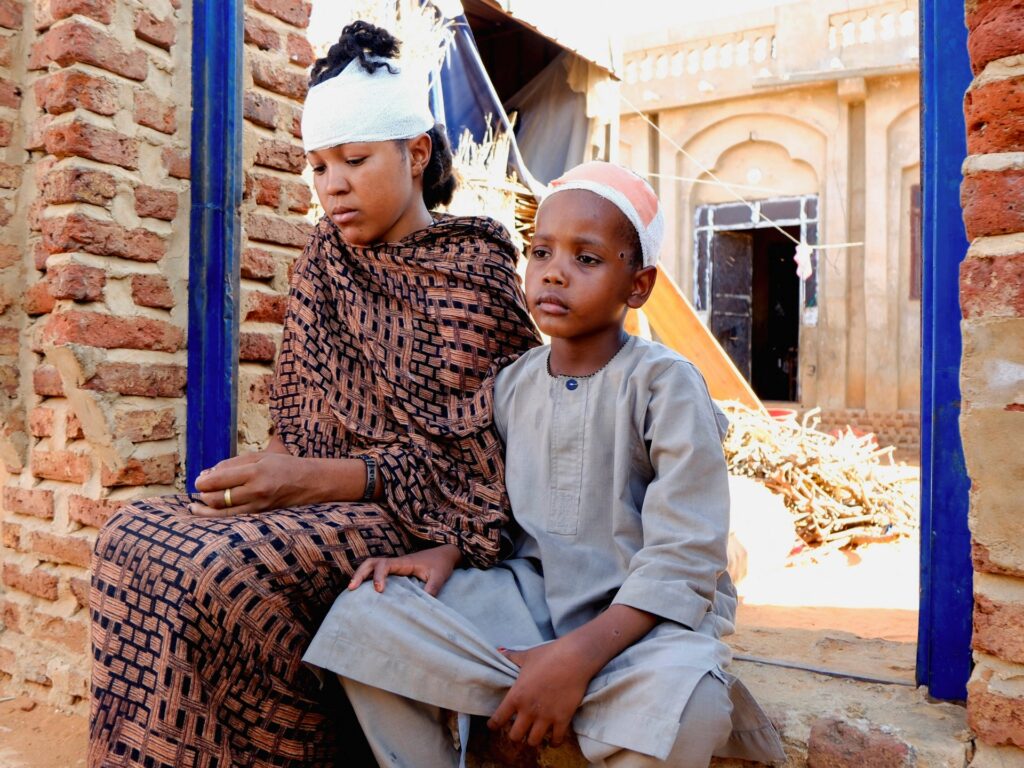
Humanitarian conditions in el-Obeid have deteriorated sharply amidst the fighting. Hospitals, schools, and essential services have been disrupted or destroyed, leaving many residents vulnerable. The displacement of communities has overwhelmed nearby areas and posed significant challenges for aid organizations attempting to deliver assistance.
Key takeaways from the crisis include the urgent need for genuine dialogue between conflict parties, the importance of curbing foreign military support to warring factions, and the critical role that international mediators must play in bridging divides. Without these elements, the metaphor of ‘digging with a needle’ aptly illustrates the frustrating and slow progress toward peace despite the high costs paid by civilians.
In conclusion, the battle for el-Obeid is more than a localized conflict; it is a reflection of the broader dynamics affecting Sudan’s path to peace. The entanglement of foreign arms, entrenched military interests, and fractured narratives must be addressed to prevent the continuation of this dire humanitarian and geopolitical crisis. International stakeholders and Sudanese leaders alike face a pressing imperative to forge a sustainable resolution before further devastation unfolds.