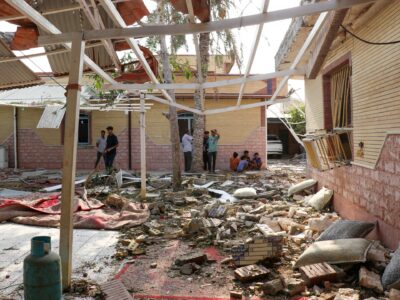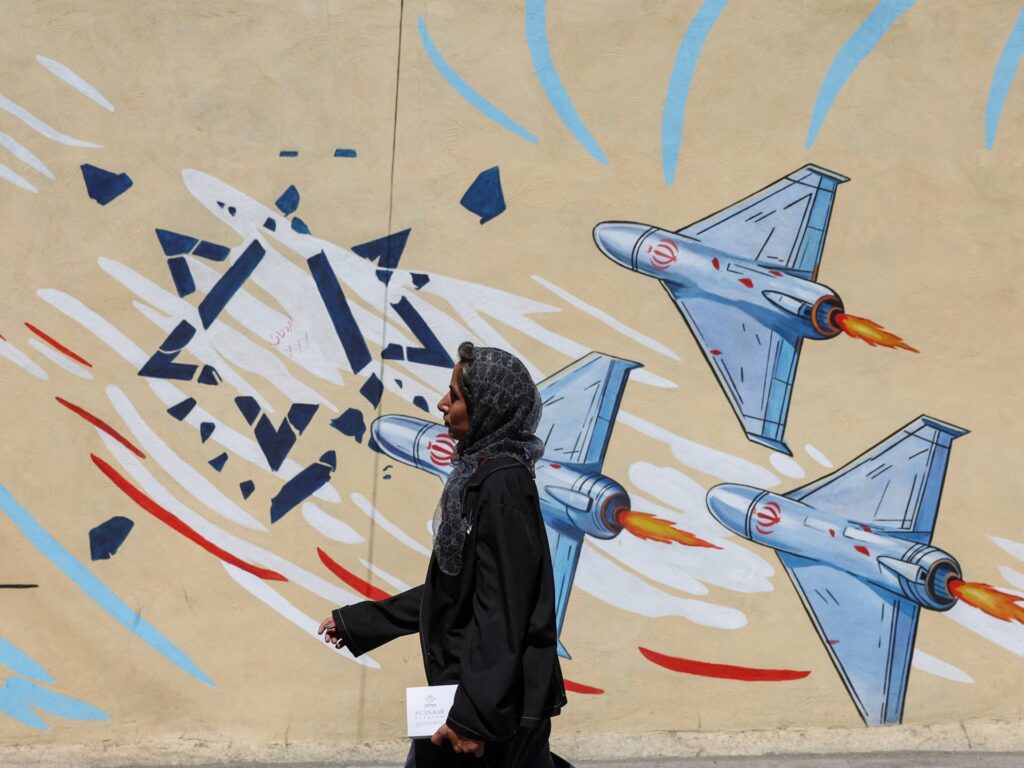
In a dramatic escalation of military tensions in the Gulf region, Tehran has launched attacks on Bahrain and Kuwait in retaliation to recent US airstrikes on Iranian territory. The United States attacked strategic locations on the Iranian coast, including Sirik and Qeshm Island, in response to alleged attacks on commercial shipping lanes.
The strikes by the US were portrayed by President Joe Biden as an effort to “militarily complete the job,” signaling a tougher stance on Iran’s activities perceived as threatening to regional and international maritime security. President Biden’s statement underscores the administration’s commitment to safeguarding freedom of navigation and protecting allied interests in the Gulf.
Iran’s retaliatory attacks on Bahrain and Kuwait mark a significant deterioration in regional stability, bringing fresh concerns about the potential for wider conflict. Both Bahrain and Kuwait have close security ties with the United States and are strategically important allies in the Persian Gulf.
The context for the surge in hostilities revolves around escalating incidents involving commercial vessels. The US attributes these attacks to Iranian-backed groups aiming to disrupt the flow of international trade and exert influence over critical maritime chokepoints.
The strikes on Sirik and Qeshm Island targeted military and infrastructural assets believed to be utilized by Iranian forces and militias involved in these maritime operations. These operations highlight the increasing strategic significance of Iran’s southern coastline as a theater of confrontation.
Following the US attacks, Tehran quickly responded by launching missile and drone attacks against US military assets and allied sites in Bahrain and Kuwait. These attacks are seen as a clear message of defiance and retaliation against US efforts to curb Iran’s regional ambitions.
International reaction has been swift, with calls for restraint and dialogue coming from the United Nations and several European countries. There is widespread concern that the conflict could spiral out of control, potentially drawing in other regional and global powers.
The security situation in the Gulf remains extremely volatile, with commercial shipping operations being disrupted and heightened alert levels reported among military forces in the region. This escalation threatens not only the immediate area but also international economic interests dependent on the uninterrupted flow of goods through the Strait of Hormuz.
Diplomatic efforts are likely to intensify in the coming days, aiming to de-escalate tensions and prevent further military confrontations. However, the firm statements from both Tehran and Washington suggest that a resolution may not be imminent.
This recent flare-up is part of a broader pattern of confrontation between the US and Iran, punctuated by sanctions, proxy conflicts, and cyber operations. The current crisis underscores the fragile balance of power in the Middle East and the high stakes involved in the ongoing struggle for influence.
Observers note that the region’s delicate geopolitics require careful management to avoid a full-scale war that would have devastating consequences for all parties involved, including global economic stability.
As the situation develops, attention is focused on any further military moves or diplomatic initiatives, with the world watching closely how this confrontation unfolds and whether it can be contained.