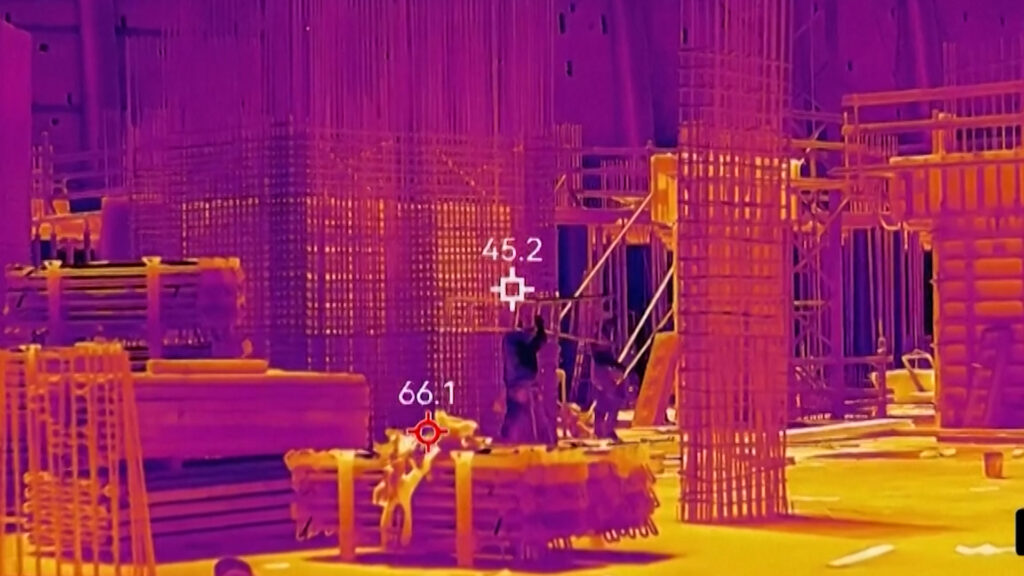
Recent investigations using thermal imaging technology have unveiled alarming levels of heat exposure faced by outdoor workers across Europe. With climate change driving rising temperatures and more frequent heatwaves, the findings highlight significant occupational health risks for those working outdoors.
Thermal cameras, which detect heat patterns invisible to the naked eye, were deployed across various European cities and rural areas to monitor temperature conditions experienced by outdoor employees. The images captured stark contrasts between exposed skin and the environment, revealing dangerously high heat absorption especially in urban heat islands.
Outdoor professions including construction workers, agricultural laborers, street vendors, and delivery personnel were studied. Thermal imaging showed that direct sunlight combined with reflective surfaces like concrete and asphalt substantially increased the surface temperature of workers’ skin and clothing. In some instances, surface temperatures reached levels far above ambient air temperature, indicating a heightened risk for heat-related illnesses such as heat exhaustion and heat stroke.
The study underscores the inadequacy of current protective measures and the need for updated guidelines to safeguard vulnerable employees. Despite regulations around heat stress, many outdoor workers lack access to sufficient shade, hydration, or rest breaks. Thermal imaging provides concrete evidence that could drive policy changes and workplace adaptations to mitigate heat risks.
Heat stress not only affects health but also decreases productivity and increases the likelihood of accidents due to heat-induced fatigue or cognitive impairment. The images produced by thermal cameras offer a powerful visual tool for awareness campaigns, training, and employer accountability.
Experts stress the importance of integrating thermal monitoring in occupational safety protocols. They recommend measures such as modifying work schedules to avoid peak heat hours, improving protective clothing with cooling technologies, increasing access to shade and water, and implementing real-time heat alert systems.
The findings come at a pivotal moment as Europe faces unprecedented summer temperature spikes. They highlight the intersection of climate change and workplace safety, calling for coordinated action from governments, industries, labor unions, and public health agencies.
Overall, thermal camera technology has proven instrumental in revealing the often unseen intensity of heat exposure endured by outdoor workers, opening pathways for enhanced protective strategies. As summer temperatures continue to climb, such innovations will be vital to preserving health and safety in the changing climate landscape.